A console table is one of the most versatile furniture investments you can introduce to a living room. Far more than just a surface to drop your keys or display a favorite lamp, the right console acts as a grounding design element that shapes the room’s overall flow and proportions. When curated with a professional eye, it bridges the gap between architectural emptiness and cluttered chaos, offering a streamlined stage for both decorative objects and functional storage.
However, selecting the ideal piece involves much more than simply picking a finish that matches your sofa. Spatial dimensions, traffic patterns, material longevity, and surface clearance all play vital roles in ensuring the piece feels intentional rather than like an afterthought. Understanding these foundational elements helps prevent common design pitfalls, allowing you to choose a console table that looks stunning and serves your daily routine seamlessly.
Mastering Proportions: Sizing Your Console Table

Getting the measurements right is the single most critical step in your search. A console table that is too tall will throw off sightlines, while one that is too narrow or short will look completely lost against a large living room wall. Interior designers rely on specific baseline measurements to ensure visual harmony, keeping scale balanced with surrounding seating and architectural features.
Standard console tables typically range from 30 to 36 inches in height, which usually aligns closely with the average armrest height of a standard sofa. If you plan to position the table directly behind your sofa, a good rule of thumb is to keep the table surface an inch or two lower than the back of the couch. This prevents awkward bumps and creates a clean, cohesive horizontal line when viewing the furniture arrangement from across the room.
Depth is another crucial metric, especially in compact living spaces or busy walking paths. Standard depth ranges from 12 to 18 inches. If your living room is on the smaller side, opt for a shallow 12-inch profile to maintain clear walking paths. When measuring length, aim for a table that spans roughly two-thirds to three-quarters the width of the wall it sits against, or the back of the sofa it accompanies, ensuring there is ample breathing room on either end.
Strategic Placement: Behind the Sofa Versus Against the Wall
Where you place your console table dictates both its function and its visual impact. The two most classic placements in a living room are floating behind a sofa or anchoring an empty wall. Each arrangement requires a slightly different approach to scale, stability, and everyday practicality.
Positioning a console table behind a floating sofa is a brilliant layout strategy for open-concept homes or large living rooms. It visually anchors the seating group when the back of the sofa faces the entryway or a dining area, while providing a convenient spot for task lighting or evening drinks. When executing this layout, verify that the table has a sturdy base and won’t wobble if someone leans against the sofa. Additionally, leave at least 30 to 36 inches of clearance between the table and any surrounding walls or large furniture pieces to preserve effortless traffic flow.
Placing a console table flat against a blank wall transforms an unused perimeter into a striking focal point. This configuration allows you to mount a piece of art or a large mirror directly above the surface, creating a classic vignette. In this scenario, you have more flexibility with depth because you do not have to worry about matching sofa heights. However, you should still consider anchoring tall or heavy pieces to the wall for safety, particularly in households with active children or pets.
Choosing Between Open-Frame Metal and Solid Wood Cabinet Styles
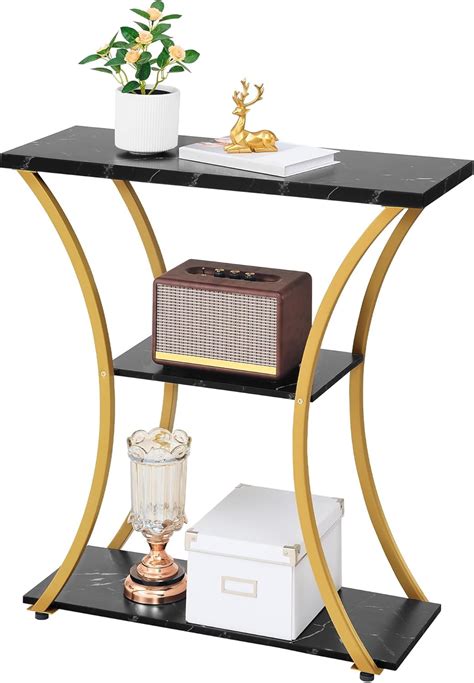
The material and structural build of your console table define its architectural presence. Open-frame designs featuring iron, brass, or brushed steel paired with glass or thin wood shelves offer an airy, lightweight aesthetic. These pieces are exceptional for small living rooms because they allow light to pass through uninterrupted, preventing the room from feeling heavy or overcrowded.
On the other hand, solid wood console tables with closed storage, drawers, or cabinet doors introduce warmth, texture, and practical concealment. If your living room tends to accumulate clutter like remotes, charging cords, and notebooks, a console with built-in drawers provides a discreet hiding spot. While solid wood pieces have a heavier visual footprint, they bring a sense of permanence and sophisticated craftsmanship that elevates traditional, transitional, and rustic interiors.
Balancing Aesthetics and Functionality: Storage Versus Display
Before purchasing, define the primary purpose of your console table. Is it meant purely for styling decorative objects, or does it need to work hard to store everyday household items? Clarifying this balance prevents you from buying a minimalist glass-topped table when you actually need enclosed cabinet space.
If your goal is pure display, look for designs with clean surfaces and perhaps an open lower shelf for stacking oversized art books or woven baskets. This keeps the visual weight low to the ground while leaving plenty of room to style the top surface. Conversely, if storage is your priority, look for multi-tier designs or console cabinets with divided interior shelving to keep your living room organized without sacrificing style.
Essential Styling Principles for Your Console Table
Styling a console table is an exercise in composition, scale, and negative space. Avoid the temptation to crowd every square inch with small trinkets, which quickly creates visual clutter. Instead, group items using the rule of threes, combining objects of varying heights, textures, and materials to create dynamic interest.
Start by anchoring one side of the table with a tall element, such as a sculptural table lamp or a striking ceramic vase with dried stems. Balance that height on the opposite side with a medium-height stack of coffee table books topped with a decorative bowl. Fill the central area with a lower, wider object or leave a pocket of breathing room to keep the arrangement from feeling stiff. If your table features an open lower shelf, use it to house a pair of large woven baskets for extra storage, or a neat stack of floor cushions ready for movie nights.
Frequently Asked Questions
How high and wide should a console table be for a living room?
A standard living room console table should be between 30 and 36 inches high. Its length should ideally span about two-thirds to three-quarters the width of the sofa or wall it accompanies, leaving proportional negative space on either side.
Where is the best place to position a console table in a living room?
The best placement depends on your floor plan. Placing it behind a floating sofa anchors the seating arrangement in open-concept spaces, while placing it against a blank wall creates a classic focal point with a mirror or wall art.
What is the difference between a sofa table and a console table?
While the terms are often used interchangeably, a true sofa table is specifically designed to match or sit slightly lower than the back height of a sofa. Console tables can refer to any narrow table, including those meant strictly for wall placement.
How can I style a console table without it looking cluttered?
Avoid covering the entire surface with small items. Use the rule of threes, vary the heights of your decorative pieces, combine different textures like wood, glass, and metal, and always leave some negative space open.


