Finding adequate storage in modern American homes often feels like a daily puzzle. Whether you live in a suburban house with sprawling drywall corridors or a compact urban apartment with strict lease agreements, vertical space remains your greatest untapped asset. Relying solely on floor-standing furniture can quickly crowd a room, making spaces feel smaller than they actually are. Embracing custom shelving lets you reclaim unused walls while displaying personal mementos, books, and daily essentials with intentional style.
Creating your own storage structures does not require a professional woodshop or decades of carpentry experience. Many accessible projects utilize pre-cut lumber, standard metal brackets, and basic household tools that most people already own. By understanding standard American construction principles—such as wall stud spacing and drywall anchor limits—you can execute these projects safely and securely. The following approaches outline how to select, build, and mount shelves that match your lifestyle and interior design vision.
Living Room and Accent Wall Solutions
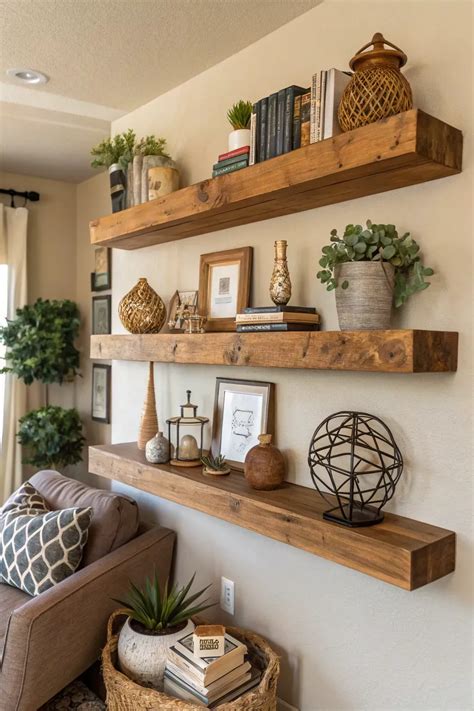
The living room often serves as the visual centerpiece of the home, making it the ideal location to showcase statement shelving. Floating wooden shelves mounted above a sofa or media console create an instant focal point without interrupting floor traffic. When planning an accent wall, consider mixing different lengths of reclaimed or pine boards to achieve a balanced, asymmetrical look that feels curated rather than clinical.
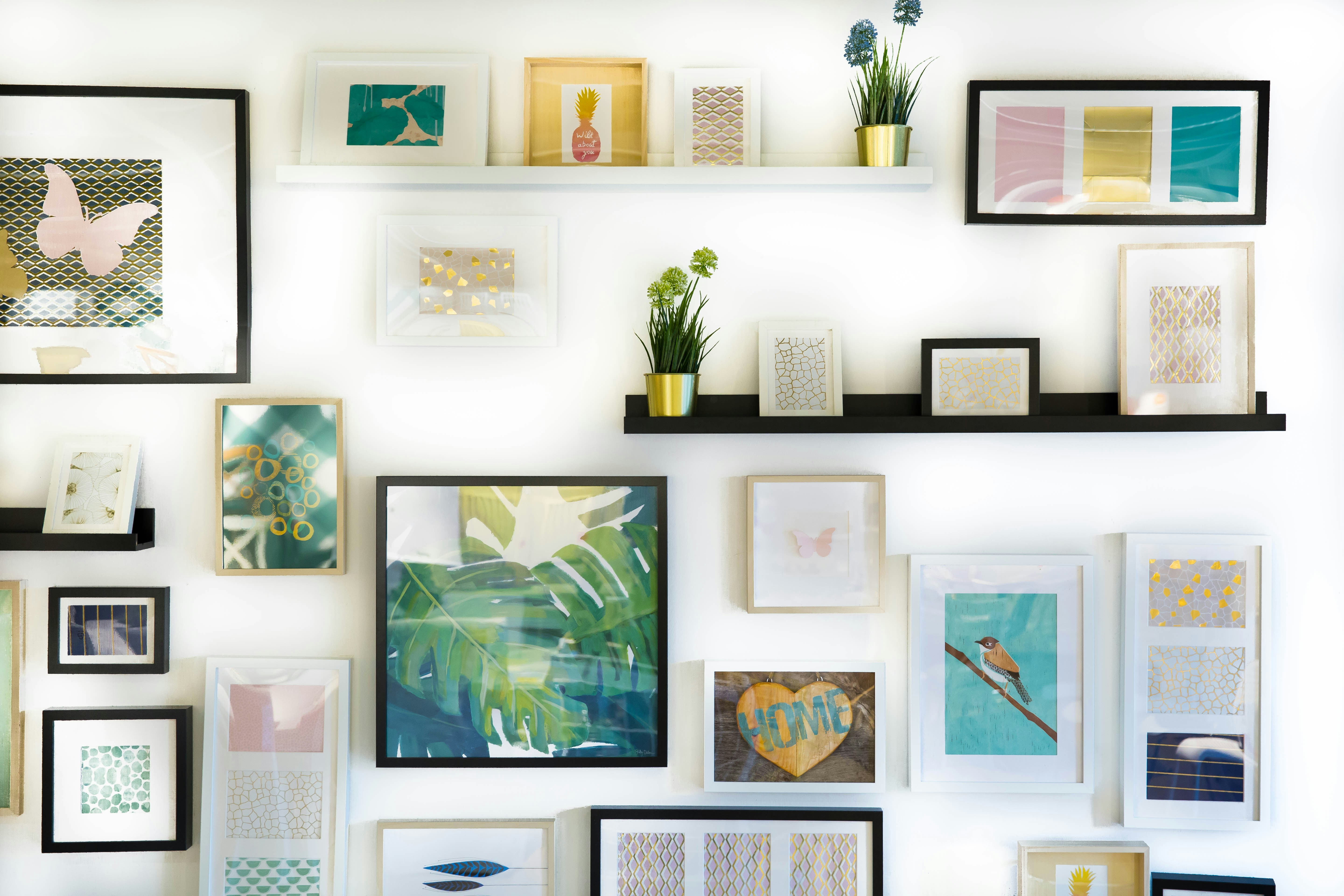
When anchoring shelves into standard American drywall, locating the wooden framing studs spaced sixteen inches apart provides the ultimate weight capacity for heavy book collections or ceramic decor. If your preferred layout places a bracket between studs, heavy-duty toggle bolts or threaded drywall anchors are essential to prevent sagging over time. Always verify your shelf level with a standard bubble tool before driving final screws, as even a slight visual tilt becomes immediately noticeable against linear baseboards or window frames.
Selecting Finishes for Modern U.S. Interiors
Choosing the right stain or paint finish ensures your DIY creation complements existing furniture and flooring trends. Natural oak and walnut tones bring warmth to neutral grey or bright white walls, while matte black brackets offer an industrial edge. Sanding raw lumber with fine-grit sandpaper before applying a protective polyurethane coat prevents splintering and yields a smooth, professional touch.
If you prefer a painted aesthetic, priming the wood surfaces first guarantees even color absorption and prevents resin bleed-through from knots in pine boards. Testing a small swatch on the underside of the shelf before final assembly lets you check how natural sunlight shifts the color tone throughout different times of the day.
Kitchen and Pantry Space Maximizers
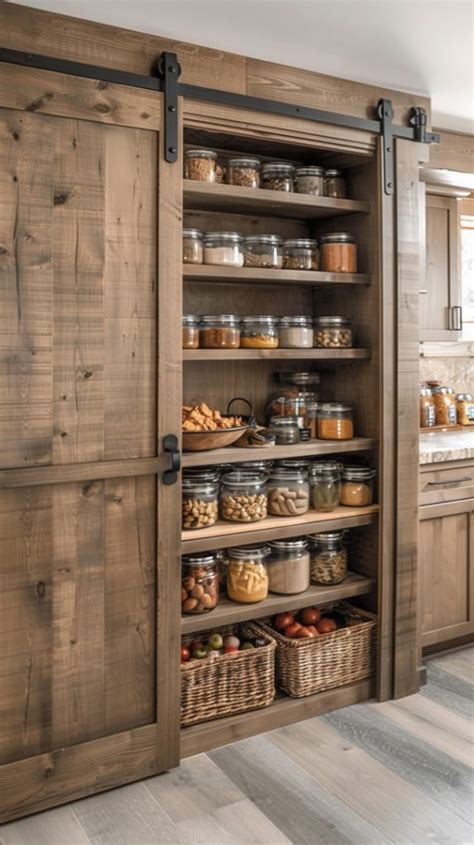
Kitchens and pantries frequently suffer from awkward vertical gaps, especially inside deep cabinets or narrow wall spaces next to the refrigerator. Installing narrow spice ledges or heavy-duty open shelving near prep zones keeps everyday cooking oils, jars, and dishware within arm’s reach. This approach not only frees up crowded countertop surfaces but also introduces an organic, lived-in texture that softens sleek modern cabinetry.
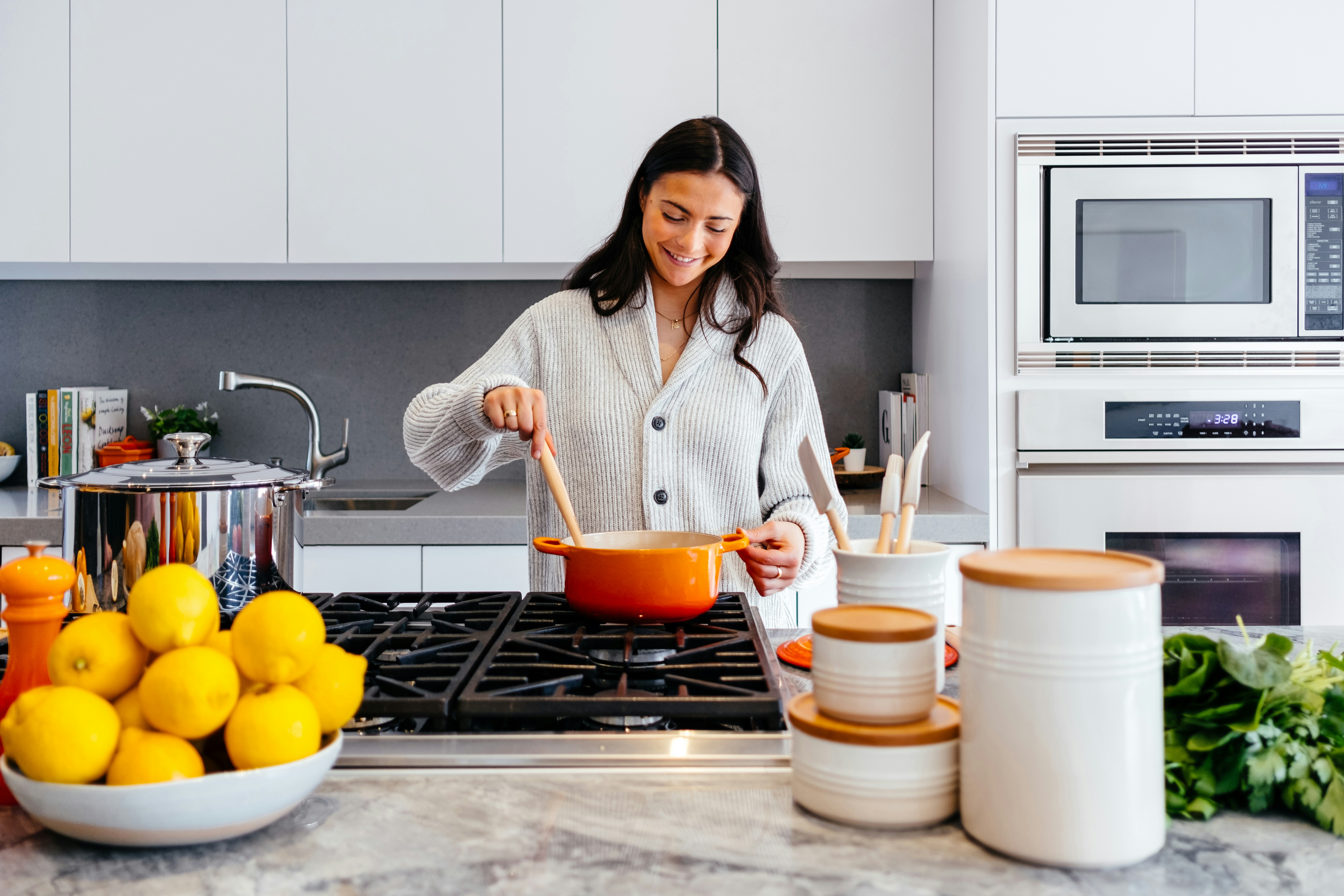
When designing shelves for high-moisture culinary spaces, selecting moisture-resistant wood species like teak, sealed maple, or properly treated plywood prevents warping and water damage. Ensure that any brackets used in food preparation zones can support substantial weight, as stacked ceramic plates and cast-iron skillets quickly accumulate heavy loads. Regular wiping with a damp cloth maintains the finish without degrading the protective sealant coat.
Renter-Friendly and Temporary Shelving Options
Renters face unique challenges when attempting to organize living spaces, as traditional drilling leaves permanent holes that risk security deposits. Fortunately, modern home decor innovations offer renter-friendly alternatives such as tension-rod shelving units, over-the-door hanging racks, and damage-free adhesive hanging systems designed for lightweight decor. These temporary solutions allow you to customize your layout and take your organizational units with you when relocating to a new property.
For those who desire the look of floating shelves without drilling into apartment drywall, leaning ladder shelves provide an excellent freestanding compromise. Securing these units with removable museum putty or anti-tip wall straps ensures stability while minimizing wall surface impact. Balancing storage baskets on lower rungs anchors the entire structure safely, creating practical vertical storage that respects your lease agreement.
Frequently Asked Questions
What are the best beginner-friendly materials for DIY shelves?
Pre-cut pine boards, MDF, and project panels purchased from local home improvement centers are ideal for beginners because they require minimal cutting and sanding.
How do I know if my wall can support heavy books on DIY shelves?
Always anchor your shelf brackets directly into wooden wall studs using sturdy screws. If studs are unavailable, use rated drywall anchors matching the anticipated weight.
Can renters install shelves without losing their security deposit?
Yes, renters can utilize tension shelves, freestanding ladder bookcases, or heavy-duty adhesive strips designed for temporary mounting without causing permanent wall damage.
What is the standard height to mount living room wall shelves?
Living room accent shelves are typically mounted at eye level, roughly 60 to 65 inches from the floor, or about 8 to 10 inches above living room furniture.


