Furnishing a compact living room in an American apartment or starter home often feels like playing an intricate game of Tetris. When floor space is limited, every single square inch matters, and choosing the wrong sofa or bulky coffee table can instantly make the entire room feel cramped and chaotic. However, having a small footprint does not mean you have to sacrifice style, comfort, or functionality. By carefully evaluating your room dimensions and selecting versatile pieces, you can turn a challenging layout into an inviting, character-filled gathering space.
Retailers like Bob’s Discount Furniture offer a wide range of affordable sectionals, loveseats, and accent pieces designed with smaller floor plans in mind. When shopping on a budget, the key is to look beyond individual items and visualize how they will interact within your specific room boundaries. Strategic planning helps you avoid common pitfalls, such as blocking natural walkways or overwhelming your walls with oversized furniture. Let us explore actionable strategies to maximize charm and comfort in your compact U.S. living room.
Choosing Scale-Appropriate Seating: Compact Sectionals and Loveseats
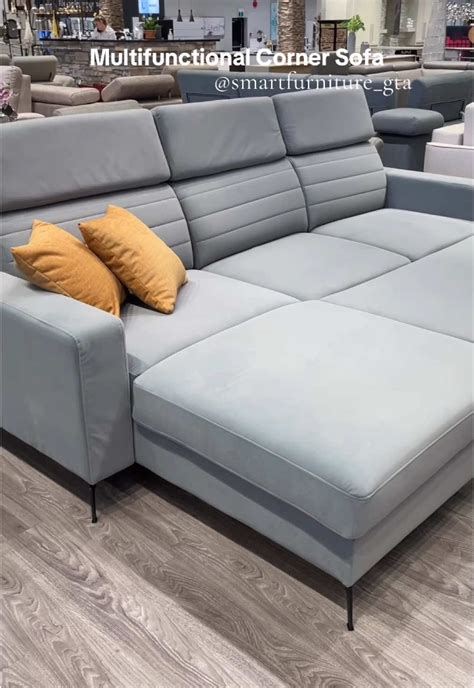
The biggest mistake people make in a small living room is buying furniture that is simply too massive for the space. A sprawling traditional sofa might look inviting in a massive showroom, but once placed inside a typical urban apartment or suburban starter home, it can swallow the entire room. Instead, look toward scale-appropriate seating options that offer generous lounging space without dominating the floor plan.
Compact sectionals with reversible chaises are a brilliant solution for tight spaces because they provide the lounging comfort of a large sectional while allowing you to configure the chaise side to fit your room’s layout. Alternatively, pairing a streamlined loveseat with a cozy accent chair creates an open, conversational arrangement. When browsing collections at Bob’s Discount Furniture, pay close attention to arm styles and leg height. Sofas with exposed, slender wooden or metal legs create an airy illusion by allowing light to pass underneath, making the room feel noticeably larger and less cluttered.
Embracing Multifunctional Furniture for Maximum Utility
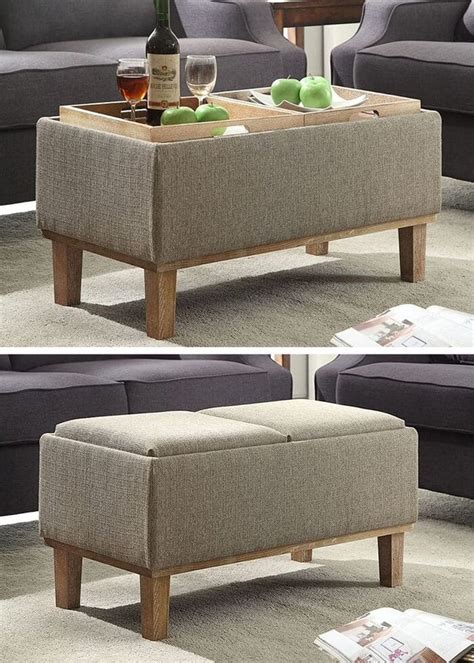
In smaller homes, furniture needs to work double-duty. When every square foot counts, single-purpose items can quickly lead to clutter and wasted potential. Integrating multifunctional furniture allows you to maintain a clean, minimalist aesthetic while concealing everyday items like extra throw blankets, board games, or electronic accessories.
Consider swapping a traditional coffee table for an upholstered storage ottoman. Not only does it provide a soft surface to prop up your feet after a long day or hold a serving tray for movie night, but lifting the lid reveals a generous compartment to stash clutter out of sight. Sleeper sofas or futons are another fantastic investment for multi-use rooms, easily transforming a cozy den or living area into a comfortable guest room for visiting family and friends without requiring a dedicated spare bedroom.
Smart Layout Tricks to Optimize Traffic Flow
How you arrange your furniture is just as important as the pieces you purchase. In a narrow or small living room, pushing every piece of furniture flat against the walls is a common reflex, but it can actually make the space feel stiff and uninspired. Instead, creating intentional floating zones or angling key pieces can dramatically improve the room’s rhythm and functionality.
Begin by identifying your room’s primary focal point, whether that is a television, a fireplace, or a large window with a view. Anchor your main seating arrangement around that focal point while ensuring there is at least a clear three-foot walking path to adjacent rooms or hallways. If your living room doubles as an entryway, use a slim console table behind the sofa to drop keys and mail without encroaching on your main sitting area.
Enhancing Light and Perception of Space
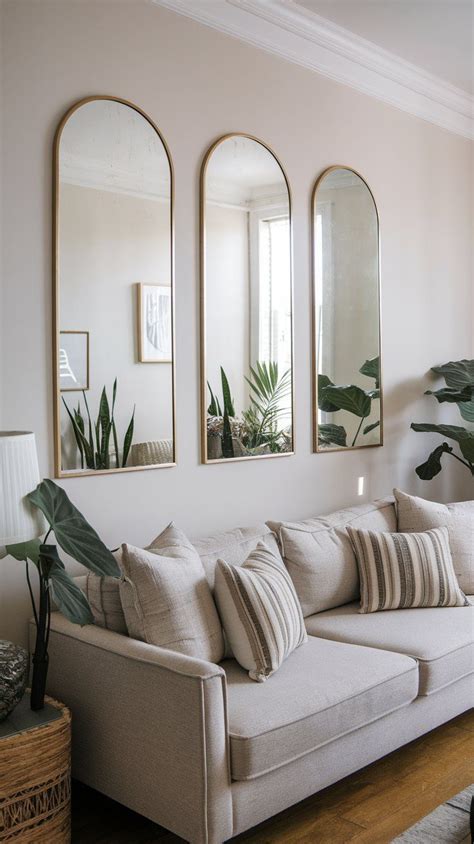
Natural light is a powerful design tool that can visually expand even the coziest living room. If your space lacks expansive windows, you can artificially mimic an open, airy atmosphere through clever placement of mirrors and thoughtful lighting layers. Avoid heavy, opaque window treatments that block sunlight; instead, opt for sheer linen curtains hung high and wide near the ceiling line to draw the eye upward and make your windows appear larger.
Strategically hanging a large decorative mirror directly opposite a window will reflect natural sunlight back into the room, instantly doubling the brightness and adding depth to blank walls. Supplement your overhead lighting with a mix of floor lamps and table lamps rather than relying on a single harsh overhead fixture. Layered, warm lighting creates cozy pools of illumination that soften corners and make the entire room feel intimate and welcoming.
Injecting Personality with Affordable Accessories
Once your functional furniture and layout are locked in, the final step is layering in your personal style. Small spaces actually benefit greatly from thoughtful accessorizing because textures, colors, and personal mementos prevent the room from feeling sterile or generic. However, restraint is crucial; aim for a curated look rather than a crowded collection of trinkets.
Incorporate a plush area rug to visually anchor your seating group and add tactile warmth underfoot, especially if your rental features cold laminate or basic carpet. Introduce pops of color and pattern through affordable throw pillows and seasonal blankets that can be easily swapped out as your tastes change. By keeping your foundational furniture neutral and adding personality through movable accents, you can effortlessly refresh your small living room whenever inspiration strikes.
Frequently Asked Questions
What kind of furniture fits best in a small living room?
Furniture with a low profile, exposed legs, and smaller overall dimensions works best. Look for apartment-sized sofas, compact sectionals with reversible chaises, and multifunctional items like storage ottomans or nesting coffee tables that save floor space.
How can I arrange furniture in a narrow living room?
Avoid pushing all furniture against the walls. Instead, float your main seating slightly inward, keep major walkways unobstructed, and use rectangular or oval coffee tables that leave ample clearance for comfortable movement.
How do I make a small living room feel cozy instead of cluttered?
Focus on a neutral base palette, utilize vertical storage like floating shelves, and invest in hidden storage furniture to keep everyday items out of sight. Layer textures like knit blankets and woven rugs to build warmth without adding physical clutter.
Are budget-friendly furniture options durable enough for daily use?
Yes, many affordable brands construct pieces using sturdy engineered wood frames, high-density foam cushions, and durable, stain-resistant fabrics designed to withstand everyday wear and tear in active households.


