Designing a compact living room in a typical American apartment often presents unique layout challenges, ranging from awkward architectural angles to strict landlord leasing rules. Whether you are searching for renter-friendly updates that leave walls pristine or permanent homeowner upgrades that optimize every square inch, thoughtful planning is essential. Making a small space feel intentional rather than cramped relies on balancing visual openness with clever multi-functional storage solutions.
By prioritizing scale, light, and vertical storage, you can completely redefine how your living area functions daily. The following collection of 31 clever layout strategies and design hacks will help you transform your compact US living room into a comfortable, stylish sanctuary without requiring a complete structural overhaul.
Smart Furniture Choices for Compact Layouts
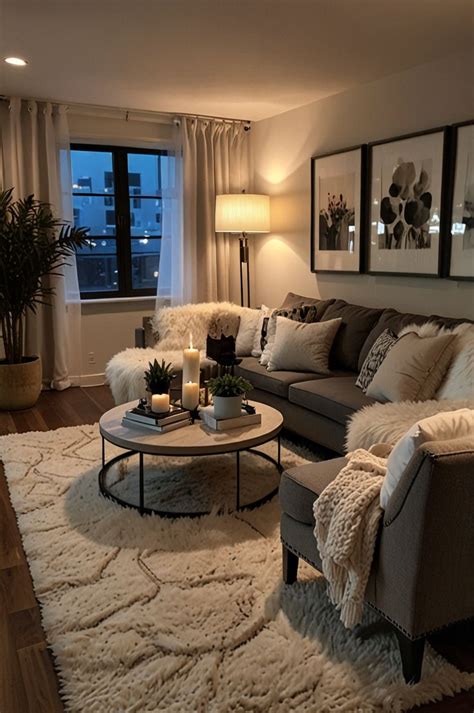
Choosing the right furniture pieces is the foundation of any successful small-room design strategy. Bulky traditional sofas and oversized coffee tables can easily overwhelm standard apartment dimensions, restricting natural movement patterns throughout the room. When shopping for a compact layout, every single item must justify its footprint by offering mobility, hidden storage, or a lightweight visual profile that keeps the floor plane feeling open.
1. Floating Sofas: Keep furniture legs visible by selecting sofas with raised profiles to create an airy under-space that tricks the eye into perceiving a larger floor area. When you can see the flooring extend underneath the sofa frame, the boundary of the furniture dissolves, preventing the room from feeling blocked off.
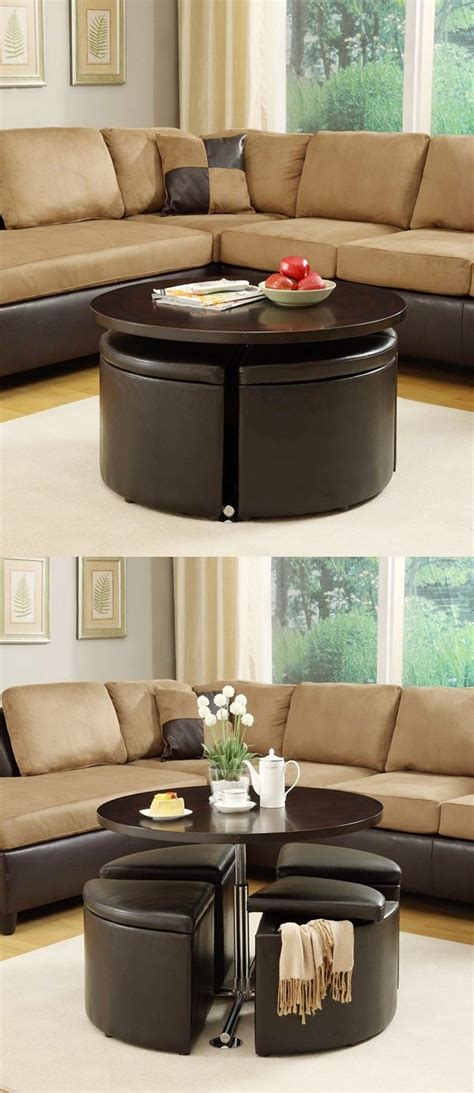
2. Nesting Coffee Tables: Swap a heavy center table for modular nesting tables that can be pulled apart when entertaining guests and tucked away neatly afterward. This flexibility allows you to expand your surface area on movie nights and reclaim an open walkway during daily routines.
3. Storage Ottomans: Utilize multi-functional ottomans to hide extra throw blankets and board games while serving as additional seating or footrests. Choosing a fabric-upholstered ottoman also softens the hard edges often found in smaller rooms.
4. Acrylic Ghost Chairs: Incorporate transparent acrylic or lucite accent chairs that visually occupy zero space while offering functional seating. Because light passes straight through them, they provide a seat at the conversation area without creating visual heaviness.
5. Drop-Leaf Console Tables: Position a slim console against the wall that easily expands into a workspace or dining surface when needed. This approach eliminates the need for a dedicated bulky desk that would otherwise crowd your seating area.
6. Armless Seating: Choose armless accent chairs to maintain clean sightlines across the room and prevent visual clutter near windows. Without arms taking up extra inches, these chairs look sleek and fit comfortably into tighter corners.
7. Built-In Bench Seating: For homeowners, custom window benches with internal storage maximize awkward wall niches effectively. Building seating into a dead corner turns wasted space into a cozy reading nook complete with hidden storage bins.
Vertical Storage and Wall Utilization
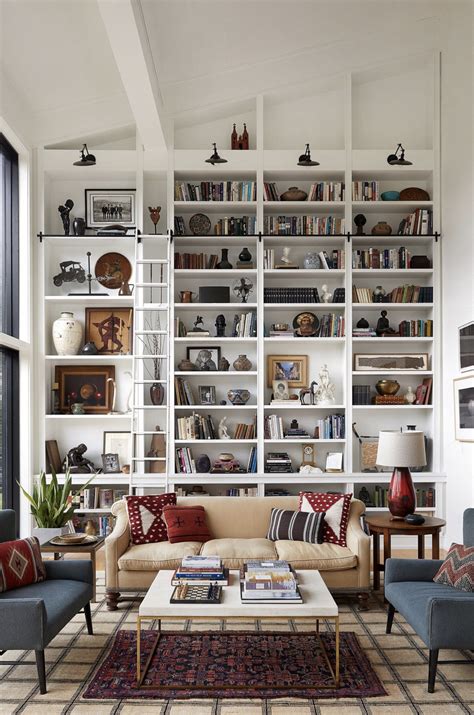
When floor space is severely limited, looking upward provides an entirely untapped reservoir of potential for organization and display. Utilizing your vertical planes keeps clutter off the ground and draws the eye upward to emphasize high ceilings. By keeping your walls working hard, you free up the precious floor area required for comfortable everyday movement.
8. Floor-to-Ceiling Shelving: Install tall bookcases to maximize vertical surface areas and create a sophisticated library aesthetic. Drawing the eye all the way up to the ceiling emphasizes room height and distracts from a narrow floor plan.
9. Wall-Mounted Media Consoles: Ditch the heavy floor-standing TV unit in favor of a floating console to free up valuable floor real estate underneath. This empty space below the unit makes the entire wall feel lighter and simplifies floor cleaning.
10. Pegrail Systems: Install wooden pegrails around the perimeter of the room for a versatile, renter-friendly way to hang plants, art, and bags. Pegrails offer customizable hanging storage that can be rearranged instantly as your organizational needs shift.
11. Vertical Art Galleries: Stack artwork vertically rather than spreading frames horizontally to accentuate wall height. This arrangement prevents narrow walls from feeling overcrowded and creates a gallery-like focal point.
12. Tall Indoor Plants: Bring life into tight corners using slender potted plants like a fiddle-leaf fig or snake plant that grow upward rather than outward. Tall greenery adds organic texture without taking up valuable floor width.
13. Over-the-Door Organizers: Maximize back-of-door storage space in adjacent entryways or closets that feed into the main living zone. Stashing everyday items out of sight keeps the main living space visually serene.
14. Wall Sconces: Free up precious side table surfaces by mounting reading lamps directly onto the wall using hardwired or plug-in fixtures. This leaves your small end tables completely clear for drinks and essentials.
Optical Illusions with Light and Color
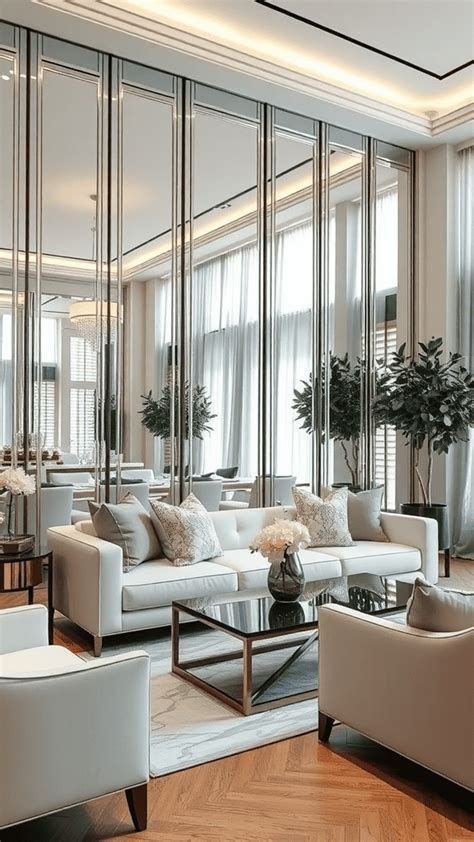
Strategic design choices can dramatically alter the perceived proportions of a compact interior space. Light reflection and color temperature play massive roles in making tight rooms feel expansive and welcoming. By manipulating how natural and artificial light bounce around the room, you can make physical boundaries feel softer and more distant.
15. Oversized Mirrors: Lean a large floor mirror opposite a window to bounce natural sunlight throughout the entire room. A well-placed mirror essentially acts as an extra window, doubling the light and expanding visual depth.
16. Monochromatic Palettes: Paint walls, trim, and baseboards in the same soft neutral hue to blur boundaries and expand visual depth. When contrast is minimized, the eye travels smoothly across the room without stopping at distinct color transitions.
17. Layered Lighting: Combine floor lamps, table lamps, and dimmable overhead fixtures to eliminate harsh shadows in dark corners. Lighting multiple levels of the room creates warmth and prevents the space from feeling cave-like.
18. Glossy Sheen Finishes: Use semi-gloss or satin paints on select accent features to reflect ambient light efficiently. The subtle sheen catches illumination and adds a layer of quiet sophistication to the walls.
19. Continuous Flooring: Extend the same flooring material seamlessly from your living room into adjoining hallways to amplify room scale. Unbroken flooring creates an uninterrupted sightline that makes your entire apartment feel larger.
20. Sheer Window Treatments: Swap heavy velvet drapes for lightweight linen or sheer cotton panels that filter light while maintaining privacy. Sheers let maximum daylight penetrate deep into the room while softening glare.
21. Low-Profile Window Trim: Keep window treatments minimal so natural daylight floods the interior unimpeded. Keeping hardware sleek and simple prevents windows from feeling heavy or blocked.
Renter-Friendly Decor Hacks
Renting an apartment in the United States often comes with strict lease agreements prohibiting nails, permanent paint, or fixture upgrades. Fortunately, modern temporary decor products make personalizing your rental remarkably easy without risking your security deposit. These clever workarounds deliver high-impact style changes that can be completely reversed on moving day.
22. Peel-and-Stick Wallpaper: Apply removable wallpaper to an accent wall behind your sofa to introduce pattern and personality without permanent damage. It provides the drama of traditional wallpaper with clean, easy removal when your lease ends.
23. Heavy-Duty Adhesive Hooks: Hang framed art and decorative mirrors safely using certified weight-rated adhesive strips. These reliable fasteners hold frames securely against drywall without requiring anchors or spackle patches.
24. Plug-in Pendant Lights: Suspend a statement light fixture over your seating area using ceiling hooks and a cord cover plugged into a standard wall outlet. You get the high-end look of hardwired lighting with zero electrical work required.
25. Removable Floor Tiles: Refresh dated laminate or linoleum flooring using peel-and-stick vinyl tiles designed for temporary application. They overlay worn surfaces instantly and peel up cleanly when you vacate.
26. Tension Rod Curtains: Create faux architectural floor-to-ceiling drapery walls using heavy-duty tension rods that require zero drilling. This trick softens hard apartment walls and introduces luxurious texture instantly.
27. Adhesive Backsplashes: If your living room features an open-concept kitchenette, update the space temporarily with stick-on tile panels. It ties the visual zones together without requiring permanent tile installation.
28. Slipcovered Seating: Transform a thrifted or neutral sofa using a tailored, washable slipcover that adapts to your evolving color scheme. Slipcovers offer an easy way to refresh your palette without buying new furniture.
Textiles, Rugs, and Finishing Touches
The final layer of any living room involves textiles and accessories that tie the entire design scheme together. Selecting the right scale for smaller spaces prevents elements from feeling chaotic or oversized. Thoughtful curation ensures every throw blanket, cushion, and rug serves a distinct purpose.
29. Properly Sized Area Rugs: Avoid undersized postage-stamp rugs by ensuring at least the front legs of your seating rest comfortably on the rug. A properly scaled rug anchors the seating arrangement and unifies the furniture grouping.
30. Strategic Cushion Mixing: Combine solid and textured throw pillows in varied scales to add cozy depth without overcrowding small seating areas. Limiting your palette keeps the arrangement cohesive rather than cluttered.
31. Scaled Coffee Table Decor: Keep tabletop styling minimal with a single tray holding a candle and one book to prevent visual clutter. Minimal styling maintains a clean surface area that feels calm and intentional.
Frequently Asked Questions
How can I arrange furniture in a tiny US apartment living room?
Start by floating your main seating away from the walls rather than pushing every piece against the perimeter. Keep walkways clear and use multi-functional furniture like nesting tables or storage ottomans to maintain flexibility.
What paint colors make a small living room look bigger?
Soft neutrals like warm whites, pale greiges, and light warm grays reflect natural light best. Painting your trim and walls the same color creates a seamless look that expands the perceived space.
How do I decorate a rental living room without losing my security deposit?
Rely on renter-safe solutions such as heavy-duty adhesive strips for hanging frames, peel-and-stick accent wallpaper, tension rod curtains, and plug-in wall sconces instead of permanent electrical installations.


