Finding effective ways to corral clutter in a shared living space can feel like a daily balancing act, especially when square footage is at a premium. While media consoles manage electronics and bookcases hold libraries, transitional spaces often remain underutilized. This is where high-capacity console tables with integrated storage step in as unsung heroes of interior organization. Far from acting as simple decorative ledges, modern designs offer deep drawers, concealed cabinets, and tiered shelving that turn a dead wall or the back of a sofa into a powerhouse of efficiency.
Selecting the right furniture piece requires looking past superficial aesthetics to evaluate how internal compartments, weight limits, and physical dimensions align with your daily habits. Whether you need a place to stash stray tech accessories, board games, or seasonal throws, incorporating a hardworking storage piece transforms your main gathering space from chaotic to curated. Let’s explore the essential criteria for choosing and styling a multi-functional console that works seamlessly for your home.
Evaluating Storage Mechanisms: Drawers, Cabinets, and Shelves
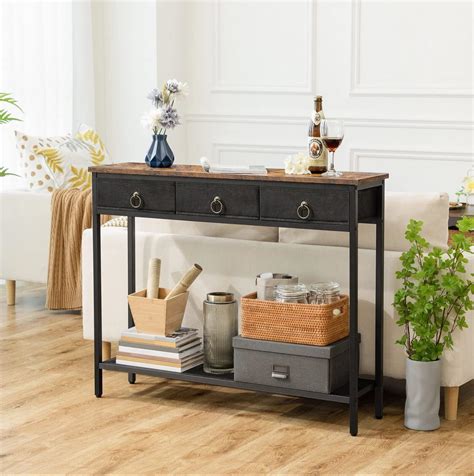
The primary benefit of an upgraded console table lies in its internal and external architecture. When evaluating options, consider the exact types of clutter you need to conceal. Closed storage solutions, such as cabinets and dovetailed drawers, keep visual noise completely out of sight. These are ideal for hiding miscellaneous items like charging cords, remotes, coasters, and paperwork that tend to accumulate in family rooms. Deep drawers on smooth metal glides prevent items from jamming, making everyday retrieval frustration-free.
Conversely, open shelving offers a hybrid approach that blends display opportunities with practical access. Lower tiers or slatted wooden shelves can accommodate woven baskets, decorative storage boxes, or neat stacks of hardcover books. When utilizing open storage, modular fabric or seagrass bins act as hidden drawers, allowing you to maintain an airy aesthetic while keeping smaller objects corralled. Balancing open and closed compartments prevents the furniture piece from feeling heavy or visually blocking the natural flow of light in the room.
Strategic Placement and Precise Measuring for Living Rooms
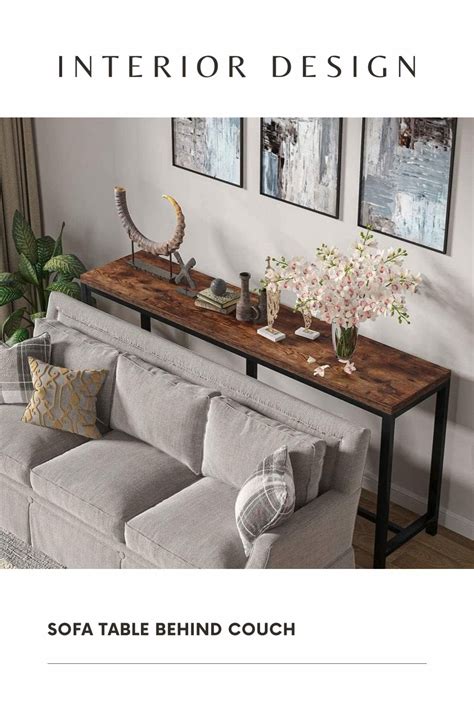
Before browsing retail catalogs, taking accurate room measurements is non-negotiable. Begin by mapping out your intended placement zones, which typically include anchoring the piece directly against an empty wall, floating it immediately behind a sofa, or positioning it in a wide transition hallway. If you plan to float the table behind a sofa, verify that the table height sits slightly lower than the sofa back cushions, or matches it evenly for a clean architectural line. Leave at least thirty inches of clearance in main walking paths to prevent the room from feeling cramped.
Depth is another critical dimension that is frequently overlooked during the shopping process. Standard console tables range from twelve to eighteen inches in depth. If your living room features narrow walkways, selecting a slimmer profile prevents bumped knees and blocked traffic patterns. However, if you rely on the table for heavy storage inside cabinets, ensure that cabinet doors can swing open completely without colliding with nearby coffee tables, area rugs, or structural pillars. Always check whether the manufacturer includes hardware for wall-anchoring, which is a vital safety measure for tall or heavily loaded units.
Balancing Material Durability with Interior Aesthetics
A hardworking storage console must withstand daily wear and tear while harmonizing with your existing decor scheme. Solid hardwoods like oak, walnut, and mango wood offer exceptional durability and a timeless appearance that adapts as your design preferences evolve. Engineered woods topped with high-grade veneers provide a budget-friendly alternative that resists warping, though you should inspect edge-banding quality to ensure long-term resilience against moisture and impact.
Metal frames paired with wooden shelving introduce an industrial or modern rustic edge, lending structural integrity without visual bulk. If your living room leans toward a coastal or transitional aesthetic, painted finishes in soft neutrals, warm taupe, or muted sage green can anchor the space with understated elegance. Consider the existing hardware in the room—such as brass light fixtures, black iron curtain rods, or nickel door handles—and select console drawer pulls or cabinet knobs that tie these metallic accents together for a cohesive finish.
Styling Your Storage Console for a Clutter-Free Look
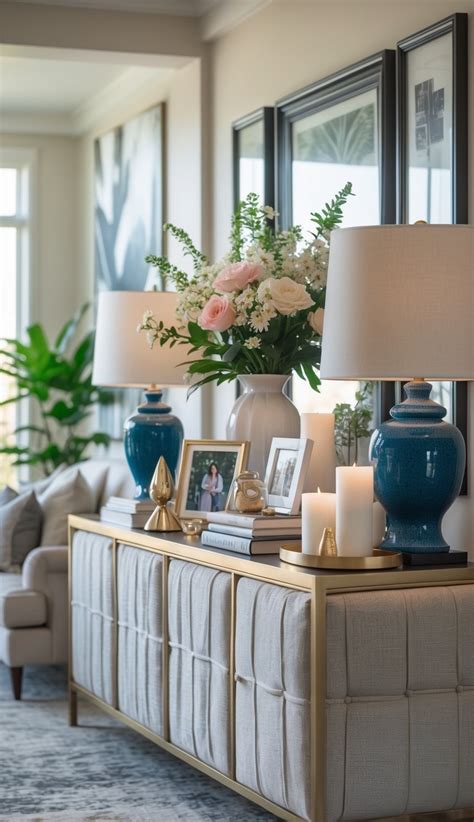
Once your console table is assembled and positioned, the styling phase begins. The golden rule of styling a storage console is to avoid overcrowding the surface. Because the base of the table is already managing heavy storage loads, keep the top surface relatively streamlined. Utilize the asymmetrical rule of threes by grouping decorative objects of varying heights, such as a ceramic table lamp, a stack of art books, and a sculptural bowl used as a landing pad for keys and everyday pocket items.
Incorporate vertical elements like a large arched mirror or a framed piece of artwork hung directly above the table to draw the eye upward and anchor the furniture piece to the wall. Greenery also plays a vital role in softening hard furniture lines; a trailing pothos plant or a simple glass vase filled with seasonal branches brings organic movement to the vignette. By maintaining a clean, intentional surface styling scheme, you ensure that the table looks sophisticated while keeping its hardworking internal storage entirely dedicated to your organizational needs.
Frequently Asked Questions
What features should I look for in a console table with ample storage?
Look for a combination of closed storage (such as drawers and cabinets) to hide loose clutter and open shelving or cubbies for baskets and decorative display. Sturdy drawer glides, durable hardware, and appropriate weight capacities for heavy items are also essential features.
Where is the best place to put a console table in a living room?
Console tables work best placed flat against an empty accent wall, positioned directly behind a sofa in an open-concept layout, or placed in an entryway or transitional hallway that flows into the main living space.
How do I choose between open shelving and closed cabinet storage?
Choose closed cabinets if you need to hide unsightly items like cords, mail, and toys out of sight. Choose open shelving if you prefer an airy, minimalist aesthetic and plan to use stylish bins or baskets to organize smaller belongings.
What dimensions should I measure before buying a console table?
Always measure the available wall length, the height of your sofa back if placing it behind seating, and the depth of the walkway. Ensure you have at least 30 inches of clearance for foot traffic and enough room for cabinet doors to open fully.


