Finding efficient storage solutions in a typical American home often feels like a daily puzzle. Whether you are navigating the compact floor plan of a coastal apartment or looking to optimize an older suburban home with limited built-ins, vertical space remains your greatest untapped asset. Relying solely on floor-standing furniture can quickly crowd a room, making spaces feel smaller than they actually are. Embracing creative custom shelving allows you to draw the eye upward, clear surface clutter, and showcase personal decor without sacrificing valuable floor space.
Implementing smart shelving does not require an advanced carpentry degree or a massive budget. By understanding standard U.S. lumber dimensions—such as knowing that a nominal 1×10 board actually measures three-quarters of an inch by nine and a quarter inches—you can easily source affordable materials from local home improvement centers like Home Depot or Lowe’s. From rustic reclaimed wood planks to sleek metal brackets, thoughtful DIY shelving projects offer a customized look that flat-pack furniture simply cannot replicate. Below is an extensive curation of clever design concepts tailored to every room and skill level.
Living Room Floating and Display Shelves
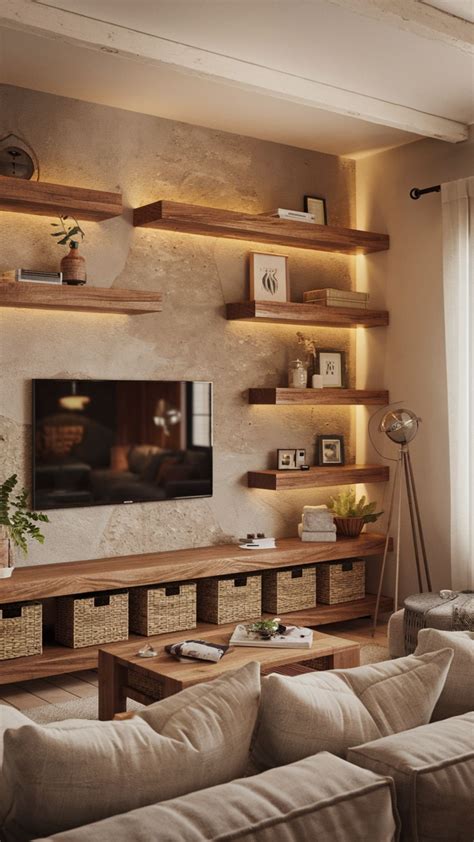
The living room serves as the central gathering space in most American households, making it prime real estate for both functional storage and personal expression. Installing minimalist floating shelves around a fireplace or along an empty accent wall creates an immediate focal point. When constructing these shelves, opting for hollow-box floating brackets ensures a clean, modern aesthetic where the mounting hardware remains completely concealed inside the wood.
To handle heavier items like hardback books or ceramic sculptures, anchor your support boards directly into the wall studs rather than relying purely on drywall anchors. In standard U.S. construction, wall studs are typically spaced sixteen inches apart center-to-center. Locating these studs with an electronic finder ensures your display remains completely secure over time. Balance heavier decor items on the stud-supported ends of the shelf and place lighter, airier elements toward the middle to prevent any sagging or structural strain.
Kitchen and Pantry Space-Maximizing Shelves
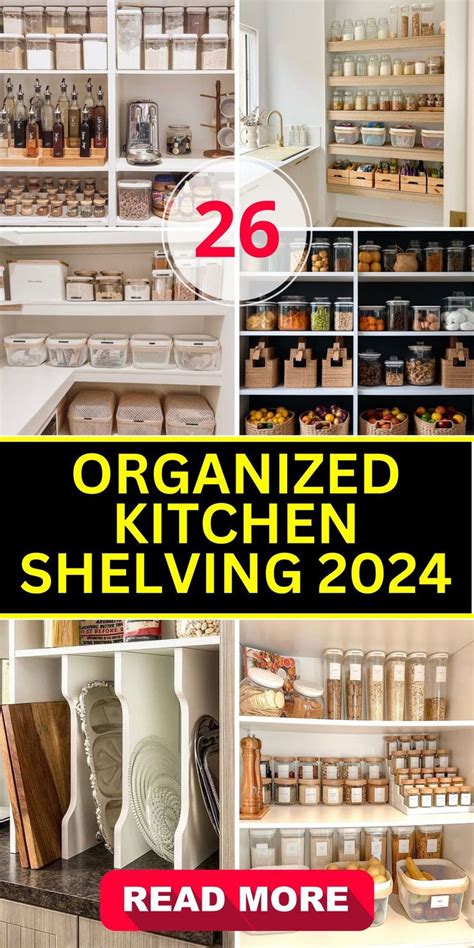
American kitchens frequently suffer from dead corners, narrow gaps between appliances, and cluttered pantries that make meal preparation frustrating. Installing narrow, wall-mounted spice ledges on the back of a pantry door or utilizing the sliver of wall space beside your refrigerator instantly creates high-capacity storage for jars and oils. For an open-shelving look above a coffee bar, thick pine boards paired with heavy-duty iron brackets provide both industrial charm and sturdy utility.
When working in moisture-prone cooking zones, always seal your DIY wooden shelves with a durable polyurethane or food-safe butcher block oil. This prevents steam, grease, and accidental liquid spills from warping the timber or staining the surface. Furthermore, measure the clearance height between shelves carefully before mounting; leaving at least fourteen to eighteen inches of vertical space above standard kitchen counters ensures you can comfortably store small appliances like blenders or stand mixers underneath without scraping the underside of the wood.
Bathroom Over-the-Toilet and Corner Shelving
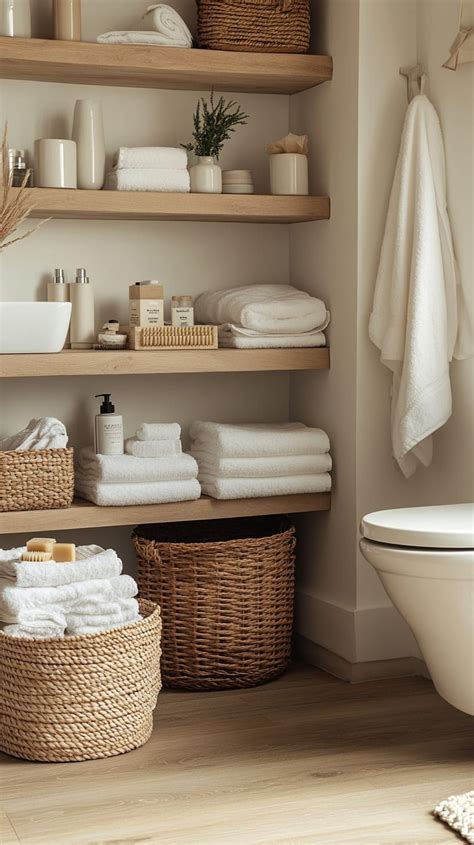
Bathrooms in many apartments and starter homes often lack adequate cabinetry, leaving toiletries scattered across tiny vanity tops. Building custom over-the-toilet shelving units or floating corner ledges transforms underutilized vertical cavities into organized storage zones. Corner shelves are particularly effective in small bathrooms because they utilize tight angles that standard rectangular furniture cannot reach, keeping the central walking path completely open and unobstructed.
Because bathrooms experience high humidity fluctuations, select moisture-resistant materials like cedar, pressure-treated pine, or properly sealed hardwoods. Stainless steel or brass brackets resist rust much better than standard plated steel, ensuring your hardware maintains its finish over years of exposure to shower steam. Always use toggle bolts or heavy-duty plastic wall anchors if you cannot drill directly into a wall stud, as bathroom drywall can degrade quickly under sustained loads in damp environments.
Bedroom and Closet Organizational DIY Shelves
Maximizing bedroom closet space is one of the most effective ways to streamline your morning routine and keep garments wrinkle-free. Replacing a single wire closet shelf with a multi-tiered system of custom plywood shelving allows you to adjust vertical spacing to fit folded sweaters, shoe boxes, and storage bins perfectly. For bedrooms lacking traditional nightstands, hanging small wooden ledges from the wall using leather straps or minimalist ropes frees up floor space for a clean, contemporary aesthetic.
When designing closet shelving, standard depths range from twelve inches for folded clothing and shoes up to sixteen inches for bulky blankets and winter wear. Sanding your cut lumber thoroughly before painting or staining prevents rough edges from snagging delicate fabrics. Securely fastening these closet inserts to wall studs is vital, as overloaded clothing shelves experience significant downward pressure every time winter coats or heavy storage totes are loaded onto them.
Renter-Friendly, Damage-Free Hanging Shelf Solutions
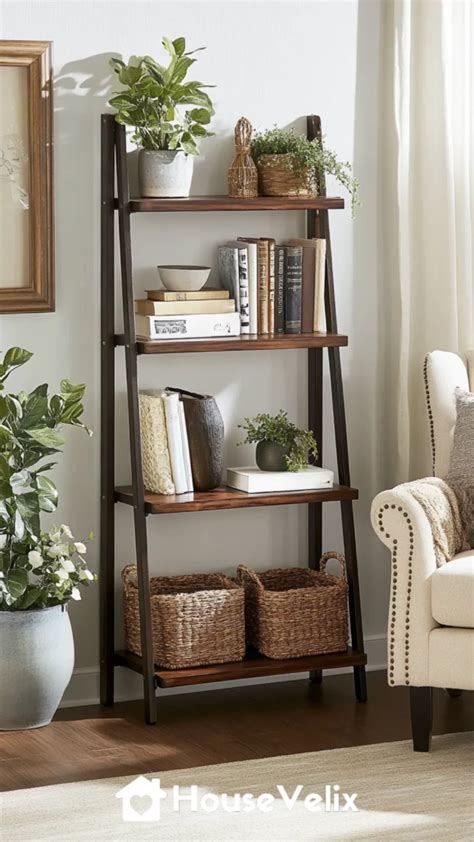
Living in a rental property in the United States often comes with strict lease restrictions regarding wall damage, nail holes, and permanent modifications. Fortunately, renters can still enjoy the benefits of vertical storage by employing clever, damage-free hanging techniques. Tension-rod shelving systems, heavy-duty adhesive mounting strips designed for picture frames, and leaning ladder shelves require zero drilling while offering substantial display and storage capacity.
Leaning ladder shelves are a favorite among apartment dwellers because they rest stably against the wall using gravity alone, requiring only a simple anti-tip strap secured with minimal hardware. If your lease permits small picture-hanger nails, you can suspend lightweight decorative display ledges using decorative macramé rope or sturdy twine anchored to single, easily patchable pinholes. These creative alternatives ensure you can customize your living space to perfection and restore the walls effortlessly when your lease term concludes.
Frequently Asked Questions
What are the best materials for budget-friendly DIY shelving?
Standard dimensional lumber like whitewood, pine, and MDF (medium-density fiberboard) offer the best balance of affordability and accessibility at major U.S. home improvement retailers. Plywood is also fantastic for larger built-in projects because it resists warping better than solid wood boards.
How do I anchor shelves safely into drywall?
Whenever possible, drive your mounting screws directly into wooden wall studs spaced sixteen inches apart. If a stud is not available where you need the shelf, use heavy-duty toggle bolts or expanding metal wall anchors rated for the weight capacity of your items rather than basic plastic push-in anchors.
Are floating shelves strong enough to hold heavy books?
Yes, provided they are built using robust internal metal bracket systems and anchored securely into structural wall studs. Avoid relying solely on hollow drywall anchors when hanging heavy hardcover book collections on long floating shelves.
How can renters install shelves without losing their security deposit?
Renters can utilize leaning ladder shelves, tension-rod organizers, or over-the-door hanging racks. If wall hanging is permitted with minor repairs, use small finish nails and fill the tiny holes with spackle and touch-up paint before moving out.


