Grey tiles have evolved far beyond utilitarian kitchens and bathrooms, emerging as a sophisticated foundation for modern living rooms. Whether you own a suburban house or rent an urban apartment, integrating grey tile introduces a sleek, durable surface that anchors your entire design scheme. Because grey acts as a versatile neutral, it bridges the gap between warm organic elements and crisp contemporary lines. However, selecting the right tone and finish requires careful thought regarding natural lighting, room dimensions, and your daily lifestyle.
For homeowners and renters alike, the key to success lies in balancing the inherent coolness of grey with inviting textures and thoughtful layouts. This guide explores how to choose the ideal tile variety, execute permanent or temporary installations, and style your updated living area so it feels welcoming rather than austere.
Selecting the Right Shade and Finish for Your Space
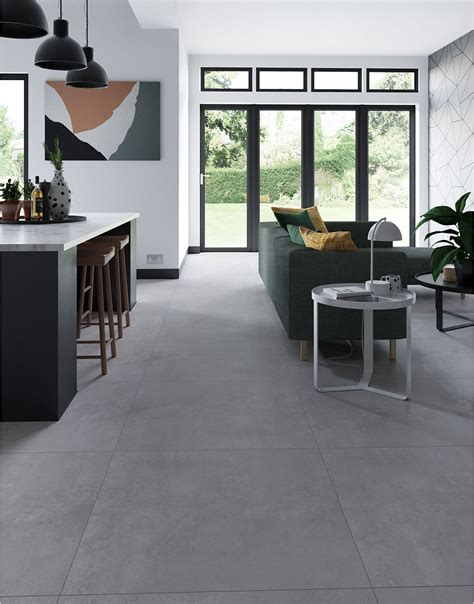
The scale and lighting of your living room should dictate the shade of grey tile you choose. In smaller apartments or rooms with limited natural light, soft dove grey or pale silver tiles reflect ambient light and make the space feel more expansive. Conversely, deep charcoal or slate grey tiles create a dramatic, moody atmosphere in large, sunlit living rooms, offering a striking contrast against lighter walls and upholstery.
Beyond color, surface finish plays a vital role in both safety and aesthetics. Polished porcelain tiles offer a luxurious sheen that amplifies brightness, though they can become slick when wet and show dust more easily. Matte and textured finishes provide better slip resistance and a more understated, earthy appearance, making them a practical choice for high-traffic American households with children, pets, or frequent guests.
Permanent Flooring Upgrades for Homeowners
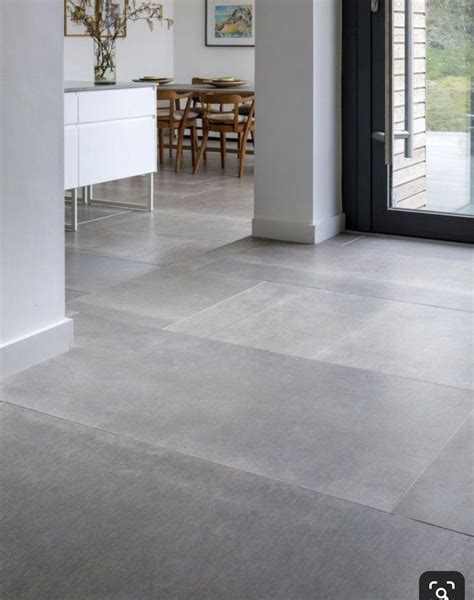
For homeowners looking to undertake a long-term renovation, laying down ceramic, porcelain, or natural stone tiles offers unmatched durability and timeless appeal. Porcelain remains a top choice due to its resistance to moisture, scratching, and heavy foot traffic. When planning a permanent installation, subfloor preparation is paramount; ensuring a level and stable subfloor prevents cracking and grout failure over time.
Grout selection is another crucial decision during a permanent remodel. While white grout creates a sharp, geometric grid pattern, it demands diligent cleaning to avoid discoloration. Choosing a matching light or dark grey grout creates a seamless, monolithic floor surface that requires less maintenance and allows your furniture and statement decor pieces to take center stage.
Renter-Friendly Alternatives for Temporary Living Spaces
Renters often struggle to find flooring upgrades that satisfy lease agreements while improving outdated interiors. Fortunately, peel-and-stick vinyl tiles and interlocking modular carpet tiles provide impressive grey stone or concrete looks without altering the permanent subfloor. These products can be laid directly over existing linoleum or worn hardwood, and they peel away cleanly when it is time to move out.
When applying temporary tiles in a rental living room, always test a small, hidden corner first to ensure the adhesive does not strip or stain the original surface. Supplementing these renter-friendly floors with large area rugs protects the temporary tiles from heavy furniture legs while adding an extra layer of softness and insulation to the room.
Styling Grey Tiles: Keeping the Living Room Warm and Cozy
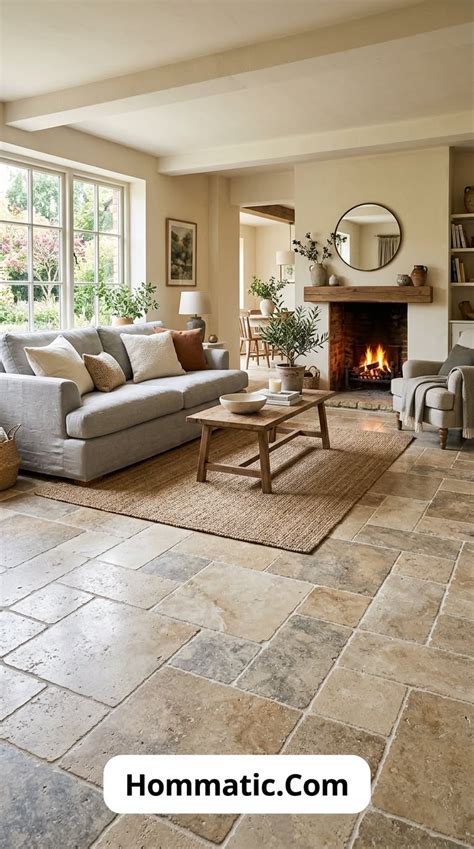
A common concern with grey flooring is that a living room might feel cold or clinical. Combat this by layering tactile, warm textiles throughout the space. Incorporate chunky wool or jute area rugs, velvet throw pillows, and woven baskets to break up the hard surface of the floor. Wood furniture accents, such as a reclaimed oak coffee table or walnut shelving, introduce organic warmth that balances the coolness of grey tiles.
Lighting also transforms how grey tiles are perceived. Opt for warm ambient lighting—bulbs around 2700K—rather than harsh cool-white LEDs. Floor lamps, table lamps, and dimmable overhead fixtures cast a golden glow that softens the room, highlighting the rich undertones of your grey flooring and creating an inviting environment for relaxing or entertaining.
Frequently Asked Questions
Can renters use grey tiles without damaging floors?
Yes, renters can use peel-and-stick vinyl tiles or interlocking floor tiles that feature temporary adhesives. These options allow you to achieve a modern grey tile look without damaging the underlying landlord-approved flooring, and they can be easily removed before your lease ends.
What shade of grey tile works best in small living rooms?
Light shades of grey, such as dove, silver, or soft ash, work best in small living rooms. These lighter tones reflect natural light and create an optical illusion of a larger, more open space.
Are tiles practical for a living room compared to carpet?
Tiles are exceptionally durable, easy to clean, and hypoallergenic, making them great for high-traffic zones and pet owners. However, they lack the built-in softness of carpet, so pairing them with large area rugs is recommended for comfort.
How do you keep a grey tile living room from feeling cold?
You can warm up a grey tile living room by introducing natural wood furniture, layered woven rugs, soft textiles like velvet or wool, and warm-toned lighting fixtures to create a cozy and balanced atmosphere.


