Finding the right balance between functionality and refined aesthetics is a constant priority for homeowners and apartment dwellers across the United States. Whether you are outfitting a compact urban studio or grounding an open-concept suburban living room, selecting accent furniture requires careful attention to scale, proportion, and material presence. Nathan’s unique console and sofa tables offer a compelling solution, bridging the gap between artistic silhouette and everyday practicality.
These versatile pieces act as focal points that pull a room together, offering surface area for daily essentials while maintaining a clean, unobstructed profile. Understanding how to integrate these tables into your existing floor plan can dramatically transform both the visual flow and the organizational capacity of your home. When approaching furniture placement, homeowners must weigh the physical footprint of the piece against the room’s primary traffic lanes to ensure smooth daily movement.
Design Characteristics That Define Nathan’s Tables
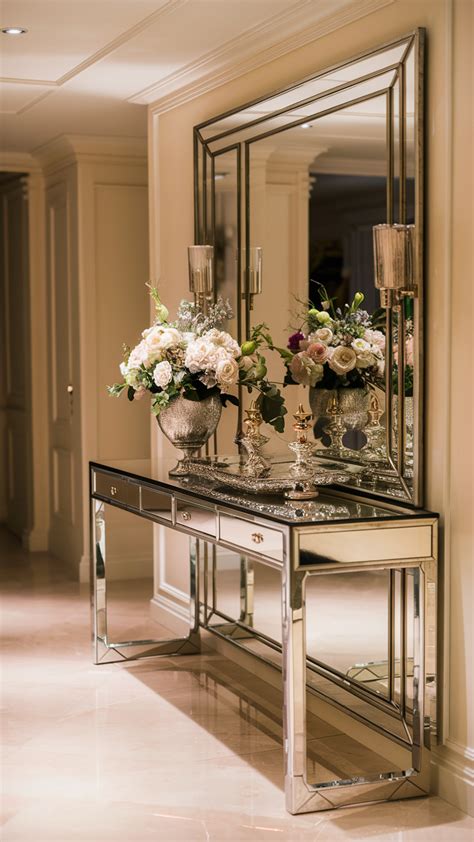
What sets these distinctive console and sofa tables apart is their careful attention to linear geometry, balanced proportions, and mixed-material details. Designers often incorporate slender metallic frames alongside rich wooden surfaces, creating a visual contrast that feels both contemporary and timeless. This intentional blending prevents the furniture from feeling heavy in smaller rooms, allowing light to pass freely underneath and around the piece, which keeps the overall atmosphere light and airy.
Furthermore, the craftsmanship prioritizes structural integrity without sacrificing delicate visual touches. Edges are frequently softened with subtle bevels, and finishes are selected to highlight natural grain patterns or clean, monochromatic sheens. When evaluating these options for your home, consider how the legs, support bars, and tabletop thickness will interact with existing upholstery, flooring, and lighting fixtures to create a harmonious interior palette.
Maximizing Space in U.S. Apartments and Entryways
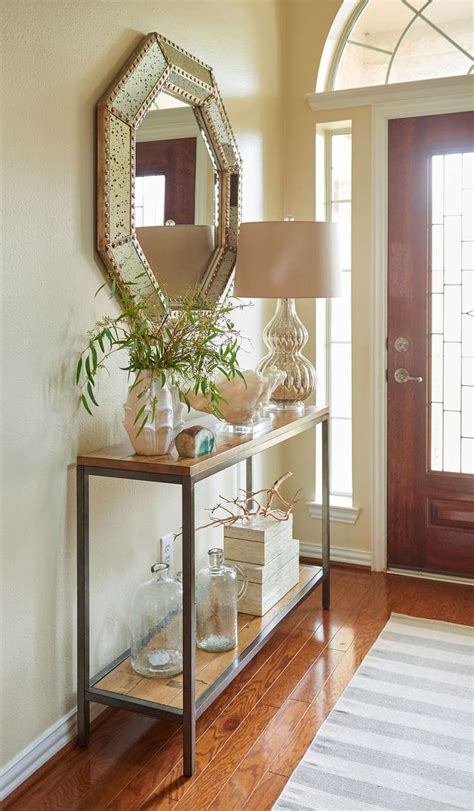
Urban apartments and rental homes often present unique spatial challenges, particularly in entryways and narrow hallways where standard furniture blocks natural walking paths. A shallow console table provides an ideal landing zone for keys, mail, and decorative accent bowls without encroaching on valuable square footage. By choosing a model with a slim profile, you maintain open sightlines while introducing a purposeful staging area right as you walk through the door, establishing an organized transition zone from the outside world.
When placing a console in a tight apartment foyer, pairing the table vertically with a wall-mounted mirror or floating art piece creates an illusion of greater depth. It is also beneficial to utilize vertical storage trays or small decorative baskets beneath the lower shelf to keep clutter contained out of sight. This thoughtful approach ensures that your entryway remains tidy, welcoming, and entirely functional despite limited physical dimensions and architectural constraints.
Creating Balanced Living Room Layouts with Sofa Tables

In standard American living room layouts, floating a sofa away from the wall often leaves an awkward gap behind the seating area. Positioning a sofa table directly against the back of the couch neatly resolves this spatial dead zone while establishing a natural boundary between open-plan living and dining areas. This placement not only anchors the primary seating group but also provides a convenient surface for task lighting, reading lamps, or evening beverages.
When styling a sofa table behind your couch, ensure that the height of the table sits slightly below or flush with the top of the sofa cushions for a cohesive look. Avoid overcrowding the surface; instead, group items in uneven numbers, such as a tall ceramic vase paired with a stack of art books and a small tray. This creates an inviting, professionally curated vignette that enhances the overall atmosphere of the room without looking cluttered or disorganized.
Frequently Asked Questions
What makes Nathan’s console and sofa tables unique for U.S. homes?
They combine slender, space-conscious profiles with rich material contrasts, making them ideal for both compact apartments and expansive suburban living rooms. Their careful attention to proportion allows them to function in tight spaces without overwhelming the surrounding decor.
How do I choose the right size console table for a narrow entryway?
Measure your available clearance to ensure at least 30 to 36 inches of walking space remains unobstructed. Look for slim-depth designs that measure under 12 inches deep to prevent the hallway from feeling cramped.
Can a sofa table be used independently without a sofa?
Yes, many homeowners place these versatile tables against bare living room walls or beneath windows to serve as low-profile display shelves, plant stands, or impromptu writing desks when floor space is at a premium.
What decor items work best on a console table?
A balanced mix of lighting (such as a slim table lamp), natural elements (plants or branches), and personal objects (framed photos or sculptural trays) creates the best visual appeal and textural variety.


