Designing or refreshing a living room in an American home often starts with a single challenge: balancing everyday comfort with personal style. Whether you live in a suburban split-level, a historic urban brownstone, or a newly constructed suburban open-concept build, your living room serves as the central hub for relaxation, family gatherings, and entertaining guests. Sorting through hundreds of design concepts can quickly become overwhelming without a structured framework to guide your decisions.
To help you navigate the vast landscape of interior design inspiration, this guide breaks down actionable living room decor strategies into clear, manageable categories. By focusing on spatial layouts, timeless style pillars, layered textures, and practical budgets, you can systematically transform your living space into a functional sanctuary that reflects your lifestyle.
Modern and Minimalist Living Rooms
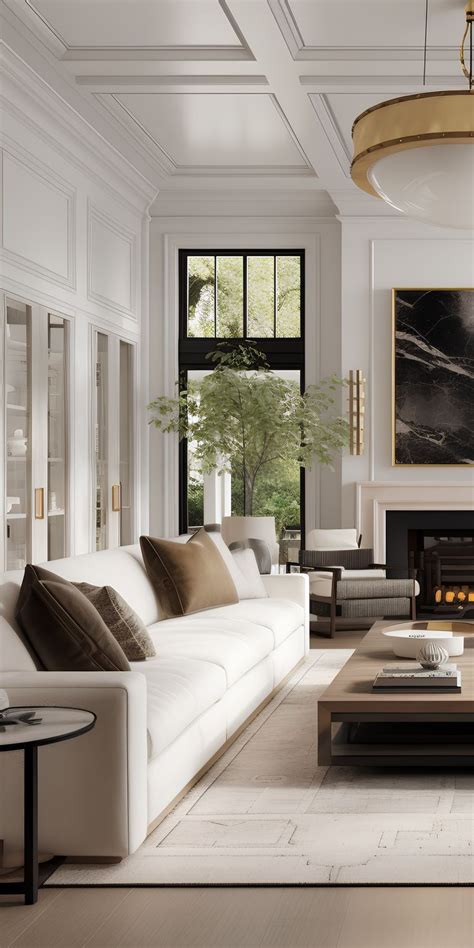
Modern minimalism in American homes focuses heavily on intentionality, clean architectural lines, and decluttered surfaces. Rather than stripping a room of all personality, this design approach prioritizes a few high-impact statement pieces. Neutral base palettes featuring warm whites, soft grays, and oatmeal tones are commonly paired with sleek metal accents or dark wood furniture to anchor the space without visual heaviness.
When designing a minimalist living room, prioritize multi-functional furniture such as low-profile media consoles with concealed storage or coffee tables with lift tops. This keeps everyday clutter out of sight while maintaining an airy, open aesthetic. Incorporating subtle architectural details like slatted wood wall panels or large format floor tiles can add sophisticated texture to an otherwise simple room without introducing unnecessary visual clutter.
Embracing Negative Space
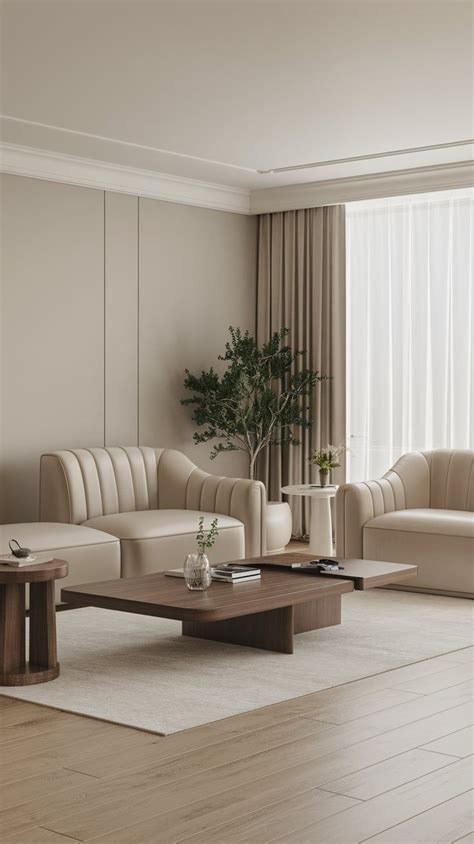
Allowing walls and corners to remain unadorned is a foundational tenet of modern design. Resist the urge to fill every square inch with furniture or wall art, as negative space allows the eye to rest and highlights the pieces you do choose to display.
Consider floating your sofa slightly away from the walls in larger American living rooms to create a more intimate conversation area. This technique improves traffic flow and prevents the room from feeling like a waiting area, enhancing the overall comfort and architectural balance of the space.
Cozy Rustic and Farmhouse Styles
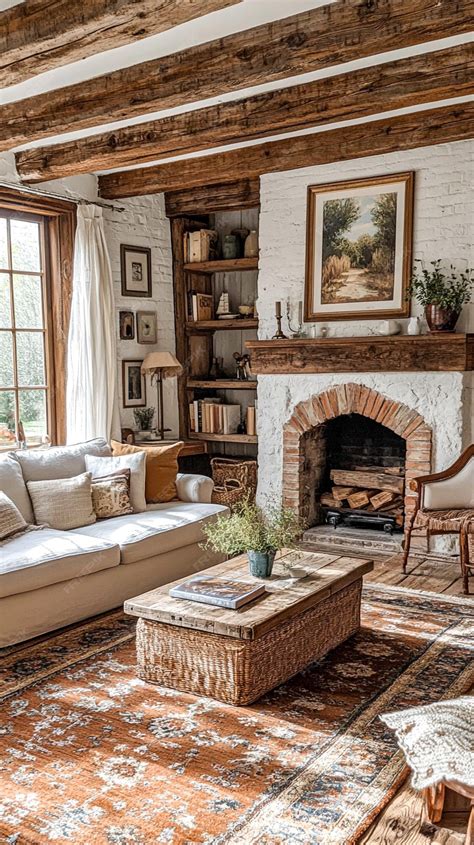
The enduring popularity of rustic and modern farmhouse aesthetics across the United States stems from their innate warmth and focus on natural materials. Reclaimed wood beams, distressed leather armchairs, and handmade pottery bring an organic, lived-in feel to standard suburban drywall and builder-grade flooring. This style encourages relaxation and makes any room feel immediately welcoming to family and guests.
To incorporate this look successfully, balance heavy rustic elements with softer textiles like chunky knit throws, linen drapery, and woven jute rugs. Mixing metals—such as matte black iron hardware with brushed bronze light fixtures—prevents the room from looking like a theme park and adds a curated, collected-over-time character that feels genuinely authentic.
Layering Natural Textures
Texture is the secret ingredient that keeps rustic interiors from feeling cold or dated. Combine smooth ceramic vases with rough-hewn wooden coffee tables and plush wool upholstery to create a tactile environment that invites touch and deep relaxation.
When selecting a statement rug for a rustic living room, look for natural fibers like wool or sisal. These materials offer exceptional durability for high-traffic family spaces while introducing earthy tones and organic patterns that complement wood furniture seamlessly.
Small Space Solutions and Apartment Living
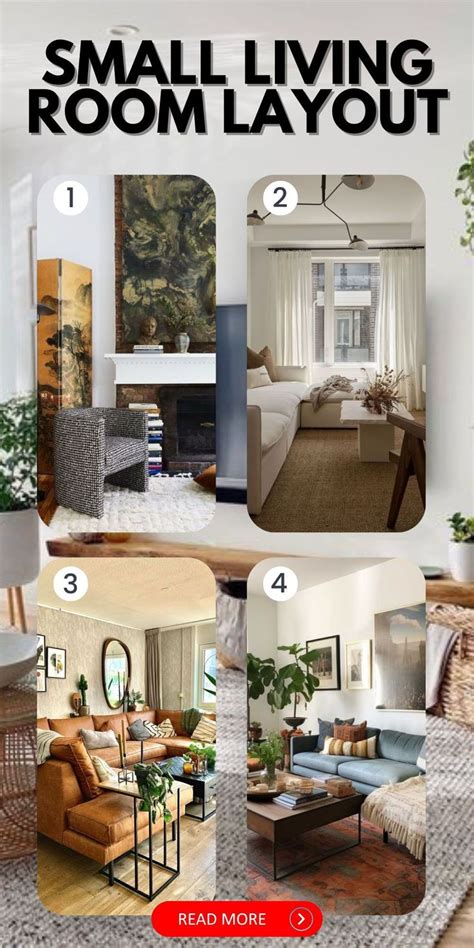
Compact American apartments and urban townhomes require clever spatial planning to maximize every square foot. Designing a small living room is not about sacrificing style, but rather about scaling furniture appropriately and utilizing vertical space. Opting for furniture with exposed legs, such as mid-century modern sofas and armchairs, creates an illusion of greater floor space by allowing light to pass underneath.
Wall-mounted shelving and floating media units keep the floor clear while providing ample storage for books, electronics, and decor items. Mirrors strategically placed opposite windows can double the perceived amount of natural light, making compact urban living rooms feel significantly brighter and more expansive.
Choosing Scale-Appropriate Furniture
One of the most common pitfalls in small living room design is purchasing oversized furniture that dominates the room. Measure your space carefully and select a loveseat or apartment-sized sofa paired with lightweight accent chairs rather than a massive sectional.
Nested coffee tables are another excellent solution for compact layouts. They can be pulled apart when you need surface area for entertaining and tucked neatly together when you want to maximize walking space during daily routines.
Bold Color Palettes and Accent Walls
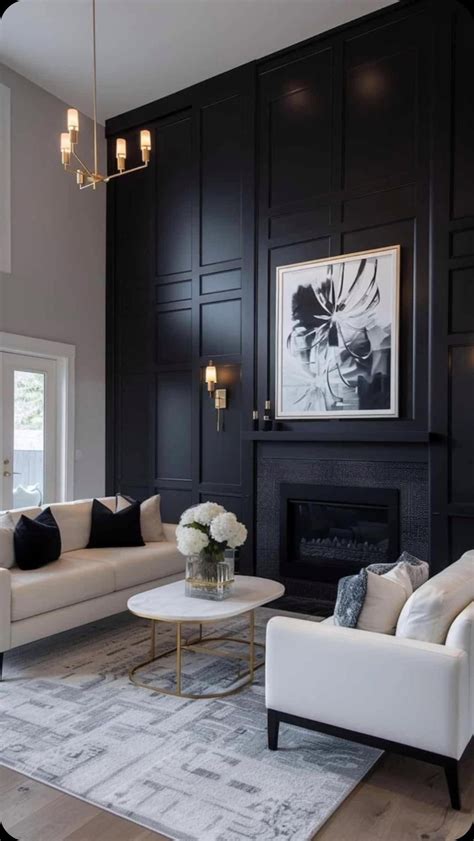
While neutral color schemes provide a calming foundation, incorporating bold color palettes can inject vibrant energy and personality into your living room. Deep jewel tones like emerald green, navy blue, and burnt terracotta create dramatic focal points when applied to accent walls or built-in bookshelves.
If you prefer a more subtle approach to color, introduce saturated hues through smaller decor elements such as velvet throw pillows, abstract art pieces, or statement armchairs. Painting interior doors or window trim a contrasting dark color is another designer-approved technique that adds instant architectural depth without requiring a full room renovation.
Balancing Dark and Light Tones
When using saturated or dark paint colors in a living room, balance is essential to prevent the space from feeling cave-like. Ensure your room receives adequate natural light, or supplement with layered artificial lighting sources including floor lamps, table lamps, and picture lights.
Pairing dark walls with light-colored upholstery, natural wood tones, and metallic accents creates a sophisticated contrast that feels dynamic and balanced rather than heavy or oppressive.
Lighting, Textures, and Layered Decor
Lighting is often called the jewelry of a room, yet it is frequently overlooked in standard living room updates. A well-designed lighting scheme incorporates ambient, task, and accent lighting to create warmth and versatility throughout the day. Combining overhead chandeliers or flush mounts with dimmable floor lamps and directional wall sconces allows you to effortlessly shift the mood of the room.
Layered decor goes hand-in-hand with lighting by introducing tactile elements that soften hard architectural surfaces. Mixing velvet, leather, linen, and woven materials throughout your cushions, drapery, and throws creates a rich, sensory experience that elevates the overall design.
Budget-Friendly DIY Upgrades
Revamping your living room does not require a blank check or a complete gut renovation. Simple DIY updates can deliver dramatic visual impact for a fraction of the cost. Applying picture-frame molding or board-and-batten wainscoting to a blank wall instantly adds high-end architectural character to standard drywall.
Updating cabinet hardware, swapping out dated light fixtures with modern brass alternatives, or sewing your own custom throw pillow covers using high-end fabric remnants are cost-effective projects that allow you to personalize your space while staying strictly within budget.
Frequently Asked Questions
How can I make a small American living room look bigger?
To make a small living room look larger, use scale-appropriate furniture with exposed legs, hang curtains near the ceiling line to draw the eye upward, and place mirrors strategically to reflect natural light. Keeping clutter minimized through smart hidden storage is also essential.
What are the trending living room design styles for US homes?
Current popular styles include warm modernism, modern organic farmhouse, soft minimalism, and transitional design. These styles emphasize a blend of comfort, durability, natural textures, and clean, uncluttered architectural lines.
How do I balance aesthetics and functionality in an open-concept living room?
Define distinct functional zones—such as a conversation area, media viewing zone, or reading nook—using area rugs, strategic furniture placement, and cohesive color palettes that tie the open space together without visual barriers.
What are some budget-friendly ways to update my living room decor?
Affordable updates include painting an accent wall, installing DIY wall molding, swapping out throw pillow covers and area rugs, updating light fixtures, and rearranging existing furniture to improve traffic flow and room focus.


