When shopping for furniture in the United States, the criteria for what makes a piece “best-selling” often depends heavily on your housing situation. Renters frequently prioritize modular designs, lightweight frames, and easy disassembly for upcoming relocations. Meanwhile, permanent homeowners look toward solid wood frames, heavy upholstery, and investment statement pieces built to withstand decades of daily use. Understanding these diverging paths helps buyers navigate the vast U.S. retail market more effectively.
Evaluating current market favorites requires looking past fleeting aesthetic trends and examining how furniture performs under real-world conditions. Whether you are outfitting a compact urban apartment or settling into a multi-bedroom suburban house, matching your furniture choices to your lifestyle prevents costly purchasing mistakes. This guide explores the standout furniture highlights dominating American homes, breaking down what works best for short-term leases versus permanent investments.
Modular and Versatile Seating for Urban Renters
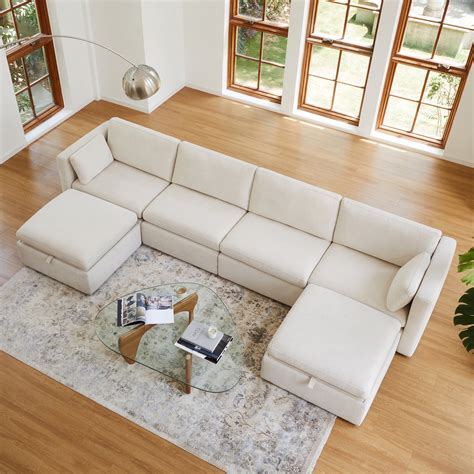
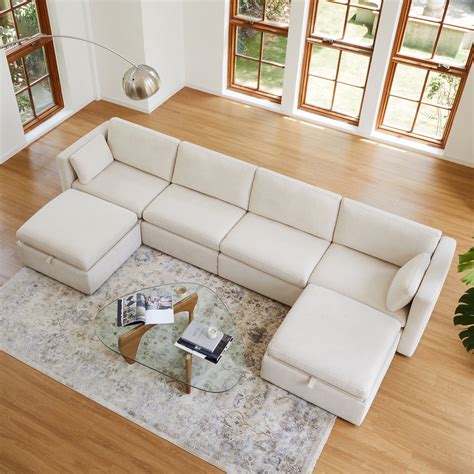
For apartment dwellers and frequent movers across major U.S. metropolitan areas, traditional oversized sectionals often present a logistical nightmare. Best-selling seating options for renters emphasize modular sectionals and configurable sofas that can be rearranged or broken down into manageable boxes when navigating narrow stairwells or elevator banks. These pieces offer the comfort of a large couch without the permanent spatial commitment.
Furthermore, renters often look for performance fabrics that resist stains and spills without requiring professional cleaning, which is especially important for temporary living situations with strict security deposit guidelines. Choosing neutral-toned slipcovered sofas allows renters to easily adapt their seating to different wall colors and floor plans when they move to a new property next year.
Solid Wood and Investment-Grade Statement Pieces for Homeowners
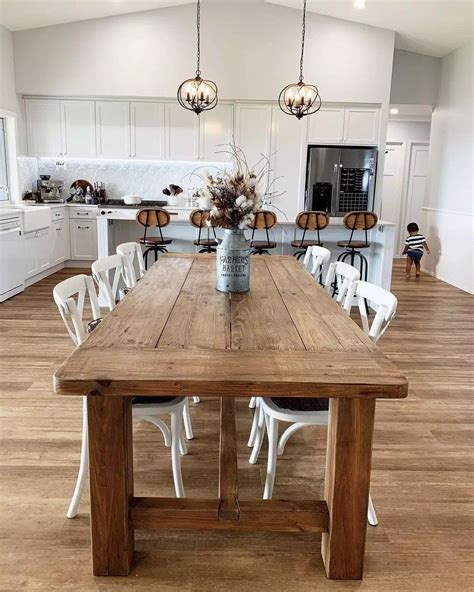
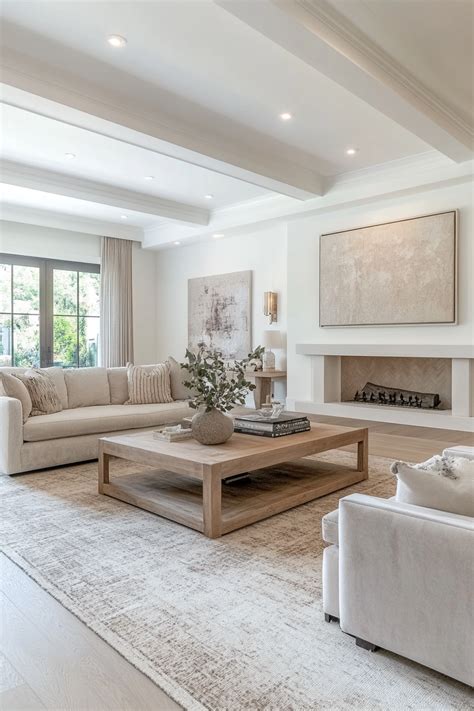
Homeownership changes the mathematical equation of furniture shopping entirely. Without the looming prospect of a cross-town move, homeowners can invest in heavy, heirloom-quality pieces constructed from solid hardwoods like oak, walnut, or maple. Best-selling living and dining highlights in the homeowner market feature architectural details, handcrafted joinery, and natural wood grains that develop a richer patina over time.
Investing in anchor pieces, such as a sturdy dining table or a timeless leather armchair, provides a solid foundation around which seasonal decor can rotate. While the upfront cost is significantly higher than flat-pack alternatives, the longevity of these items offers superior value over a multi-decade timeline. Homeowners prioritize structural integrity, robust hardware, and timeless silhouettes that outlast rapidly shifting interior design micro-trends.
Multi-Functional Furnishings for Maximizing Compact U.S. Spaces
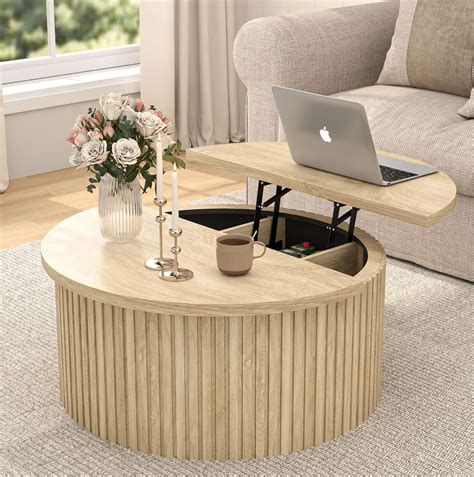
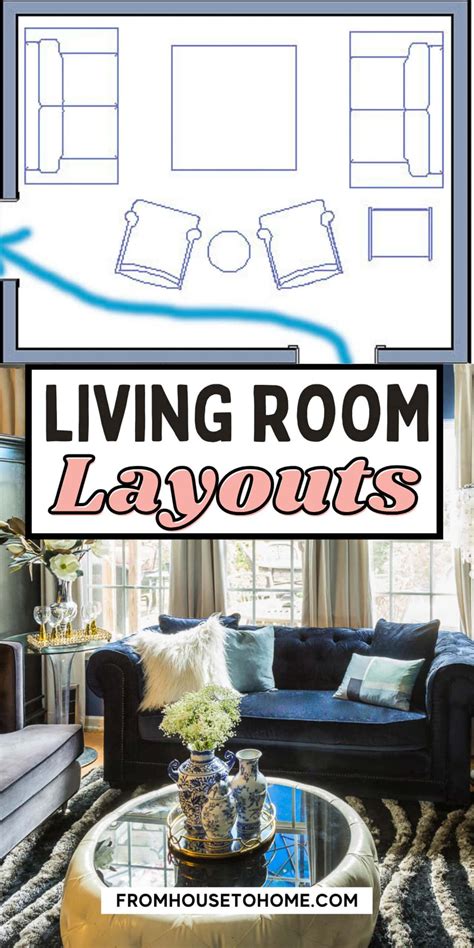
Regardless of whether someone rents or owns, square footage comes at a premium in many modern American homes. Best-selling multi-functional furniture highlights include storage ottomans, extendable dining consoles, and coffee tables with lift-up tops that double as remote workstations. These items quietly solve everyday clutter issues while maintaining a clean, minimalist aesthetic.
When selecting multi-functional items, mechanics matter just as much as appearance. High-traffic items like lift-top coffee tables require heavy-duty steel gas struts rather than flimsy hinges to ensure they withstand frequent daily conversion. Renters and homeowners alike benefit from incorporating these clever space-saving heroes into their floor plans to create flexible rooms that seamlessly transition from daytime productivity to evening relaxation.
Navigating Materials and Practical Maintenance in American Households
Current U.S. market trends lean heavily toward organic textures, boucle upholstery, cane detailing, and matte black metal accents. However, buyers must weigh visual appeal against practical maintenance. Families with children or pets will find that delicate woven cane panels or high-pile white wool fabrics require intensive upkeep compared to tightly woven performance linens or durable top-grain leathers.
Before committing to a furniture purchase, assess your household’s daily traffic patterns and cleaning habits. A stunning dining chair upholstered in a delicate velvet might look exceptional on social media, but a busy household requires wipeable surfaces and resilient finishes that handle accidental spills with ease. Striking the right balance between modern design aesthetics and everyday functionality ensures long-term satisfaction with your home decor investments.
Frequently Asked Questions
What are the main differences when buying furniture as a renter versus a homeowner?
Renters typically need lightweight, modular, and easy-to-disassemble furniture that can adapt to different floor plans and future moves. Homeowners usually focus on heavy, durable investment pieces built from solid materials designed to stay in one place long-term.
How can I maximize space in a small American apartment?
Look for multi-functional furniture such as storage ottomans, nesting tables, and lift-top coffee tables. These pieces provide hidden storage and adjustable surfaces without crowding your floor plan.
Are trending boucle and velvet fabrics practical for everyday use?
Boucle and velvet can add wonderful texture to a room, but they require regular maintenance. Households with pets or young children should look for tightly woven performance fabrics or wipeable leathers for better durability.
Why should I invest in solid wood furniture?
Solid wood furniture offers superior structural integrity and longevity compared to engineered wood or particle board. It can also be sanded, refinished, or repaired over the years, making it a sustainable long-term investment.