Shopping for traditional living room furniture during a seasonal sale is one of the most effective ways to introduce lasting elegance into an American home without overspending. Traditional design, characterized by rich wood tones, graceful silhouettes, tailored upholstery, and symmetrical layouts, creates an atmosphere of warmth and stability. However, acquiring these classic pieces requires more than simply browsing markdown tags. Whether you own a suburban colonial or rent a compact urban apartment, finding items that balance grand aesthetic principles with daily practicality takes careful planning and a clear understanding of U.S. retail cycles.
Successfully navigating a furniture sale means looking beyond superficial price cuts to evaluate frame construction, fabric durability, and scale. Bulky roll-arm sofas, ornate carved coffee tables, and structured wingback chairs demand careful spatial consideration, particularly if you move frequently or live in a rental with strict architectural limitations. By timing your purchases strategically and knowing which features genuinely indicate long-term quality, you can build a sophisticated living space that feels grounded, intentional, and comfortably adapted to your lifestyle.
Defining Traditional Living Room Style for Modern U.S. Spaces
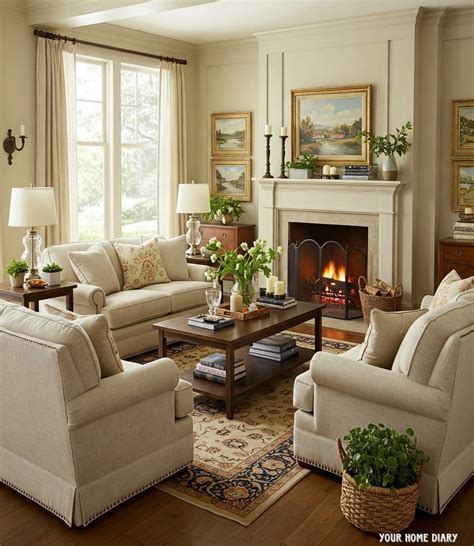
Traditional interior style draws inspiration from 18th- and 19th-century European design, incorporating symmetrical furniture arrangements, rich color palettes, and intricate woodwork. In a modern American living room, this style provides a comforting counterpoint to fast-paced digital life, offering a sense of history and permanence. Key hallmarks include matching furniture sets, tufted or channeled upholstery, polished brass or bronze hardware, and dark hardwoods like mahogany, cherry, or walnut. Rather than looking dated, a well-executed traditional space feels curated, tranquil, and deeply welcoming.
When translating this aesthetic to contemporary U.S. housing, the primary challenge is avoiding a heavy, cluttered look. Modern living rooms often feature open-plan layouts or limited square footage, meaning traditional pieces must be chosen with proportion in mind. Selecting a single statement piece, such as a camelback sofa or a carved cherry wood side table, allows you to anchor the room without overwhelming it. Balancing heavy wood elements with lighter textile accents, neutral wall colors, and ample natural light keeps the environment feeling airy and spacious while retaining its classic charm.
Strategic Timing: When to Shop Traditional Furniture Sales in the U.S.
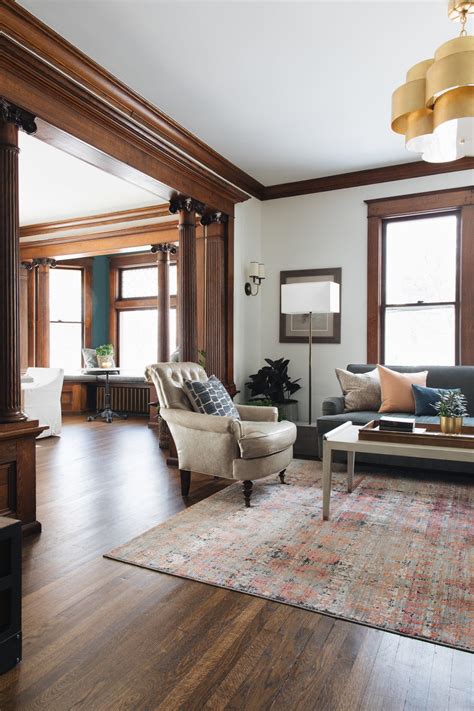
Timing your furniture purchases around major U.S. holiday sales cycles can yield savings of twenty to fifty percent off retail prices. Major shopping events such as Presidents’ Day in February, Memorial Day in May, Labor Day in September, and Black Friday in November are prime opportunities to secure deep discounts on upholstery and case goods. Additionally, many furniture retailers introduce new inventory lines in February and August, prompting warehouses to clear out previous traditional collections through clearance events and floor-model markdowns.
Beyond standard calendar holidays, end-of-quarter inventory audits and online-exclusive flash sales offer secondary windows for bargain hunting. When shopping during these events, always verify whether the advertised markdown applies to custom-ordered upholstery or only to quick-ship stock items. Custom traditional sofas featuring specific fabric grades can take months to arrive and often carry restocking fees, whereas pre-configured floor models or quick-ship selections allow for immediate delivery, making them ideal for renters transitioning to a new home on a tight schedule.
Selecting Core Statement Pieces During a Sale
The foundation of any traditional living room rests on a few essential anchor items that dictate the room’s overall flow and comfort level. Investing your sale budget wisely into these primary furniture categories ensures your living room remains functional, durable, and visually cohesive for years to come.
The Classic Sofa and Armchair Pairing
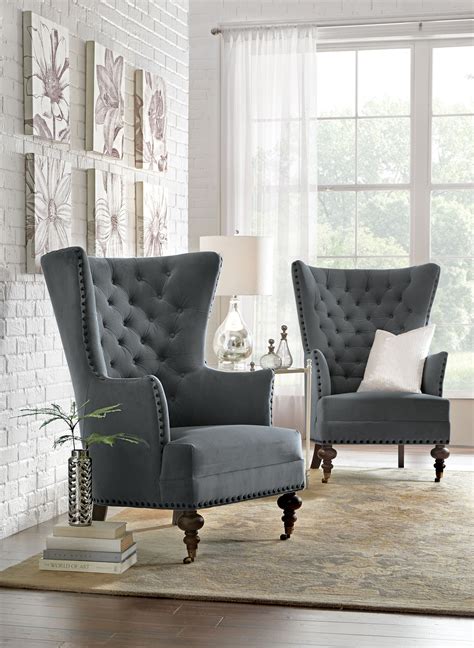
A high-quality sofa is the undisputed centerpiece of a traditional living room, with English roll-arm, Chesterfield, or camelback silhouettes leading the category. During a furniture sale, look past the outer fabric pattern and inspect the frame construction; kiln-dried hardwood frames joined with corner blocks offer superior longevity compared to particleboard alternatives. Pair your main sofa with a matching pair of wingback chairs or tufted club chairs to establish the hallmark symmetry of traditional design.
For renters and apartment dwellers, ensure the sofa’s overall length and arm profile will fit through tight stairwells, elevators, and standard doorways. Removable cushion covers and performance velvet or damask fabrics treated for stain resistance also help protect your investment against everyday wear, pets, and accidental spills in high-traffic family rooms.
Coffee Tables and Accent Case Goods
Traditional coffee tables often feature carved wooden cabriole legs, inlaid wood veneers, or glass inserts framed in polished brass. When these pieces go on sale, check the stability of the legs and the quality of any drawer glides to ensure sturdy craftsmanship. A rectangular or oval wooden cocktail table anchors the seating group while providing a warm surface for decorative trays, books, and lamps.
Complementary case goods such as console tables, breakfronts, or side cabinets add functional storage while reinforcing the traditional theme. If your living room features a television, consider housing it near a classic media console designed with louvered cabinet doors that conceal modern electronics while maintaining the room’s historic visual integrity.
Rental-Friendly Traditional Decorating Strategies
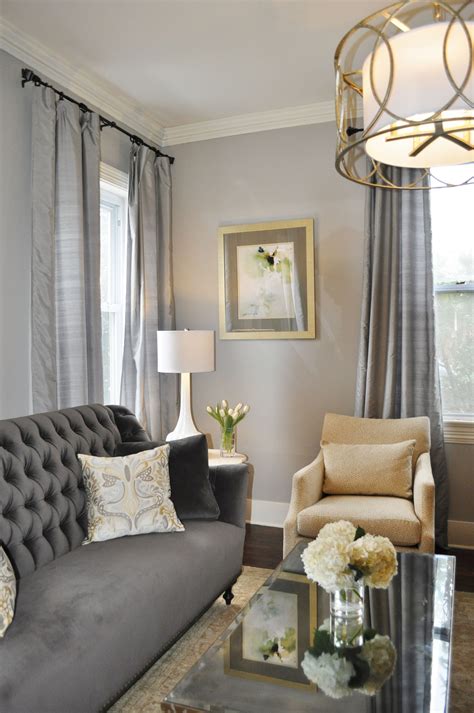
Renters often assume that traditional furniture is too cumbersome or formal for temporary apartments, but classic pieces can actually bring a much-needed sense of permanence to a rental. Because rental units frequently feature blank white walls, standard baseboards, and neutral flooring, traditional furniture acts as an immediate injection of personality and architectural weight, neutralizing the sterile feel of a temporary space.
To make bulky traditional items work in a rental, focus on flexible placement and avoid matching entire multi-piece room sets that can make a small apartment look cramped. Instead, select one or two striking vintage-inspired pieces, such as a carved accent chair or a stately secretary desk, and pair them with modern, lightweight accessories. Utilize area rugs to define distinct zones within an open-concept rental living room, and rely on removable hardware swaps or floor lamps rather than permanent wall-mounted light fixtures to illuminate your traditional display pieces.
Frequently Asked Questions
What defines traditional living room furniture style?
Traditional furniture style is rooted in 18th- and 19th-century European design. It features symmetrical layouts, rich wood tones like mahogany and cherry, intricate carvings, and tailored upholstery such as tufting, rolled arms, and damask fabrics.
How can renters incorporate traditional furniture into temporary spaces?
Renters can successfully use traditional furniture by selecting one or two standout anchor pieces—like a wingback chair or a classic coffee table—rather than bulky full-room sets. Pairing these classic items with neutral rugs and flexible lighting helps maintain a balanced, non-cluttered look.
When are the best times of year to find furniture sales in the U.S.?
The best times for U.S. furniture sales include major holiday weekends such as Presidents’ Day, Memorial Day, Labor Day, and Black Friday. Additionally, February and August often feature clearance events as retailers clear warehouse space for new inventory.
How do I choose durable traditional pieces that hold their value?
Prioritize solid construction by checking for kiln-dried hardwood frames, eight-way hand-tied coil springs in upholstered seating, and sturdy joinery like dovetail joints in wooden drawers. Investing in quality materials ensures the furniture withstands daily use and retains its classic appeal.
What are budget-friendly alternatives to high-end antique or classic furniture?
If high-end antiques exceed your budget, look for reproduction furniture pieces made from sturdy veneers over solid wood frames during seasonal retail sales. Thrift stores, estate sales, and online marketplaces are also excellent sources for discovering solid wood traditional items at a fraction of retail cost.


