Local liquidation events present a unique opportunity for anyone looking to refresh their living space without paying retail prices. Wichita’s final home decor sale brings together an extensive inventory of furnishings, lighting fixtures, and decorative accents, making it a major calendar event for local residents. Because these sales feature deep markdowns on remaining inventory, preparation is key to securing the best items before they disappear from the floor.
Whether you are leasing a downtown apartment or managing a long-term mortgage on a suburban house, navigating a massive inventory clearance requires a clear plan. Different housing situations demand different types of purchases, and understanding your specific spatial limitations helps prevent impulse buys that might not fit your layout. By approaching the sale with a structured strategy, both renters and homeowners can walk away with valuable pieces that elevate their interiors.
Understanding the Event: What to Expect at Wichita’s Final Home Decor Sale
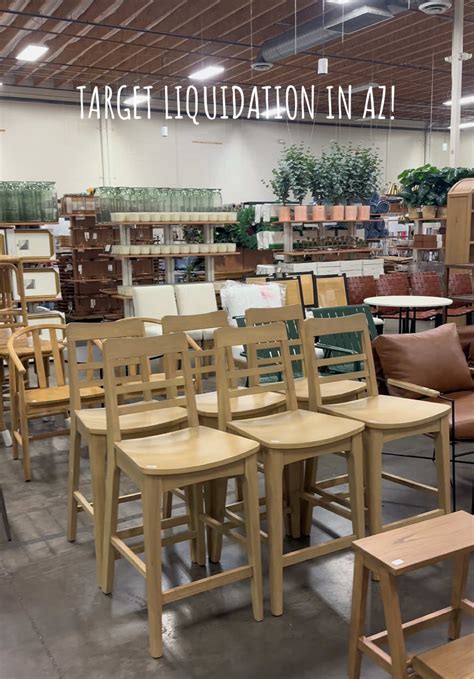
Major liquidation sales in the region typically draw significant crowds eager to browse discounted merchandise spanning multiple categories. When attending Wichita’s final home decor sale, shoppers should anticipate a fast-paced environment where items move quickly from display floors to checkout lines. Arriving early during the initial days of the sale offers the widest selection, while later days may feature steeper clearance percentages on remaining stock.
Because these events clear out entire warehouses or storefronts, the inventory condition can vary. Some items arrive factory-sealed, while others are floor models that may show minor cosmetic wear. Inspecting potential purchases carefully before committing to the purchase line is essential, particularly because final-sale policies usually prohibit returns or exchanges. Bringing your own packing materials, blankets, and tie-downs for larger items can also save time and protect your finds during transport.
Tailored Strategies for Renters: Maximizing Style in Temporary Spaces
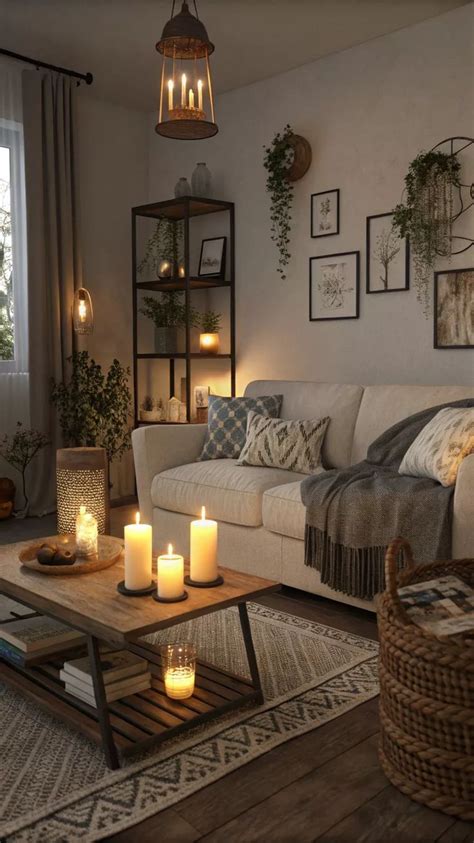
Renting a home comes with unique design challenges, primarily the need for flexibility and non-permanent modifications. At a major home decor liquidation event, renters should focus on items that add personality and warmth without requiring permanent installation. Versatile accessories like statement mirrors, decorative area rugs, and plug-in wall sconces can completely transform a bland rental unit and easily move with you to your next address.
Textiles represent another high-value category for renters looking for immediate visual impact. High-end throw pillows, textured blankets, and curtain panels are frequently marked down significantly during inventory clear-outs. These soft furnishings allow you to experiment with current color palettes and layered textures, softening sterile white walls and establishing a cozy atmosphere that feels genuinely personal.
Investment Pieces for Homeowners: Long-Term Value and Quality

Homeowners attending the sale have the distinct advantage of permanent floor space, allowing them to invest in larger, structural furniture pieces. Solid wood bookcases, accent chairs, dining sets, and durable storage cabinetry represent smart purchases that will anchor a room for years. Because liquidation sales slash prices on well-crafted manufacturer samples and overstock items, you can often secure heirloom-quality pieces at a fraction of their original cost.
When shopping for long-term investments, prioritize timeless silhouettes and neutral foundations over trendy, fast-fashion aesthetics. A classic leather armchair or a robust oak coffee table can adapt to shifting interior design trends through simple updates to smaller accessories. Assessing the construction quality—such as checking joint stability, drawer glides, and upholstery durability—ensures that your discounted furniture purchase stands up to daily household use.
Essential Shopping Checklist and Practical Rules of Engagement
Entering a high-stakes liquidation sale without preparation often leads to buyer’s remorse or missed opportunities. Before stepping foot into the Wichita sale venue, take precise measurements of your rooms, doorways, and stairwells to ensure your prospective finds will actually fit through your home’s entry points. Having a dedicated tape measure, a notepad, and a realistic budget list helps keep your focus sharp amid the sensory overload of a crowded warehouse floor.
Finally, establish clear logistical arrangements before loading up your vehicle. Large furniture pieces require adequate hauling capacity, and relying on impromptu arrangements can lead to missed deals if items cannot be transported immediately. Check whether the event organizers offer local delivery services or if you will need to coordinate a truck rental. Balancing enthusiasm with careful logistical planning ensures a smooth shopping experience and a successful home refresh.
Frequently Asked Questions
When and where is Wichita’s final home decor sale taking place?
Specific dates and venue addresses for major local liquidation events are typically announced through regional marketing channels and local event boards. Shoppers should check local event listings or community bulletin boards immediately prior to the sale weekend to confirm operating hours and exact parking instructions.
Are all items at the liquidation sale final purchase?
Yes, most liquidation and final-clearance sales operate under a strict all-sales-final policy. It is critical to inspect furniture, glassware, and electronics for any defects, scratches, or missing hardware before bringing them to the checkout counter, as returns are rarely accepted.
What is the best time to arrive for the biggest discounts?
Opening day typically offers the largest selection of unique furniture and high-demand accent pieces. Conversely, the final days of the event feature the lowest clearance prices, though remaining inventory may be limited to specific categories or floor models with minor wear.
How can renters ensure their purchases will work in future homes?
Renters should focus on modular furniture, versatile accent tables, lighting, and textiles that can adapt to different room layouts and color schemes. Avoid oversized, built-in, or customized structural items that are tailored strictly to one specific architectural footprint.