When planning an extended outdoor excursion with a large household, standard single-space shelters often fall short on privacy and organization. For American families heading out to state parks, national forest service sites, or even setting up an elaborate weekend camp in the backyard, finding the right balance of communal gathering space and private sleeping quarters is essential. This is where specialized multi-room shelters enter the picture, offering a distinct architectural layout designed to mimic the functional zones of a permanent home while maintaining the adventurous spirit of outdoor living.
Evaluating whether a sprawling shelter fits your lifestyle requires looking closely at how interior partitions function, how much physical space the packed structure consumes in your vehicle, and how easily your household can manage pitching such a large canvas cabin. By breaking down the structural design and logistical realities, families can determine if an expansive multi-room setup will enhance their recreational getaways or introduce unexpected complications.
Anatomy of a 4-Room Tent: 3 Bedrooms and 1 Living Room
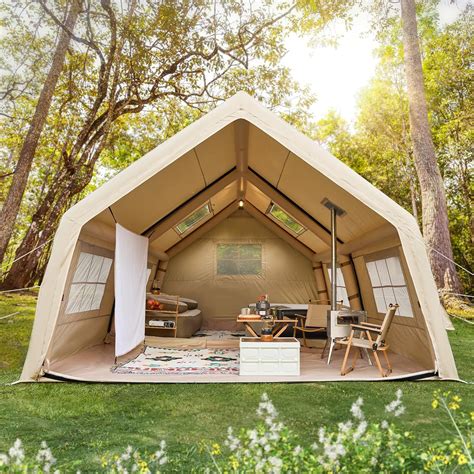
The defining characteristic of an extra-large multi-room shelter is its compartmentalized interior geometry. Typically built in a cabin style with near-vertical walls to maximize headroom, these structures divide the floor plan into four distinct zones. Three separate sleeping cabins branch off from a central communal foyer or living room, creating a layout that resembles a miniature suburban ranch home under canvas.
The central living room acts as the social heart of the temporary dwelling. It provides ample standing height, making it easy to change clothes, coordinate daily itineraries, or store gear bins out of the morning dew. Flanking this central area, the three private bedrooms can be zipped shut to isolate sleeping zones. This architecture allows parents to have their own private retreat while children or other family members occupy the adjacent rooms, all while sharing a common indoor hangout space when weather turns inclement.
Balancing Privacy and Shared Family Space
Achieving harmony on multi-day camping trips often hinges on personal space. Traditional tent designs force everyone into a single communal floor where sleeping bags touch and early risers inevitably disturb late sleepers. A three-bedroom configuration solves this friction point by establishing clear boundaries without requiring separate individual tents, which can scatter family members across a crowded campground.
The central living area also serves as a crucial staging ground for equipment, board games during rainy afternoons, or simply a shaded zone to escape the midday sun. However, buyers should weigh the trade-offs: while individual rooms offer privacy, the interior dividing walls can sometimes restrict airflow if not properly managed with mesh panels and adjustable rainfly vents. Prioritizing models with robust mesh integration ensures that privacy does not come at the cost of stuffy sleeping quarters.
Assessing Size, Weight, and Transport for U.S. Vehicles
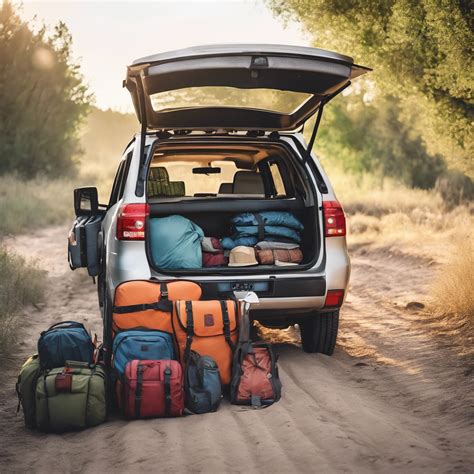
Before committing to an expansive multi-room shelter, homeowners and renters must consider the logistical footprint involved in hauling such gear. These structures are heavy, frequently weighing between forty and seventy pounds, and pack down into substantial duffels that occupy significant trunk or truck-bed space. Packing for a family trip requires careful Tetris-style arrangement alongside coolers, sleeping pads, and kitchen supplies.
Furthermore, U.S. campgrounds vary wildly in their pad dimensions. While private campgrounds and modern state park reservable sites often feature large gravel or paved pads, older national park loops can feature tighter, tree-lined boundaries. A sprawling cabin footprint may occasionally exceed standard pad limits or require careful angle placement to ensure guy lines do not obstruct neighboring pathways or vehicle access lanes.
Logistical Planning for Storage and Vehicle Loading
Transporting a shelter of this magnitude means evaluating your vehicle’s payload capacity and roof rack options. If your trunk is already filled with bicycles, camp kitchen gear, and luggage, adding a bulky tent bag might necessitate investing in a rooftop cargo box or a hitch-mounted cargo carrier to maintain safe rear visibility.
Post-trip maintenance is another critical factor often overlooked during the initial purchase excitement. Large canvas and polyester cabins require thorough drying before long-term storage in a garage or basement to prevent mold growth during humid U.S. summers. Unpacking and airing out the fabric in a driveway or backyard after a wet weekend trip is a non-negotiable routine for preserving the lifespan of your investment.
Weather Resistance and Setup Practicality
Cabin tents with multiple rooms rely on extensive steel or fiberglass pole networks to maintain their structural integrity. While this framework provides glorious standing height and stability, it also means that pitching the shelter is a multi-person chore. Coordinating color-coded poles and sleeve systems requires patience and teamwork, making a backyard dry run before your first official trip an invaluable exercise.
When confronting diverse American climates—from sudden Midwestern thunderstorms to breezy coastal evenings—proper staking and guy-line tensioning are paramount. The high-profile walls of multi-room tents act as wind sails, meaning that ignoring storm-guy lines can lead to structural flexing. Selecting a model with a high hydrostatic head waterproof rating and a fully sealed bathtub floor ensures your family remains dry and comfortable regardless of unexpected atmospheric mood swings.
Frequently Asked Questions
Can a 4-room tent be set up by a single person?
Due to the sheer size, complex pole structure, and wide footprint of a 3-bedroom plus 1-living-room tent, attempting a solo setup is extremely difficult and frustrating. It is strongly recommended to have at least two adults pitch the shelter to manage the poles and prevent frame bending.
Will a large multi-room tent fit in standard U.S. state park campsites?
Most modern state and private campgrounds can accommodate these large footprints, but some older national park sites have tight spatial restrictions. Always check the specific tent pad dimensions listed on reservation platforms like Recreation.gov before booking your site.
How do these large cabin tents handle heavy rain and wind?
High-quality multi-room tents handle normal rain and wind well if they feature robust waterproof ratings, full-coverage rainflies, and properly secured guy lines. However, because of their vertical walls, they are more susceptible to high wind gusts than low-profile dome tents and require meticulous staking.
What is the best way to clean and store a multi-room tent after camping?
Always pitch the tent in your yard to let it dry completely if it was packed away damp. Use a mild soap and a soft sponge to wipe down dirty spots, ensure all components are completely moisture-free, and pack them loosely in breathable storage bags.


