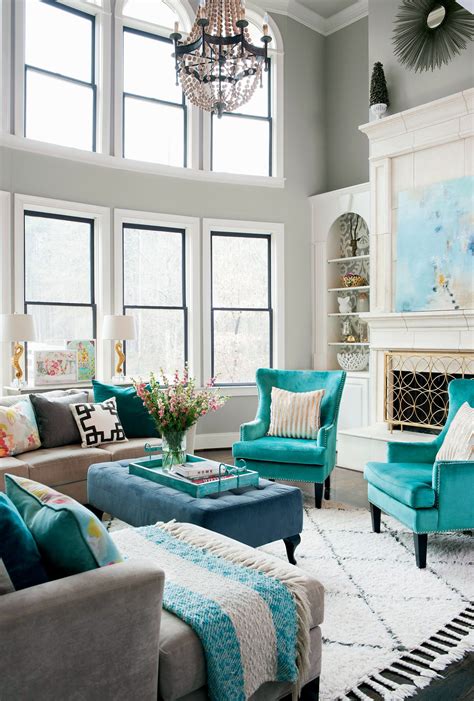
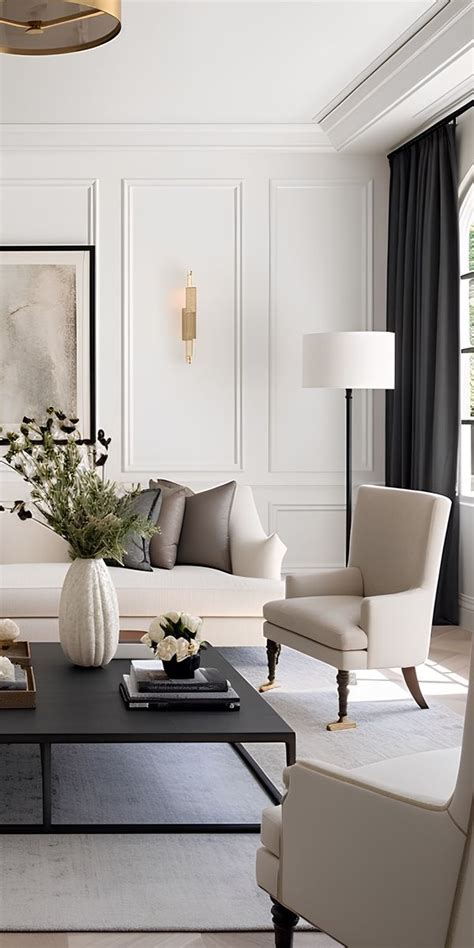
Embarking on a living room renovation is an exciting milestone, but understanding the financial commitment involved is essential before swinging any hammers or ordering furniture. Across the United States, living room remodel costs fluctuate widely depending on regional labor markets, material choices, and the structural scope of the project. Whether you are planning a complete overhaul with custom built-ins and new flooring or simply refreshing an apartment with paint and textiles, establishing a realistic budget protects you from unexpected financial stress.
Rather than relying on vague estimates, homeowners and renters benefit from breaking down expenses into distinct categories such as labor, materials, permits, and contingency funds. By examining real-world pricing structures and prioritizing upgrades that deliver the highest visual and functional impact, you can design a comfortable gathering space that aligns seamlessly with your financial reality.
Average Cost Ranges for U.S. Living Room Remodels
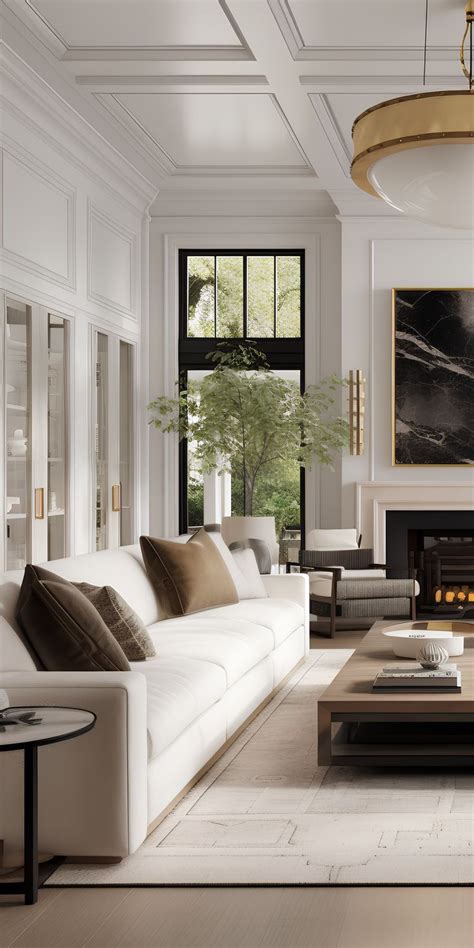
In the United States, a standard living room remodel typically ranges anywhere from $1,500 for minor cosmetic updates to $25,000 or more for an extensive, high-end structural transformation. On a national average, most homeowners spend between $5,000 and $15,000 for a mid-range project that includes new flooring, updated lighting fixtures, fresh paint, and modest furniture replacements. These figures serve as a helpful baseline, but your actual expenses will depend heavily on the square footage of the space and whether you hire licensed professionals for every phase of the work.
Regional variations play a massive role in final pricing. Labor rates in major metropolitan areas like New York, San Francisco, or Chicago are significantly higher than national averages, often increasing total project costs by 20 to 40 percent. Conversely, smaller towns and rural areas across the Midwest or South generally feature lower contractor rates, making your renovation budget stretch further. Factoring in your specific geographical location is the first critical step in building an accurate project forecast.
Cost Breakdown by Project Scope
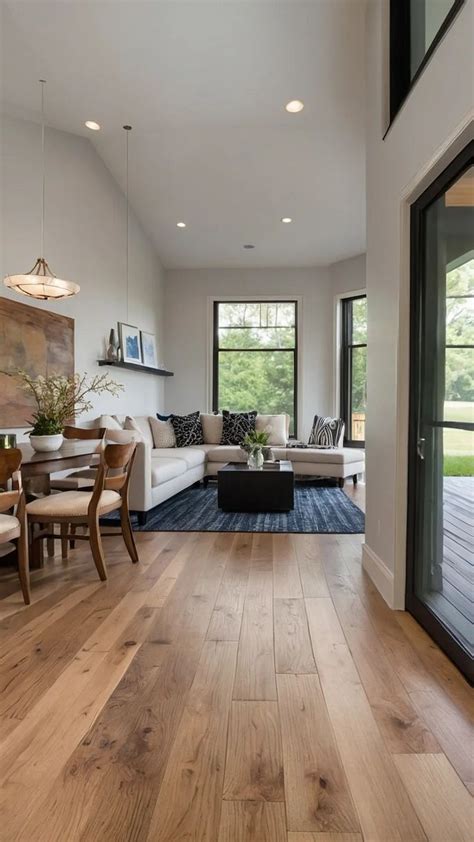
Defining the scope of your living room renovation helps prevent scope creep and keeps your spending targeted. Projects are generally categorized into three distinct tiers: cosmetic, mid-range, and high-end. Each tier carries entirely different cost implications and labor requirements.
Cosmetic Updates
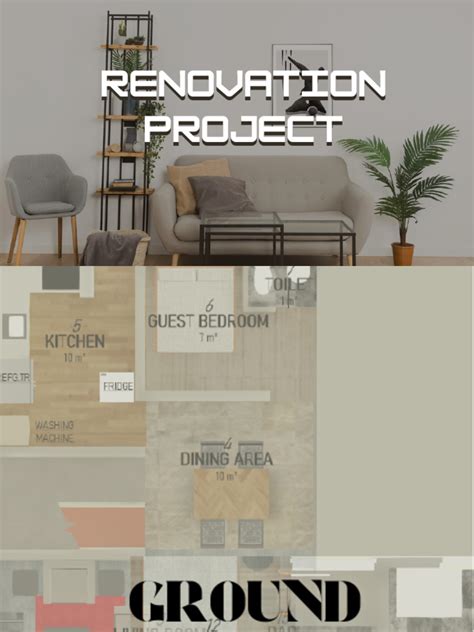
Cosmetic refreshes generally cost between $500 and $2,500 and focus entirely on surface-level aesthetics rather than structural changes. This tier includes painting walls, swapping out throw pillows and window treatments, installing peel-and-stick accent wallpaper, and adding new decorative lighting. Because these tasks rarely require specialized trade labor, they are exceptionally DIY-friendly, allowing budget-conscious homeowners and renters to dramatically alter the mood of a room with minimal financial investment.
Mid-Range Renovations
Mid-range projects typically run from $3,000 to $12,000 and involve replacing major elements like flooring, upgrading baseboards and crown molding, and installing recessed lighting or a modern ceiling fan. Homeowners at this level frequently invest in durable mid-tier furniture pieces such as a quality sofa or media console. This scope often requires hiring professionals for specialized tasks like electrical wiring or flooring installation to ensure proper craftsmanship and adherence to local building codes.
High-End Custom Transformations
High-end remodels start around $15,000 and can easily exceed $30,000 for large spaces. This comprehensive level of renovation includes architectural modifications such as removing load-bearing walls, building custom floor-to-ceiling entertainment centers, installing high-end hardwood or natural stone flooring, and integrating smart home automation systems. These projects rely heavily on interior designers, licensed general contractors, and specialized artisans to deliver a bespoke, polished finish.
Material and Labor Expense Factors
When budgeting for a living room upgrade, understanding the division between material expenses and labor costs is vital for accurate forecasting. Generally, labor accounts for roughly 30 to 50 percent of a professional contractor’s total quote, depending on the complexity of the installation. For example, laying standard carpet is relatively quick and inexpensive in labor, whereas installing intricate herringbone hardwood flooring demands expert precision and significantly higher labor hours.
Material selections also dictate the overall financial trajectory of the project. Choosing solid wood flooring over luxury vinyl plank, or opting for custom millwork instead of modular shelving units, can double or triple material expenses. When evaluating your options, balance upfront material costs with long-term durability and maintenance requirements to ensure your investment stands the test of time.
Hidden Costs and Contingency Planning
One of the most common pitfalls in home remodeling is failing to account for hidden expenses. Older U.S. homes, in particular, often harbor surprises behind drywall or beneath old floorboards, such as outdated electrical wiring, mold, water damage, or uneven subfloors that require remediation before new finishes can be applied. Ignoring these foundational issues compromises the safety and longevity of your remodel.
To safeguard your finances, experts strongly recommend setting aside a contingency fund equal to 15 to 20 percent of your total estimated budget. If your projected renovation cost is $10,000, keep an extra $1,500 to $2,000 strictly designated for unforeseen repairs, unexpected permit fees, or sudden price fluctuations in building materials. If you complete the project without touching the contingency fund, you can reallocate those savings toward final decor touches.
Remodeling Strategies for Renters

Renters face unique limitations when updating a living room, as permanent alterations are typically prohibited by lease agreements. However, enhancing your living space without losing your security deposit is entirely possible with strategic, non-permanent choices. Focus your budget on modular furniture, freestanding storage units, high-impact area rugs, and renter-safe lighting solutions like plug-in wall sconces and stylish table lamps.
Temporary aesthetic upgrades can make a rented living room feel customized and deeply personal. Removable wallpaper, tension-rod curtain hangings, and adhesive art strips allow you to infuse personality into a sterile apartment layout without violating your lease. When you eventually move, you can take many of these investment pieces with you, making renter-friendly decor both a practical and financially sound approach.
Frequently Asked Questions
How much does a living room remodel typically cost in the U.S.?
A standard living room remodel in the U.S. generally ranges from $1,500 for minor cosmetic updates to over $25,000 for high-end custom renovations. Most homeowners spend between $5,000 and $15,000 for a mid-range project involving new flooring, paint, lighting, and updated furniture.
What factors influence the overall price of a living room renovation?
Key cost factors include the square footage of the room, regional labor rates, the quality of materials selected, and whether you hire professional contractors or complete the work yourself. Structural changes and electrical work also increase expenses significantly.
How much should I set aside for unexpected expenses?
It is best to set aside a contingency fund of 15 to 20 percent of your total estimated project budget. This covers hidden issues like outdated wiring, subfloor repairs, or unexpected material price increases.
What are the most cost-effective upgrades for a living room?
Applying a fresh coat of paint, updating throw pillows and textiles, rearranging furniture for better flow, and installing DIY-friendly peel-and-stick wallpaper or modern lighting fixtures offer high visual impact at a low cost.
Can renters meaningfully update a living room on a budget?
Yes, renters can transform their living spaces by focusing on non-permanent updates such as area rugs, modular furniture, freestanding shelving, plug-in lighting, and removable wall treatments that do not violate lease agreements.