When designing a welcoming living space, homeowners increasingly look beyond mass-produced minimalism to find pieces that carry a sense of history and human touch. Pottery-inspired living room furniture offers an ideal solution, translating the tactile appeal, organic curves, and rich glazes of traditional earthenware into functional home furnishings. This design movement focuses on bringing the grounding energy of clay and ceramic art into everyday seating, tables, and accent pieces, creating interiors that feel both curated and deeply comforting.
Rather than feeling cold or overly clinical, a room styled around ceramic and earthenware influences embraces asymmetry and warmth. By integrating furniture with soft, rounded profiles and matte, chalky finishes, you can transform a standard suburban living room or city apartment into a sanctuary of calm. Understanding how to select and balance these distinct artisan-style elements ensures your home remains entirely functional for daily life while reflecting a sophisticated appreciation for craft.
Defining Characteristics of Pottery-Inspired Design
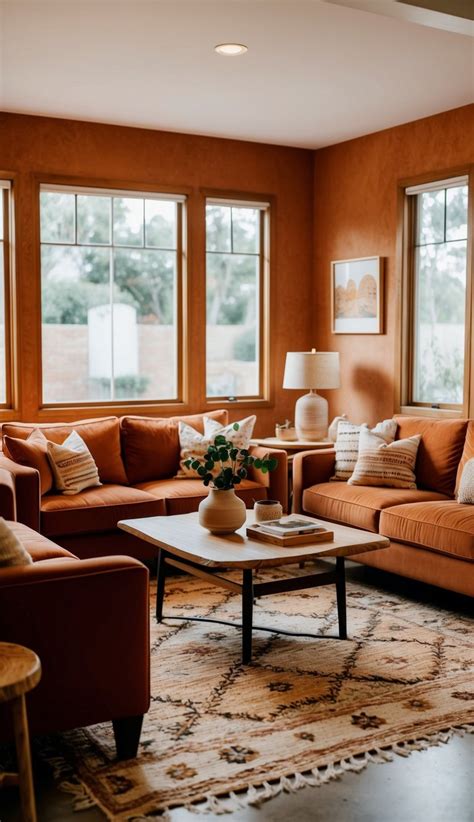
The core of this aesthetic lies in its celebration of natural materials and organic imperfection. Furniture and accents in this category typically feature rounded silhouettes, heavy silhouettes reminiscent of hand-thrown vessels, and surfaces that invite touch. Instead of sharp 90-degree angles and high-gloss polishes, expect to see drum tables with ribbed textures, pedestal bases resembling amphorae, and finishes that mimic unglazed terra cotta, travertine, or raw bisque.
Color palettes are inherently grounded in the earth, drawing inspiration from mineral deposits, dried clay, sand, and oxidized metals. Warm ochres, deep rusts, soft creams, and muted charcoal shades dominate, providing an antidote to stark white interiors. These hues create an immediate sense of shelter and coziness, which makes them particularly well-suited for American living rooms that experience varying seasonal light throughout the year.
Key Furniture Pieces to Transform Your Space
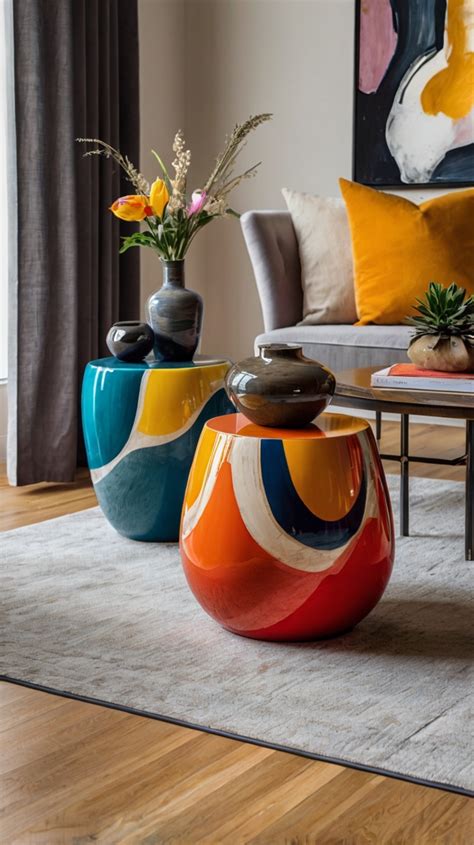
Introducing this trend does not require swapping out every item in your home. Instead, focus on a few standout statement pieces that anchor the room. Ceramic-accented coffee tables, featuring tiled tops or sculptural ceramic bases supporting solid wood or glass surfaces, serve as brilliant focal points. They combine the utility of traditional furniture with the visual interest of fine art sculpture, sparking conversation the moment guests enter the room.
Sculptural side tables and accent stools offer another accessible entry point into the trend. A drum-shaped side table finished in a matte, crackle glaze can sit next to a clean-lined modern sofa, instantly bridging the gap between contemporary comfort and ancient craftsmanship. Upholstered seating also plays a role, with curved armchairs and sofas wrapped in boucle, heavy linen, or textured wool that visually echoes the soft, fibrous quality of woven baskets paired with pottery collections.
Balancing Artisanal Aesthetics with Family-Friendly Living
One common concern when incorporating ceramic or delicate-looking furniture into a U.S. home is durability, especially in households with children or pets. Fortunately, many manufacturers achieve the pottery look using advanced composite materials, sealed concrete, or durable kiln-fired resins that offer the visual weight and texture of raw clay without the extreme fragility. This means you can enjoy the artisan aesthetic without constantly worrying about everyday wear and tear.
To maintain visual harmony, pair these heavy, textured pieces with lighter elements such as sheer window treatments, woven jute rugs, and slim metal lighting fixtures. This contrast prevents the room from feeling heavy or cave-like. By anchoring heavy ceramic-inspired tables with airy surrounding decor, you create a balanced, layered environment that feels intentionally designed, highly functional, and rich with authentic character.
Frequently Asked Questions
What is pottery-inspired living room furniture?
Pottery-inspired living room furniture refers to pieces that mimic the organic shapes, tactile textures, and earthy color palettes of traditional ceramics and earthenware. This includes items with rounded, vessel-like silhouettes, matte or reactive glazes, and structural elements reminiscent of hand-thrown clay.
How can I incorporate this trend without replacing all my furniture?
You can easily adopt this trend through smaller accent pieces rather than a complete room overhaul. Add a ceramic-based side table, swap out throw pillows for ones in terracotta and clay tones, or display sculptural earthenware accessories on existing shelving.
Are ceramic and stone-textured coffee tables durable for daily use?
Yes, many modern pottery-inspired tables utilize sealed concrete, durable resin composites, or protected tile surfaces that replicate the look of raw clay while standing up well to daily living room activities and routine cleaning.


