A living room transformation is rarely just about slapping on a new coat of paint or buying trendy accent pillows. True transformation happens when a space overcomes its architectural awkwardness, dark corners, and inefficient layouts to finally serve the daily lifestyle of the people living inside it. Across the United States, homeowners and apartment renters constantly grapple with tight footprints, dated finishes, and challenging natural light conditions that make gathering spaces feel uninspired.
Reviewing real before-and-after stories provides an invaluable look into how design challenges are solved practically without relying on endless budgets. By breaking down the actual struggles, spatial decisions, and finished outcomes of living room makeovers, you can uncover reliable strategies to apply to your own home project, whether you own a historic suburban colonial or rent a compact urban apartment.
Case Study One: Overcoming Awkward Proportions in a Mid-Century Suburban Ranch

In many mid-century ranch homes common across the American Midwest and West, the primary living area suffers from a long, narrow layout with a heavily underutilized focal point. The initial state of this specific living room featured heavy dark-wood paneling, a massive red-brick fireplace that dominated the entire side wall, and an awkward traffic path that ran straight through the middle of the conversation area, making furniture arrangement frustratingly difficult.
To solve the flow issue, the design approach shifted away from trying to force traditional oversized furniture against the walls. Instead, the homeowners floated a low-profile sectional away from the perimeter, creating a dedicated pathway behind the seating zone. They also painted the heavy brick fireplace a warm, creamy off-white to instantly reflect natural light while maintaining the home’s architectural texture.
Key Takeaways from the Ranch Makeover
Floating furniture in narrow or long living rooms completely changes how a space functions, proving that pushing every sofa against a wall is a common mistake that actually shrinks usable floor area. By prioritizing clear circulation paths, the room instantly gained a more expansive, breathable feel.
Furthermore, neutralizing dark, dated finishes with light matte paint maintains historical character while neutralizing visual heaviness. This strategy delivers dramatic visual impact without requiring structural demolition or expensive architectural rebuilds.
Case Study Two: Maximizing Light and Function in a Compact City Apartment
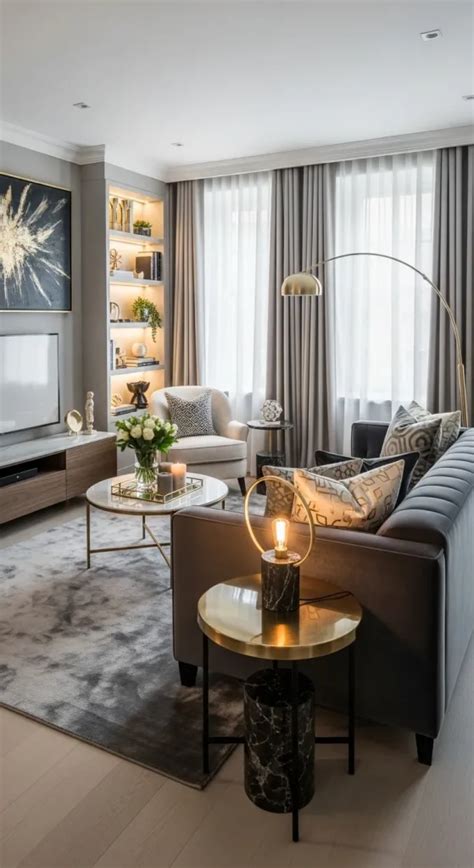
Urban renters and condo owners frequently face the challenge of small footprints combined with limited window exposure. A second noteworthy transformation highlights a third-floor apartment in Chicago where heavy velvet drapes, dark gray walls, and bulky matching furniture sets resulted in a cave-like atmosphere that felt cramped during overcast winter months.
The transformation hinged on an intentional lighting and color overhaul. The walls were repainted in a crisp, light-reflecting warm white, and heavy window treatments were replaced with sheer linen panels that maximize natural daylight. Furniture was swapped for multi-functional pieces, including a slim-profile sofa on exposed wooden legs and nesting coffee tables that can be easily tucked away when floor space is needed.
Lighting Overhauls and Layered Illumination
A frequent error in small living room makeovers is relying solely on a single overhead ceiling light fixture. This makeover introduced layered lighting by combining a statement arc floor lamp, adjustable wall sconces that saved valuable surface space, and warm ambient table lighting.
Layering illumination at different heights eliminates harsh shadows and visually expands the perimeter of the room, making a compact apartment living area feel remarkably open, airy, and inviting throughout the evening hours.
Practical Guidelines for Planning Your Own Living Room Makeover
Embarking on a living room transformation requires careful sequencing to avoid wasted money and unnecessary frustration. Begin by assessing your room’s natural light cycle at different times of day to understand how shadows move across your space, which will directly inform your paint and fabric color selections.
Next, establish a realistic budget that prioritizes permanent or high-impact elements like flooring, lighting fixtures, and primary seating before allocating funds to decorative accessories. Taking time to map out your floor plan using painter’s tape on the floor ensures that every new furniture purchase fits comfortably without blocking doorways or windows.
Frequently Asked Questions
How can I make a dark living room feel brighter without major renovations?
To brighten a dark living room without structural changes, replace heavy drapes with sheer window treatments, paint walls and ceilings in light-reflecting warm whites, and introduce layered lighting through floor lamps and wall sconces. Adding large mirrors opposite windows will also bounce natural daylight deeper into the space.
What is the biggest mistake to avoid when arranging a living room layout?
The most common mistake is pushing all furniture against the walls, which creates a hollow center and awkward traffic patterns. Floating your seating arrangement, even slightly away from the perimeter, establishes a more intimate conversation area and improves overall room flow.
How do I choose the right paint finish for high-traffic living room walls?
For most living room walls, an eggshell or satin finish provides the ideal balance. These finishes offer a subtle, sophisticated sheen while remaining easy to wipe clean of everyday scuffs, fingerprints, and dust compared to flat or matte paints.
Are cosmetic living room updates worth doing before a full renovation?
Yes, cosmetic updates such as new paint, updated lighting fixtures, modern hardware, and fresh textiles can dramatically alter the look and feel of a space at a fraction of the cost. These changes often satisfy your design goals immediately while you save up for larger structural projects.


