Designing a living space that feels both sophisticated and genuinely livable requires balancing architectural reality with personal style. Across the United States, living rooms range from compact urban high-rise apartments in New York and Chicago to sprawling open-concept suburban ranches in Texas and split-level homes in the Midwest. Addressing these varied footprints means looking beyond generic design trends and focusing on layout intelligence, functional zoning, and curated material choices.
Whether you are renting a historic brownstone or updating a suburban family home, integrating thoughtful design choices transforms daily routines. The following comprehensive collection of 45 ideas focuses on creating cohesive color palettes, optimizing awkward traffic flows, and layering textures to build an inviting atmosphere tailored to contemporary American lifestyles, ensuring every square foot works efficiently for your household.
Foundation and Layout Strategies for American Floor Plans
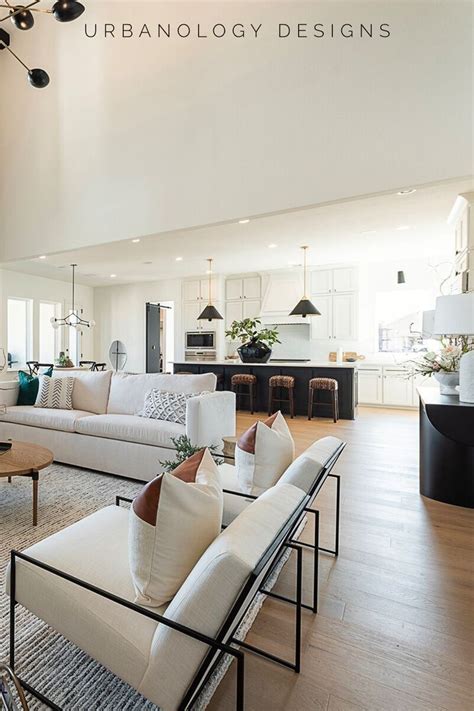
Open-concept layouts remain a hallmark of modern American residential architecture, offering a wonderful sense of scale but often presenting challenges with spatial definition. Without walls to naturally separate functions, furniture must act as the primary architectural boundary. Establishing conversation areas that float away from perimeter walls helps anchor expansive rooms, preventing furniture from hugging every corner and leaving cavernous dead space in the center.
For smaller apartments and townhouses, the approach shifts toward vertical optimization and multi-functional anchor pieces. Utilizing slim-profile sectionals or modular seating arrangements allows urban residents to maximize seating capacity without completely blocking natural light sources from large picture windows. Defining pathways through careful rug placement ensures that foot traffic flows naturally without disrupting relaxation zones, creating distinct zones for watching television, reading, or entertaining.
Modern Minimalist and Transitional Concepts (1 to 15)
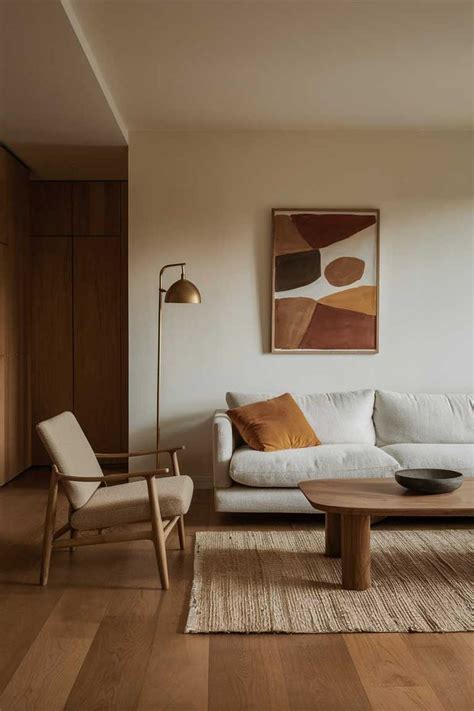
Streamlined silhouettes and uncluttered surfaces form the backbone of modern minimalist design, but American homes benefit immensely from softening these clean lines with transitional warmth. Incorporating warm woods, brushed brass fixtures, and tactile fabrics prevents minimalist spaces from feeling sterile or unapproachable during colder winter months. Below are fifteen foundational ideas that blend sleek architecture with approachable comfort.
- 1. Low-Profile Sectionals: Opt for neutral performance fabrics that stand up to daily family use while maintaining a sleek profile.
- 2. Monochromatic Layering: Combine varying shades of cream, taupe, and warm gray to create depth without relying on loud accent colors.
- 3. Architectural Lighting: Install sculptural floor lamps and minimalist flush mounts to anchor high ceilings typical of newer constructions.
- 4. Hidden Storage Consoles: Keep media clutter out of sight with custom or modular media cabinets featuring clean flat-panel doors.
- 5. Oversized Abstract Canvas: Hang a single, large-scale piece of artwork to instantly create a sophisticated focal point above the sofa.
- 6. Built-In Floating Credenzas: Maximize floor expanse by anchoring low-profile wooden storage units directly to drywall studs.
- 7. Travertine Coffee Tables: Introduce natural porous stone surfaces to add organic texture and architectural weight to the room center.
- 8. Minimalist Metal Railings: Replace ornate stair balusters with clean black iron posts in split-level homes for a unified look.
- 9. Track Lighting Systems: Direct adjustable spotlights toward architectural brick or stone feature walls for gallery-style illumination.
- 10. Recessed TV Niches: Flush-mount flat-screen displays into custom millwork to eliminate bulky visual protrusions.
- 11. Linear Fireplace Surrounds: Clad modern gas fireplaces in large-format porcelain tiles or smooth concrete panels.
- 12. Asymmetrical Layouts: Balance a heavy sofa on one side with a pair of lightweight accent chairs and a tall floor plant on the other.
- 13. Pocket Doors: Utilize sleek sliding interior doors to close off the living area when privacy is desired in open floor plans.
- 14. Recessed Floor Outlets: Install discrete power sources in the middle of conversation areas to eliminate sprawling extension cords.
- 15. Continuous Hardwood Flooring: Run wide-plank white oak flooring seamlessly through adjoining spaces to amplify visual continuity.
Transitioning toward a warmer aesthetic also involves integrating organic elements like ceramic vessels and hand-knotted wool rugs. These materials introduce subtle imperfections that ground the room and make modern architecture feel deeply personal and lived-in.
Urban Apartments and Cozy Suburban Nooks (16 to 30)
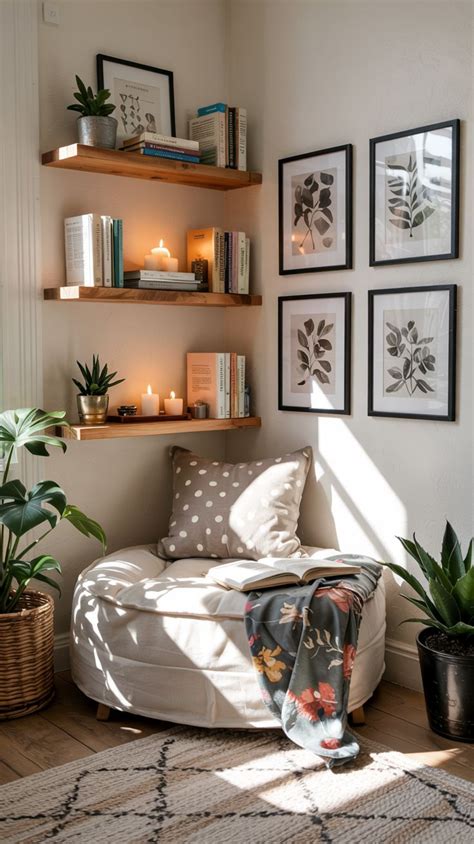
Living in high-density urban centers often means working with limited square footage and strict rental lease guidelines. Clever spatial tricks—such as hanging mirrors opposite light sources, utilizing vertical shelving units, and choosing glass-topped coffee tables—visually expand cramped quarters without making permanent alterations. Suburban homes face the opposite challenge: filling vast corners and cozying up cavernous rooms with inviting details.
- 16. Floating Media Shelves: Free up floor space by mounting entertainment units directly to the drywall.
- 17. Nesting Coffee Tables: Pull apart modular tables when entertaining and tuck them away when floor space is needed.
- 18. Dual-Purpose Seating: Incorporate storage ottomans that double as extra seating or impromptu footrests.
- 19. Vertical Plant Displays: Bring nature indoors using hanging planters and tall, slender fiddle-leaf figs that draw the eye upward.
- 20. Sconce Lighting: Use plug-in wall sconces to save valuable surface space on narrow end tables.
- 21. Corner Reading Nooks: Transform neglected corners into cozy reading spots with an ergonomic armchair and dedicated task lighting.
- 22. Built-In Bookshelves: Frame living room windows with floor-to-ceiling shelving to display book collections and personal artifacts.
- 23. Window Seat Benches: Build custom storage benches beneath deep window sills for casual seating and extra blanket stowing.
- 24. Scale-Appropriate Scale Art: Group small framed prints in a tight grid to fill awkward narrow wall segments.
- 25. Mirrored Accent Panels: Reflect natural light into dark apartment corridors by mounting full-length mirrors behind accent furniture.
- 26. Slim Console Tables: Position narrow sofa tables behind freestanding couches to hold lamps and daily essentials.
- 27. Room-Dividing Bookshelves: Use open-backed shelving units to delineate living and dining zones in loft apartments.
- 28. Ottoman Trays: Place sturdy wooden or leather trays on soft ottomans to create stable drink surfaces.
- 29. Compact Swivel Chairs: Choose comfortable rotating chairs that allow residents to pivot between conversation circles and media screens.
- 30. Under-Window Radiator Covers: Convert functional heating units into stylish console shelving with decorative wooden grilles.
Introducing reading nooks with plush armchairs and layered textiles turns underutilized architectural dead space into favorite family retreats. This careful balancing act ensures that whether your home is compact or expansive, every square inch serves a clear purpose.
Statement Walls, Textures, and Finishing Touches (31 to 45)
The final layer of any successful living room design relies on texture, contrast, and intentional focal points. Relying solely on painted drywall can leave a room feeling flat; introducing vertical slat wood paneling, classic board and batten, or dramatic charcoal accent walls adds immediate architectural character to builder-grade interiors. These final touches complete the spatial narrative of your home.
- 31. Vertical Wood Slat Accent: Add warmth and acoustic dampening behind the primary media or sofa wall.
- 32. Statement Area Rugs: Choose high-pile wool or vintage-inspired distressed patterns to anchor furniture groupings.
- 33. Mixed Metal Finishes: Combine matte black hardware with warm brass or brushed nickel accents for a collected look.
- 34. Layered Throw Blankets: Drape chunky knit throws and linen blankets over seating for effortless seasonal transitions.
- 35. Curated Gallery Walls: Frame family photography and local art in cohesive, thin black frames for visual storytelling.
- 36. Limewash Paint Finishes: Apply textural mineral paint to create subtle, cloud-like movement on feature walls.
- 37. Oversized Ceramic Vases: Anchor empty floor corners or fireplace hearths with large terracotta vessels.
- 38. Statement Ceiling Beams: Install lightweight faux-wood beams to add rustic character to flat drywall ceilings.
- 39. Velvet Accent Pillows: Introduce rich jewel tones and soft tactile contrast through plush cushion covers.
- 40. Custom Drapery Rods: Hang curtain rods wider and higher than window frames to maximize natural light ingress.
- 41. Leather Accent Straps: Suspend wooden wall shelves or hanging mirrors using sturdy leather harness straps.
- 42. Woven Jute Baskets: Store extra throw pillows and heavy winter blankets in durable natural fiber hampers.
- 43. Antique Brass Accents: Scatter vintage decorative objects and candleholders across coffee tables for layered history.
- 44. Architectural Molding: Apply traditional picture frame wainscoting to elevate standard drywall into classic American styling.
- 45. Moody Ceiling Paint: Paint the ceiling a deep charcoal or navy tone to create an intimate, cocoon-like atmosphere.
Balancing these decorative elements ensures your living room remains functional, durable, and visually captivating. By selecting pieces that reflect both your daily lifestyle and design preferences, you create a space that feels authentically yours for years to come without feeling overly styled or impractical.
Frequently Asked Questions
How can I make a small American living room look larger and more elegant?
To maximize space in smaller rooms, choose furniture with exposed legs that allow light to pass underneath, hang floor-to-ceiling drapery to create the illusion of height, and keep the color palette light and monochromatic. Mirrored surfaces and multifunctional furniture also help reduce clutter and visually open up the layout.
What are the trending interior design styles for US homes right now?
Current trends favor warm transitional styles, modern organic interiors, and understated minimalism. Homeowners are increasingly blending clean architectural lines with organic textures like travertine, boucle fabrics, limewash paint, and natural woods to create comfortable, inviting spaces.
How do I choose a cohesive color palette for my living room?
Start with a neutral base for large investments like sofas and walls, then introduce secondary tones through rugs and window treatments. Finish by adding accent colors using smaller accessories such as throw pillows, art, and ceramics that can be easily updated seasonally.
What are budget-friendly ways to elevate an existing living room space?
You can significantly upgrade your room without a major remodel by swapping out outdated cabinet hardware, adding plug-in wall sconces for layered lighting, restyling coffee tables with books and trays, and hanging artwork in custom or thrifted oversized frames.


