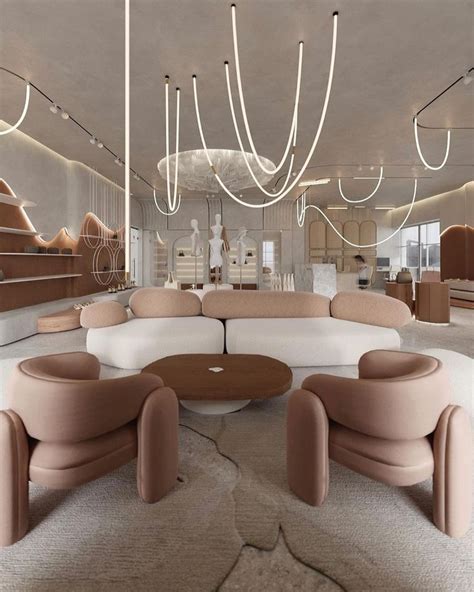
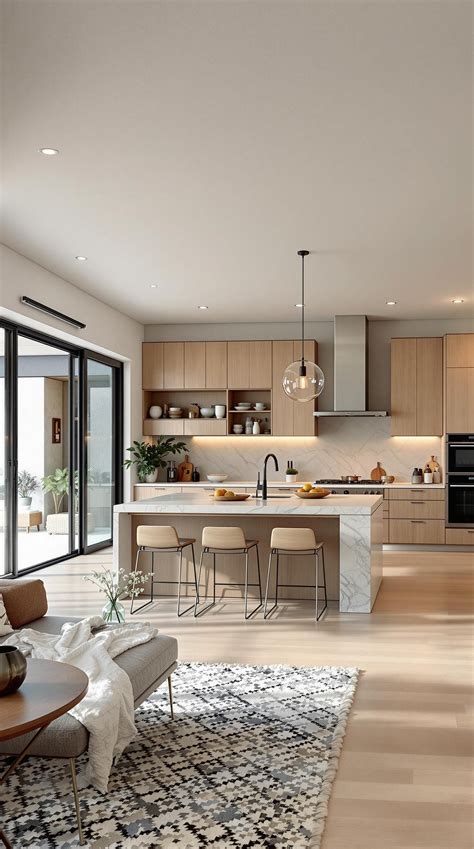
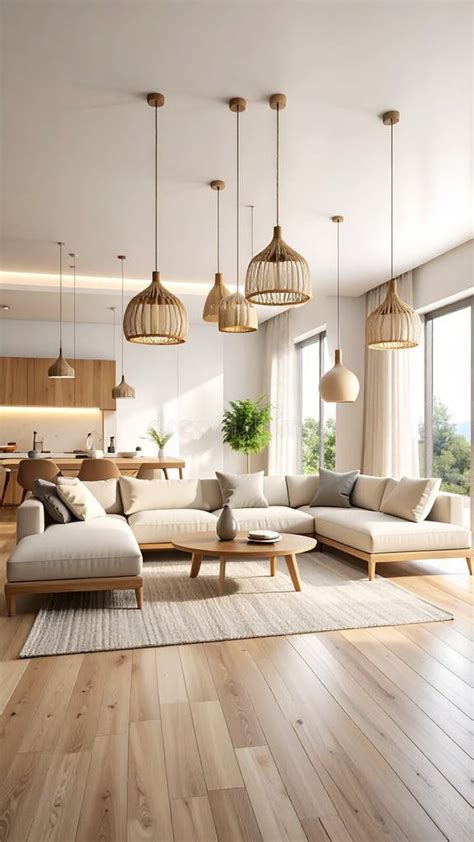
Designing a modern living room requires a careful balance between clean architectural lines and everyday livability. Across the United States, homeowners and renters alike look for ways to make their main gathering spaces feel open, intentional, and welcoming without sacrificing personal character. Modern design is often misunderstood as cold or purely minimal, but contemporary interiors actually embrace warmth, texture, and multi-functional layouts suited for modern lifestyles. Whether you are working with an expansive suburban open-plan layout or a compact urban apartment, updating your living room starts with understanding how furniture, lighting, and color work together harmoniously. Below, we explore 18 distinct modern living room styles that redefine spatial functionality and aesthetics, offering practical approaches that you can adapt to your own home while managing the trade-offs of different materials and layouts.
When planning your redesign, consider how natural light flows through your space and what architectural features you might want to highlight or soften. The following curated styles represent diverse interpretations of contemporary interior design, ranging from soft organic textures to bold industrial and monochromatic statements. Each approach provides specific criteria for selecting textiles, furniture silhouettes, and ambient lighting to ensure your living room remains both visually stunning and deeply comfortable for daily household activities.
1. The Warm Minimalist Sanctuary
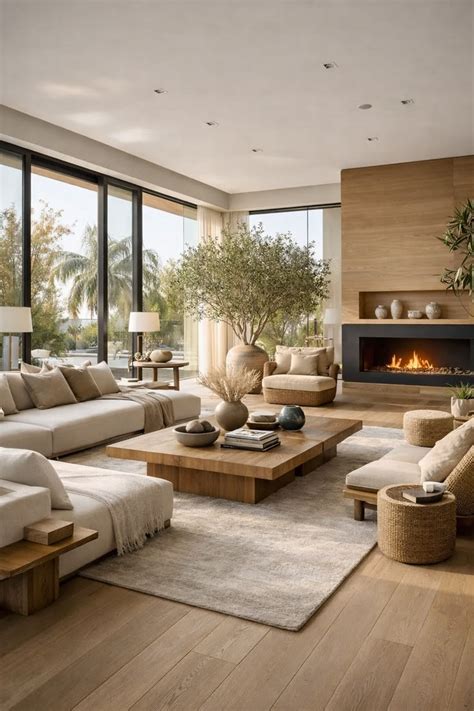
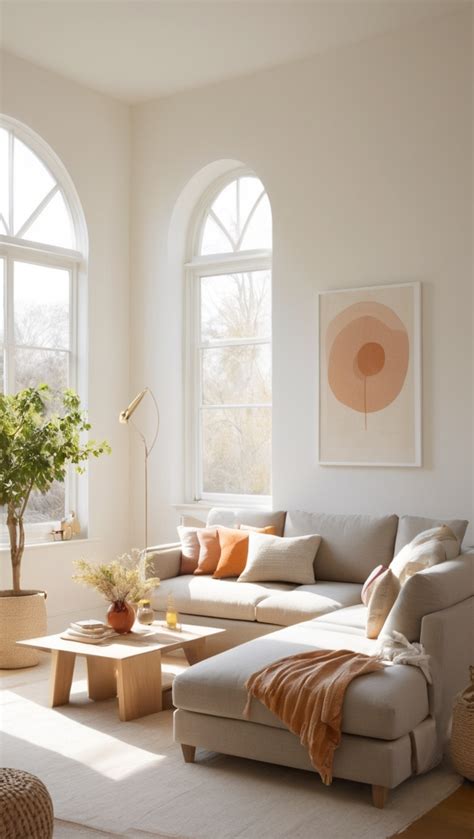
Warm minimalism strips away unnecessary clutter while intentionally introducing comforting textures that soften the entire envelope of the room. Instead of relying on stark white walls and sterile chrome finishes, this design philosophy utilizes soft cream plaster, brushed oak flooring, and tactile linen upholstery to build a genuinely soothing retreat. By paring down the inventory of decorative objects, every remaining item holds greater visual weight and significance within the floor plan.
To achieve this look successfully in a typical U.S. living room, focus on a monochromatic palette anchored by warm undertones rather than cool grays. Choose low-profile seating with rounded edges to keep visual sightlines completely open, which is especially beneficial in homes with modest ceiling heights. Keep decorative accessories to a curated minimum to prevent cognitive fatigue. This thoughtful approach transforms even a standard suburban room into a peaceful sanctuary that promotes relaxation after a long workday, though it does require disciplined storage habits to maintain the clean aesthetic.
2. Mid-Century Modern Revival
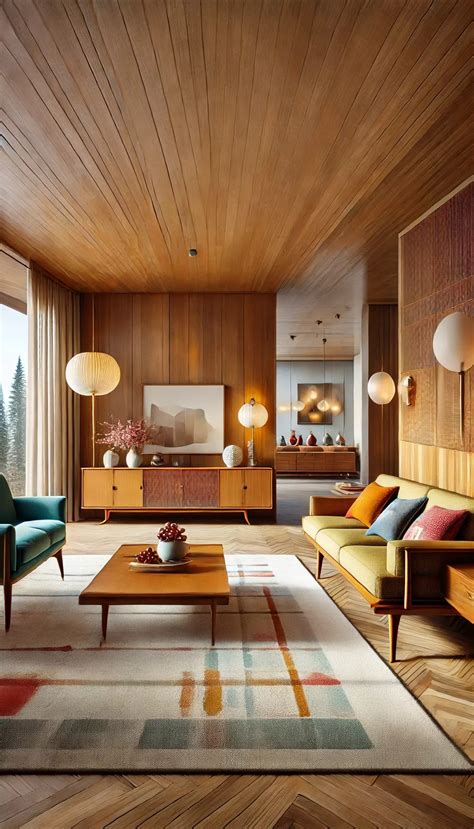
Mid-century modern design remains a perennial favorite in American interior design due to its celebration of organic shapes, tapered wooden legs, and functional craftsmanship that honors natural materials. Reinterpreting this classic aesthetic for today means pairing iconic furniture silhouettes with contemporary ambient lighting and neutral wall backdrops that prevent the space from feeling like a time capsule.
Consider anchoring your space with a streamlined walnut sofa paired with an accent chair featuring tweed or textured leather upholstery. Rather than overloading the room with vintage replicas, mix authentic retro pieces with modern abstract art and simple geometric rugs to create a layered look. This curated layering keeps the room feeling fresh, organic, and lived-in rather than stiff or curated solely for display. Pay attention to wood tones throughout the space; mixing different timber species can work wonderfully as long as the undertones complement one another.
3. Industrial Urban Chic
Drawing inspiration from converted city lofts and industrial warehouses, industrial modern living rooms celebrate raw architectural elements such as exposed brick, concrete flooring, and blackened steel fixtures. While these robust structural features are common in urban loft apartments, homeowners in suburban settings can easily replicate the aesthetic through strategic architectural finishes, faux paneling, or metal-framed room dividers.
Balance the inherent coolness of metal and concrete by introducing distressed leather seating, reclaimed wood coffee tables, and heavily textured wool area rugs that absorb sound. Large factory-style windows or black-framed glass partitions can further enhance the urban atmosphere, making the living space feel both edgy and sophisticated. The primary trade-off with this style is acoustic management; hard surfaces bounce sound easily, so incorporating heavy drapery and plush rugs is essential for maintaining a comfortable conversational environment.
4. Organic Modern Living
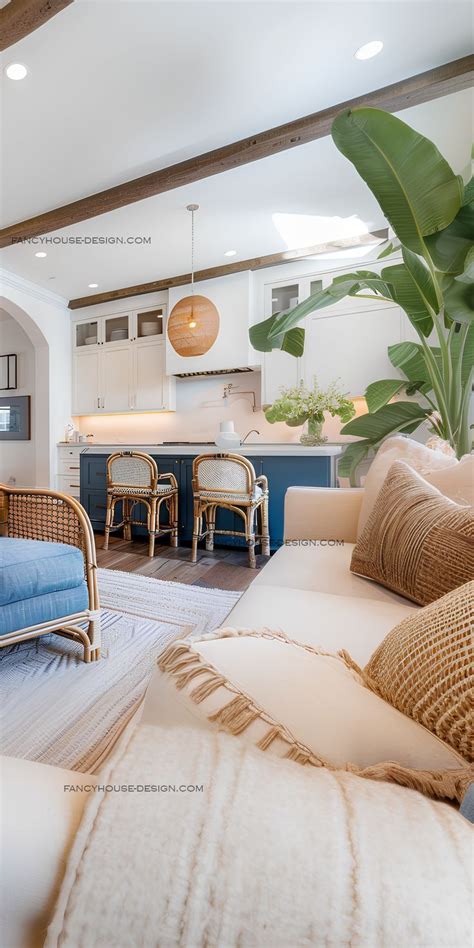
Organic modernism merges clean contemporary lines with raw elements inspired directly by nature, creating spaces that feel grounded, breathable, and deeply restorative. This style heavily incorporates sustainable materials such as woven rattan, unpolished travertine, warm terracotta, and light-toned woods that showcase natural grain patterns.
When styling an organic modern living room, focus on bringing the outdoors in through oversized potted plants, large jute or sisal rugs, and artisanal ceramic accents that celebrate imperfection. The key trade-off here is material maintenance; unsealed natural stones and delicate fibers require gentle care and prompt spill management. However, their ability to age gracefully and add genuine, tactile warmth makes the effort worthwhile for most households seeking a grounded, earthy aesthetic.
5. Scandinavian Functionalism
Rooted in Nordic design principles, Scandinavian modern living rooms prioritize light, utility, and everyday comfort, often channeling the feeling of hygge. This style is exceptionally well-suited for smaller American apartments and suburban homes that receive limited natural sunlight during long winter months, as it maximizes brightness and spatial efficiency.
Maximize natural light by keeping window treatments sheer or entirely open, and paint walls in bright, highly reflective shades of white, soft beige, or pale grey. Incorporate modular seating configurations that adapt easily to entertaining guests or relaxing on the weekend, and add sheepskins or chunky knit wool throws to ensure the room always feels cozy and inviting. The minimalism here is driven by practicality, meaning every piece of furniture serves a clear purpose in daily life.
6. Monochromatic Drama
A monochromatic living room uses varying shades, tints, and textures of a single color family—most commonly charcoal, deep black, and crisp white—to create high-contrast visual depth without relying on complex color schemes. This bold design approach makes a definitive statement and instantly modernizes a dated layout by streamlining the visual fields.
To prevent a monochromatic space from feeling flat, cold, or unwelcoming, tactile variation is absolutely essential. Combine velvet upholstery with smooth leather, matte black metal accents, and textured woven wall hangings or ribbed plaster walls. Layering different finishes catches the available light differently throughout the day, adding richness and subtle sophistication to the room. Careful lighting design, including dimmable overhead fixtures and directional wall washers, is critical to successfully managing deep dark tones.
7. Coastal Modern Refinement
Modern coastal style steps away from overt beach clichés and nautical tropes, focusing instead on a sophisticated, serene palette inspired by the sea, sand, and sky. Think soft sandy beiges, bleached driftwood tones, and crisp linen fabrics accented by subtle ocean-blue ceramic decor and brushed nickel hardware.
Keep furniture profiles clean and tailored rather than overstuffed and casual to maintain a contemporary edge. A slipcovered sofa in high-performance white canvas can look remarkably modern when paired with sleek oak occasional tables and sculptural lighting fixtures, offering a breezy yet polished environment for everyday living. High-performance fabrics are vital here, especially for households with children or pets, ensuring the light aesthetic remains practical and stain-resistant over time.
8. Maximalist Modern Fusion
While minimalism dominates many modern trends, maximalist modernism proves that more can be magnificent when executed with editorial discipline and a clear vision. This style combines bold patterned wallpapers, rich jewel tones, and an eclectic mix of contemporary and vintage furnishings that reflect personal travels and collections.
The secret to keeping a maximalist modern room from descending into visual chaos is establishing a unifying color thread or consistent architectural rhythm. Group collections of art or decorative objects intentionally on shelves rather than scattering them randomly, allowing each statement piece to hold its own while contributing to a vibrant, energetic atmosphere. Balance loud wall patterns with solid upholstery or sleek modern flooring to give the eye designated places to rest.
9. Japandi Fusion Spaces
Japandi design marries Japanese functional craftsmanship with Scandinavian rustic simplicity, creating tranquil spaces centered around mindfulness, clean lines, and natural materials. This hybrid aesthetic is ideal for modern homeowners seeking an uncluttered, serene environment that still feels deeply personal and grounded.
Incorporate low-profile seating, slatted wood room dividers, and minimalist paper or bamboo lighting fixtures that diffuse soft ambient light. Stick to a muted color palette featuring earthy greens, warm tans, and charcoal grays. Every item in a Japandi living room should serve a distinct purpose or bring genuine emotional resonance to the inhabitant, reducing clutter and promoting a calm state of mind.
10. Contemporary Glamour
Modern glam living rooms embrace subtle luxury through reflective surfaces, plush fabrics, and polished metallic accents like brushed brass, polished nickel, and smoked glass. Unlike ornate traditional glamour, contemporary glam relies on clean-lined silhouettes and restrained palettes to keep the aesthetic grounded and current rather than flashy.
Incorporate a velvet sofa in a deep jewel tone like emerald, sapphire, or plum, paired with a marble-topped coffee table and a geometric metallic floor lamp. This style works exceptionally well in urban apartments where you want to create an elevated, high-end ambiance without cluttering the floor plan. Strategic mirror placement can also amplify light in smaller urban living rooms.
11. Smart and Connected Living Spaces
Modern living rooms increasingly integrate advanced technology seamlessly into the interior architecture. Instead of visible tangled wires and bulky entertainment centers, today’s tech-forward spaces feature concealed charging stations, motorized window shades, and architectural lighting systems controlled via smart devices or wall-mounted touch panels.
When designing a connected living room, prioritize built-in cabinetry or sleek media consoles that hide electronic components completely when not in use. Pair these modern conveniences with comfortable, plush seating to ensure the room remains a human-centric gathering space rather than a sterile tech showroom. Future-proofing your layout with accessible conduit paths makes upgrading equipment much simpler down the road.
12. Transitional Modern Living
Transitional modern design bridges the gap between traditional architectural details—such as crown molding, fireplace mantels, and wainscoting—and contemporary furniture silhouettes. This style is a perennial favorite for suburban American homes looking to update historical character without performing major structural overhauls.
Pair traditional wall paneling with sleek leather armchairs, minimalist abstract canvas art, and contemporary minimalist lighting fixtures. This thoughtful juxtaposition creates a timeless, layered interior that feels both established and refreshingly modern. The key is ensuring neither the traditional nor the modern elements entirely overpower the other, achieving a balanced middle ground.
13. Urban Bohemian Retreat
Urban bohemian modernism combines relaxed global textiles with sleek, contemporary architectural foundations. It allows renters and homeowners to showcase personality through travel mementos, handmade pottery, and layered kilim rugs without compromising modern spatial flow or natural light.
To maintain a modern edge, anchor the eclectic textiles with a neutral sofa and clean-lined shelving units. Let the accessories tell a story while keeping the larger furniture pieces streamlined and uncluttered to prevent the space from feeling cramped or chaotic. High-ceiling spaces benefit greatly from hanging textiles and tall potted plants that draw the eye upward.
14. Art-Forward Modern Galleries
For art collectors and design enthusiasts, an art-forward living room uses neutral backdrops and museum-quality track lighting to let statement paintings and sculptures take center stage. Furniture acts as supporting architecture rather than the main focal point of the room.
Choose low-profile sofas and minimal coffee tables that do not compete with visual sightlines or distract from the artwork. Neutral walls in shades of soft white or warm taupe provide the ideal gallery backdrop, allowing you to rotate artwork seasonally to completely transform the mood of the room. Proper lighting angles are crucial to eliminate glare on framed canvases.
15. The Multi-Functional Open-Plan Hub
In many modern U.S. homes, the living room shares spatial boundaries with the kitchen and dining area. Designing a cohesive open-plan hub requires careful spatial zoning through area rugs, modular sectionals, and pendant lighting rather than relying on physical walls.
Ensure that furniture finishes and color palettes coordinate across zones to maintain visual harmony. A sectional sofa can double as a natural room divider, separating the lounging zone from heavy traffic pathways while maintaining an open, airy feeling throughout the entire floor plan. Sound-dampening rugs and soft window treatments help manage acoustics in large open areas.
16. Moody and Cinematic Living Rooms
Embracing darker wall colors such as deep navy, forest green, or charcoal creates an intimate, cinematic atmosphere in a modern living room. This design choice is particularly effective in rooms with ample natural light or media-focused spaces used primarily for evening gatherings and relaxation.
Balance dark walls with warm wood flooring, metallic brass accents, and layered ambient lighting through floor lamps and wall sconces rather than harsh overhead fixtures. The result is a sophisticated, cocoon-like environment that feels luxurious and deeply comforting. Matte paint finishes work best here to absorb light and prevent unwanted glare.
17. Sustainable and Eco-Conscious Modernism
Eco-conscious modern living rooms prioritize furniture crafted from reclaimed timber, organic cotton, non-toxic zero-VOC paints, and energy-efficient LED lighting. Sustainability is no longer an afterthought or niche market, but a core pillar of contemporary interior design.
Invest in durable, high-quality foundational pieces that will last for decades rather than participating in fast-furniture trends. Pair these enduring items with indoor greenery that improves indoor air quality, aligning ethical consumer choices with sleek, modern aesthetics. Knowing the provenance of your wood and textile materials adds meaningful narrative value to your home.
18. Compact Apartment Optimizer
Small-space living demands clever engineering and multi-functional design strategies. Modern apartment living rooms redefine compact spaces through nesting tables, hidden storage ottomans, wall-mounted media shelves, and modular seating that reconfigures on demand for guests.
Utilize vertical wall space for shelving and art displays to draw the eye upward, making the ceiling feel higher and the room more expansive. Choosing furniture with visible legs also allows light to flow underneath, reducing the visual weight and making modest square footage feel significantly larger and less crowded. Prioritize dual-purpose furniture to keep clutter out of sight.
Frequently Asked Questions
What defines a modern living room style?
Modern living room style is characterized by clean architectural lines, uncluttered spaces, functional furniture, and a harmonious balance between form and utility. It often incorporates neutral color palettes paired with tactile natural materials to ensure the space remains warm and inviting without feeling austere.
How can I make a small living room look modern and spacious?
To make a small living room feel spacious and modern, opt for low-profile furniture with exposed legs that allow light to pass underneath. Keep window treatments minimal to maximize natural light, utilize multi-functional pieces like storage ottomans, and use vertical wall space for storage and decor.
What color palettes are trending for modern living rooms in the U.S.?
Current trending color palettes lean toward warm neutrals such as creamy whites, warm taupes, and earthy terracottas, often contrasted with grounding moody shades like charcoal, forest green, or deep navy. These tones provide a versatile backdrop that easily accommodates seasonal accent colors and evolving personal decor.
How do I mix cozy elements with sleek modern furniture?
You can balance sleek modern furniture with coziness by layering rich, tactile textiles. Pair smooth leather or metal frames with chunky knit wool throws, plush area rugs, raw wood accents, and warm ambient lighting to soften clean geometric lines and create a welcoming, comfortable atmosphere.