Blank walls can instantly make a room feel unfinished, yet standard retail shelving options often fail to match exact dimensions or personal aesthetic preferences. Embracing custom woodworking and creative building techniques allows homeowners and apartment dwellers to craft personalized display spaces that celebrate character over mass-produced uniformity. Whether working within the constraints of a suburban drywall living room or a historic urban loft featuring plaster surfaces, thoughtful vertical storage transforms empty perimeters into functional focal points. By carefully evaluating your spatial needs and architectural environment, you can design storage that acts as both an organizational workhorse and an artistic display feature.
Successfully executing a shelving project requires balancing visual appeal with structural integrity. Understanding how to locate wall studs, select appropriate anchors, and finish raw lumber ensures that handmade creations remain secure and attractive for years. This guide explores diverse aesthetic directions, installation strategies, and material selections designed to help elevate American interiors through purposeful design. As you embark on your building journey, keeping safety margins in mind and testing your mounting hardware will give you complete confidence in the durability of your handmade installations.
Rustic and Farmhouse Wood Shelves
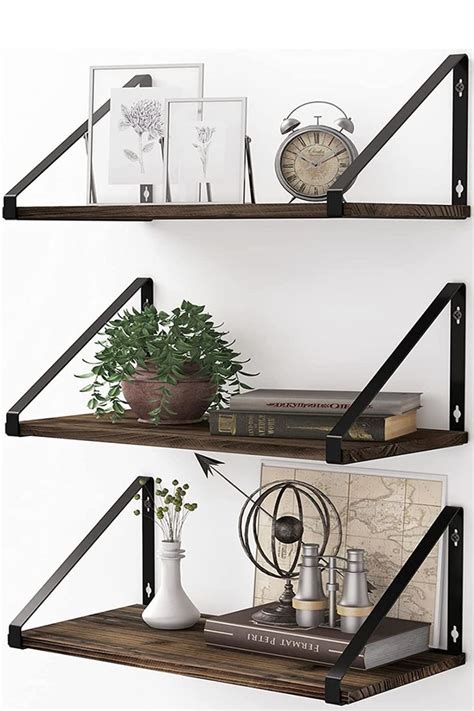
Natural wood tones bring warmth and organic texture into contemporary living spaces, making rustic and farmhouse shelving perennial favorites in American interior design. Sourcing rough-sawn lumber or repurposing reclaimed dimensional boards offers an authentic foundation for projects that highlight knots, grain variations, and natural distressing. These materials connect modern rooms to traditional craftsmanship, introducing an inviting narrative that manufactured laminates simply cannot replicate. When selecting your lumber, inspect the boards for moisture content and structural warping to ensure your finished shelves remain level and true over time.
Pairing thick timber planks with wrought iron or black metal brackets creates an enduring industrial farmhouse aesthetic that anchors kitchens, dining rooms, and family gathering spaces. Applying a rich walnut or weathered oak stain protects the surface while accentuating the wood’s inherent character. Before applying any finish, thoroughly sand the wood using progressively finer grits to eliminate splinters while preserving the rustic texture. This tactile quality is what draws the eye and provides a genuine handmade focal point for your room.
Thick Timber Floating Ledges
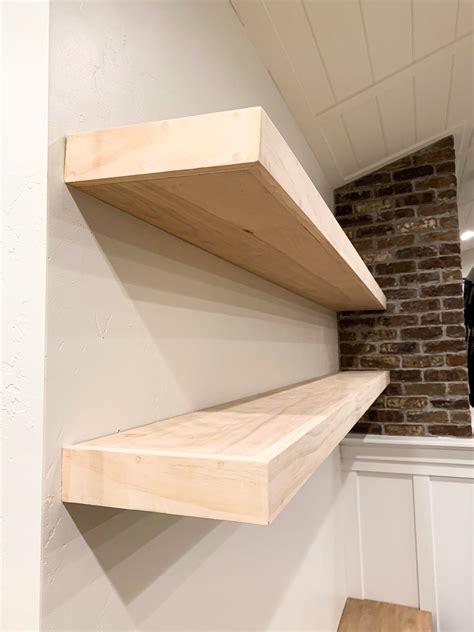
Constructing hollow-box floating shelves gives the illusion of massive, heavy timber without placing excessive weight load on standard drywall construction. By building a lightweight interior cleat system anchored directly to wall studs, builders can slide a custom-fitted outer wooden sleeve over the support framework for a seamless, bracket-free appearance.
This method requires precise miter cuts and careful measurement of the interior framing so that the outer wooden shell fits snugly without binding. Once the cleat is firmly screwed into the studs, securing the outer sleeve with small finish nails or hidden screws locks the entire assembly into a rigid, load-bearing display platform capable of holding books and heavy ceramics.
Reclaimed Barn Wood Accents
Utilizing salvaged lumber from old fencing or architectural demolition brings historical narrative into modern residences. Proper preparation involves thorough cleaning, light sanding to remove rough splinters while preserving patina, and sealing with a clear matte polyurethane to prevent moisture absorption in humid environments like kitchens or powder rooms.
Working with salvaged wood often reveals unique nail holes, insect tracks, and color gradients that tell a story of previous use. Embracing these imperfections guarantees that your finished shelving unit is entirely one-of-a-kind, adding authentic rustic charm to your living room or study.
Modern Minimalist and Geometric Designs

For cleaner lines and contemporary apartments, minimalist and geometric shelving configurations offer visual interest without visual clutter. These designs often utilize slender profiles, monochromatic finishes, and unexpected angles to create artistic wall installations that double as functional art pieces. The primary objective is to achieve harmony between architectural simplicity and purposeful utility, ensuring the shelves complement rather than dominate the surrounding wall space.
Working with lightweight metals, acrylics, or birch plywood allows for sleek fabrication processes that complement mid-century modern or transitional living rooms. Maintaining precise measurements during assembly ensures that geometric shapes align harmoniously when mounted. Because minimalist designs rely heavily on clean geometry, even a fractional misalignment during installation can disrupt the entire visual balance of the piece.
Triangle and Hexagon Honeycomb Grids
Assembling modular geometric cells using mitered pine boards produces striking honeycomb patterns that can be arranged in endless configurations across a feature wall. These compartments work exceptionally well for displaying small succulents, crystals, or curated collectibles.
Cutting precise 30-degree or 60-degree angles on a miter saw is essential for closing the seams tightly. Reinforcing the joints with wood glue and small brad nails guarantees structural stability before you hang these delicate-looking polygons on the wall.
Monochromatic Sleek Metal Ledges
Bending sheet metal or utilizing slim aluminum channels painted in matte black, crisp white, or brushed brass provides an understated platform for framed art prints and photography. Their low profile keeps the focus entirely on the displayed items rather than the hardware.
Because these metal ledges are often quite shallow, they are ideally suited for narrow hallways, gallery walls, or tight kitchen spaces where protruding wooden shelves might impede movement. Securing them with appropriate wall anchors ensures they remain rigid despite their slim profiles.
Creative Repurposing and Upcycled Projects
Sustainable home decor often begins with looking at everyday objects through an imaginative lens. Upcycling items that might otherwise enter the waste stream introduces eccentric personality and eclectic charm into casual dens, home offices, or creative studios. This approach encourages resourcefulness and allows you to experiment with unconventional shapes and histories without investing heavily in brand-new materials.
Transforming vintage elements into functional wall storage requires basic hardware fastening and a willingness to experiment with unconventional shapes. These projects typically require minimal financial investment, relying instead on resourcefulness and creative vision. By giving forgotten objects a second life, you contribute to a more sustainable home while curating a space filled with personal storytelling elements.
Vintage Wooden Crate Cubbies
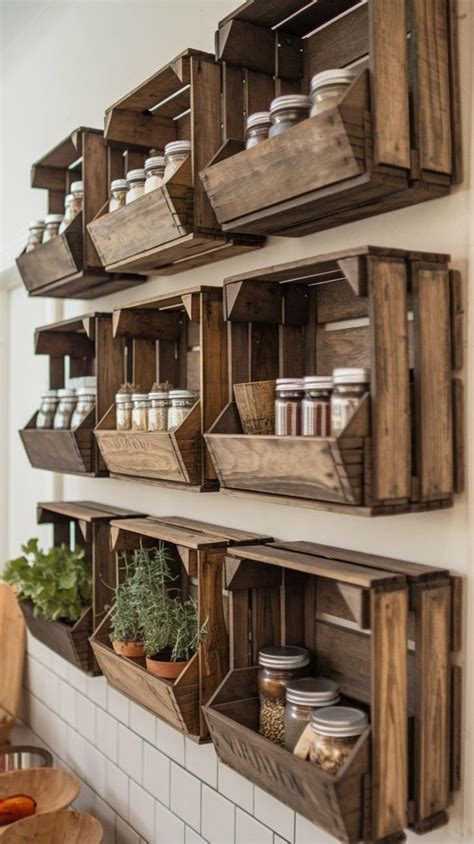
Securing old shipping crates or apple boxes directly to wall studs creates modular cubby storage with built-in divided compartments. Staining the interiors a contrasting color or applying patterned wallpaper inside each box adds an unexpected layer of depth and visual delight.
Before mounting crates to the wall, reinforce their internal corners with small metal brackets if the wood feels loose. Screwing through the thick structural backing boards directly into wall studs ensures the crates can safely support books, mugs, or decorative objects.
Repurposed Drawer Wall Boxes
Orphaned wooden drawers rescued from antique dressers can be flipped on their sides and mounted flush to walls to serve as shadow-box displays. Leaving original hardware intact provides a charming vintage detail that honors the piece’s original function.
You can line the inner base of the drawer with fabric or decorative paper to create a vibrant backdrop for your collectibles. Fastening the drawer base securely to the wall studs transforms a discarded furniture component into a striking shadow-box shelf.
Renter-Friendly and No-Drill Hanging Solutions
Lease agreements frequently restrict permanent wall modifications, leaving renters searching for ways to display decor without risking security deposits. Fortunately, modern hanging technologies and innovative mounting systems make it possible to enjoy vertical storage without extensive drywall repair upon moving out. Understanding the limitations of your rental’s walls helps you select temporary solutions that offer peace of mind and protect your security deposit.
When utilizing non-permanent methods, respecting published weight limits is crucial for preventing unexpected collapses and property damage. Choosing lightweight materials ensures these temporary installations remain secure and stable. Always test adhesion or tension systems gradually, starting with lighter objects before placing valuable or fragile items onto the shelves.
Heavy-Duty Adhesive Track Systems
Advanced pressure-activated adhesive strips and hanging tracks can support surprisingly substantial loads when applied to clean, smooth painted drywall surfaces. Distributing weight across multiple anchor points maximizes stability for lightweight display ledges carrying small books or framed prints.
Thoroughly cleaning the wall surface with isopropyl alcohol prior to application removes microscopic dust and oils that could compromise the adhesive bond. Allowing the adhesive to cure fully before loading the shelf is vital for maximum weight capacity.
Tension-Rod and Leaning Ladder Shelves
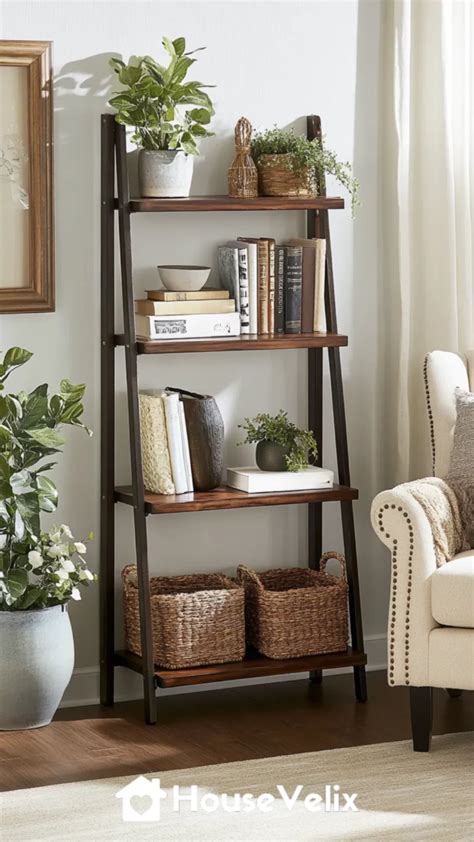
Leaning ladder frames secured with minimal top-wall anchors or supported entirely via floor friction offer multi-tier vertical storage without requiring extensive drilling. These versatile units can easily travel with you when transitioning to a new home.
Because leaning shelves rely on gravity and friction against the baseboard and wall, positioning them on non-slip rugs or securing them with anti-tip brackets ensures they remain completely stable in high-traffic areas or homes with pets.
Frequently Asked Questions
What are the best beginner-friendly DIY wall shelf ideas?
For beginners, simple board-and-bracket shelves or pre-made wooden crates mounted with basic drywall anchors offer the gentlest learning curve. These projects require minimal power tools, straightforward cuts, and standard fastening hardware, allowing you to build confidence before tackling complex floating box shelves or mitered geometric grids.
How do I find wall studs to hang heavy shelves securely?
Using an electronic stud finder is the most reliable method for locating wooden framing members behind drywall. Always double-check your findings with a small pilot hole or knock test, as pipes or electrical wiring can occasionally run adjacent to studs. Hanging shelves directly into wood studs provides maximum weight capacity for heavy items like books or cast-iron cookware.
Can I install heavy shelves on plaster walls in older homes?
Plaster walls require a different approach than standard drywall because plaster tends to crumble under concentrated pressure. Toggle bolts or specialized expansion anchors designed specifically for lath and plaster walls distribute weight more evenly, preventing the mounting hardware from pulling loose over time.
What is the secret to styling a newly built wall shelf?
Effective shelf styling relies on balancing height, texture, and negative space. Group items in odd numbers, layer smaller frames in front of larger objects to create depth, and incorporate organic elements like trailing plants or ceramic vases to soften rigid horizontal lines.