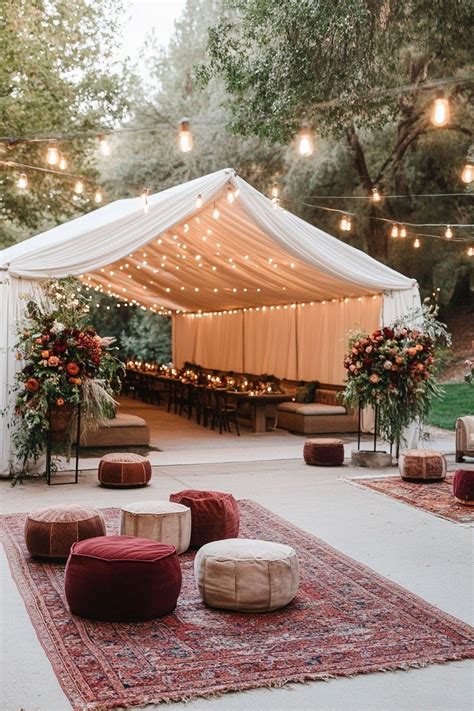
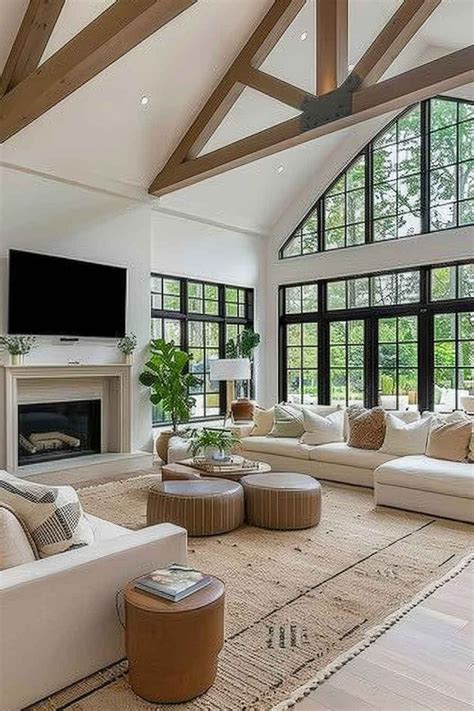
When refreshing a home interior, few design elements offer the immediate transformation power of a well-chosen rug. Whether you live in a sprawling suburban residence or a compact urban apartment, flooring sets the foundational tone for your entire aesthetic. Incorporating elegant pieces from international design sources like MRP Home South allows homeowners and renters alike to infuse global craftsmanship and distinct textures into everyday living spaces. Beyond mere visual appeal, textiles establish acoustic comfort, protect hardwood floors, and anchor open-concept layouts.
Successfully integrating statement floor coverings requires balancing visual aesthetics with everyday practicality. American homes often feature dynamic traffic patterns, ranging from bustling entryways to cozy bedroom retreats. By understanding how to select correct dimensions, choose resilient materials, and apply thoughtful placement rules, you can elevate your interior design without sacrificing functionality. This guide explores strategic ways to curate your floors, ensuring every room feels cohesive, welcoming, and intentionally styled.
Choosing the Right Rug Size and Shape for U.S. Room Layouts
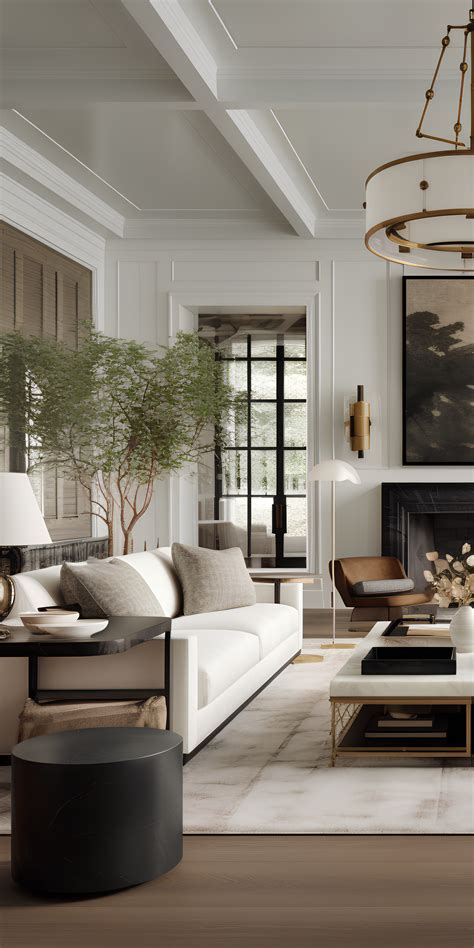
One of the most common design mistakes in interior styling is selecting a rug that is too small for the room. In standard American living spaces, an undersized area rug can make furniture feel disconnected and cramped, floating awkwardly in the center of the floor. To establish a balanced foundation, aim for an area rug large enough to accommodate at least the front legs of your primary seating arrangement. For larger living rooms, a standard 8×10 or 9×12 foot rug allows all furniture legs to rest comfortably on the textile, creating a unified conversational zone.
Shape also plays a vital role in defining functional zones within open-concept floor plans common in contemporary U.S. architecture. While rectangular rugs remain the traditional standard for most rectangular rooms, round rugs can soften harsh architectural angles, complement curved furniture, or define a cozy reading nook in an empty corner. When evaluating options from collections like MRP Home South, measure your space carefully using painter’s tape to outline the proposed dimensions on your floor. This practical visualization technique ensures the final selection respects traffic paths and leaves an appropriate border of exposed hardwood or tile.
Living Room Placement Strategies
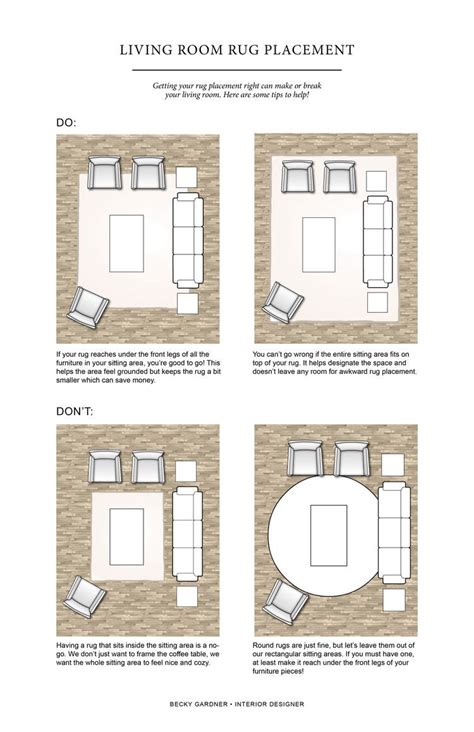
In the living room, your rug anchors the conversation area and sets the mood for relaxation. Placing an elegant textured rug beneath the coffee table and extending it under the sofa creates an inviting focal point. If you have a smaller sitting room or apartment lounge, leaving a consistent twelve-inch border of bare flooring around the perimeter of the rug helps visually expand the perceived dimensions of the room.
Layering smaller accent rugs over a larger, neutral jute or sisal base is another effective strategy for adding depth and seasonal warmth. This approach allows you to introduce colorful patterned textiles from MRP Home South without overwhelming the room’s permanent color palette, providing an easy update whenever your design preferences evolve over the seasons.
Transforming High-Traffic Zones with Elegant Floor Runners
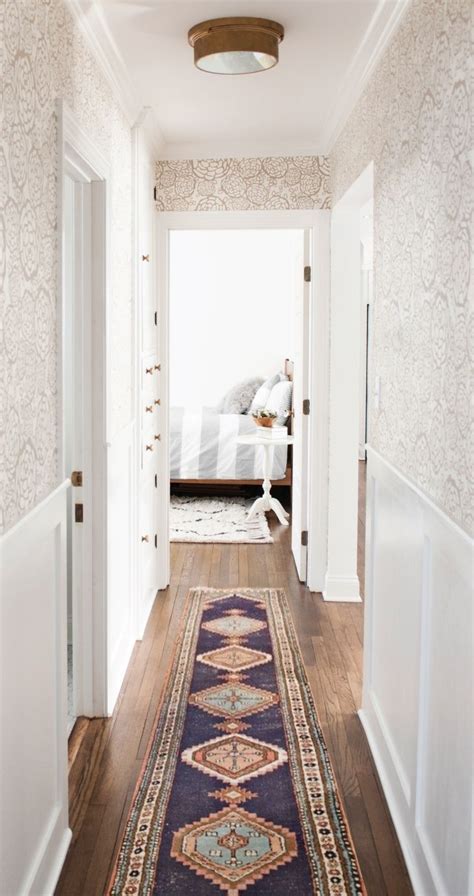
Hallways, entryways, and transitional corridors are frequently overlooked spaces that deserve just as much design attention as primary living areas. These zones experience the highest volume of daily foot traffic, making durability an absolute priority when selecting floor runners. A high-quality runner protects high-wear flooring from scuffs and dirt while guiding the eye smoothly through the home’s architectural layout. Choosing sophisticated runners featuring subtle geometric patterns or classic motifs can instantly elevate a plain corridor into an engaging art gallery hallway.
When installing a runner in a U.S. home hallway, ensure you leave equal amounts of exposed flooring on either side—typically four to six inches—to maintain a balanced, custom-fitted appearance. Additionally, never compromise on safety; always pair your runner with a high-grade, non-slip rug pad underneath. This essential accessory prevents shifting on hardwood or tile surfaces, enhances underfoot cushioning, and extends the lifespan of the textile by reducing friction wear against the subfloor.
Entryway Impact and First Impressions
Your entryway is the first transition zone guests encounter, setting the tone for the rest of your interior aesthetic. A slim, elegant floor runner positioned just inside the front door creates a warm, welcoming path into the home while catching outdoor debris. Selecting stain-resistant synthetic blends or tightly woven natural fibers ensures that high-traffic entry zones remain easy to vacuum and spot clean on a regular basis.
Pairing your entryway runner with a nearby console table, decorative mirror, and subtle ambient lighting completes a functional vignette. This intentional styling transforms a purely utilitarian threshold into a polished architectural feature that reflects thoughtful home curation.
Balancing Material, Texture, and Durability
Selecting the ideal rug material involves weighing aesthetic desires against practical lifestyle demands. Households with pets, children, or frequent guests require textiles crafted from resilient fibers like wool, polypropylene, or durable cotton blends. Wool offers exceptional natural stain resistance and plush comfort, making it a luxurious choice for bedrooms and low-traffic formal living areas. Conversely, synthetic fibers provide outstanding fade resistance and effortless cleaning capabilities, making them ideal for sunlit family rooms and busy dining spaces.
Texture adds another crucial dimension to interior design, influencing how light and shadow interact across the floor. Combining flat-weave runners with plush, high-pile area rugs creates tactile contrast that enriches neutral color palettes. When browsing curated selections from MRP Home South, consider how the tactile qualities of each weave will feel underfoot and how they complement your existing upholstery, drapery, and wood finishes.
Maintenance and Long-Term Care for Area Rugs
Protecting your investment in elegant home textiles requires consistent, gentle maintenance practices tailored to the specific fiber type. Regular vacuuming without a harsh beater bar helps remove abrasive dirt particles before they settle deep into the rug pile. For wool and delicate natural fibers, avoid aggressive scrubbing during spot cleaning; instead, blot spills immediately with a clean, damp white cloth and a mild, pH-neutral detergent formulated for upholstery care.
Rotating your rugs every six to twelve months ensures even wear distribution, particularly in rooms exposed to direct sunlight or heavy foot traffic patterns. Professional deep cleaning every couple of years revitalizes flattened fibers and restores the original vibrancy of imported patterns, keeping your living spaces looking fresh and sophisticated for years to come.
Frequently Asked Questions
How do I choose the correct size rug or floor runner for my space?
To choose the correct size, measure your room and furniture layout before shopping. For living rooms, ensure the rug is large enough for at least the front legs of your furniture to rest upon it. For hallways and entryways, measure the length of the corridor and leave a four-to-six-inch border of exposed flooring on all sides of the runner.
Which rug materials are best for high-traffic areas in a U.S. home?
High-traffic areas benefit from durable, resilient materials such as tightly woven wool, synthetic blends like polypropylene, or sturdy flat-weaves. These materials withstand frequent foot traffic, resist staining, and are significantly easier to clean and maintain over time.
How can floor runners transform narrow spaces like hallways and entryways?
Floor runners draw the eye along narrow corridors, adding warmth, color, and texture to otherwise neglected transitional spaces. They also protect high-wear flooring while dampening sound and creating a welcoming, cohesive transition between different rooms in the house.
How do I style and maintain area rugs for long-lasting appeal?
Style area rugs by coordinating their colors and textures with your existing upholstery and decor, utilizing layering techniques when appropriate. Maintain them through regular gentle vacuuming, immediate blotting of spills, and rotating the rug every six months to ensure even wear.