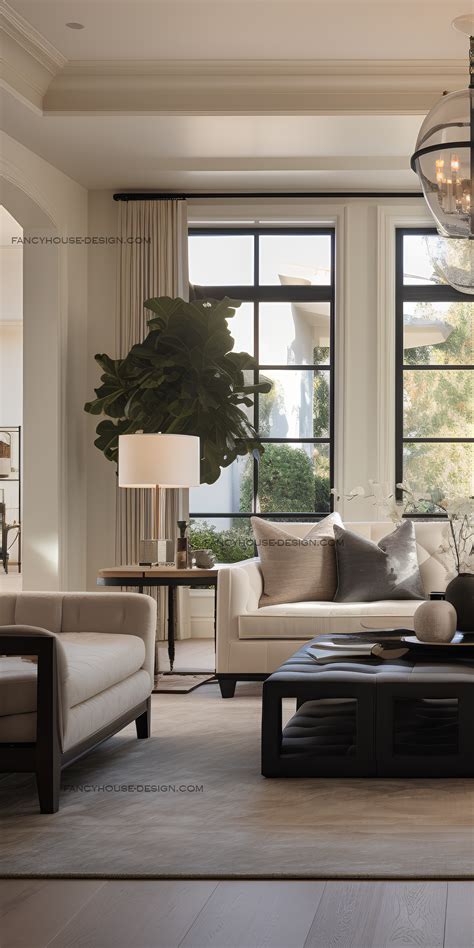
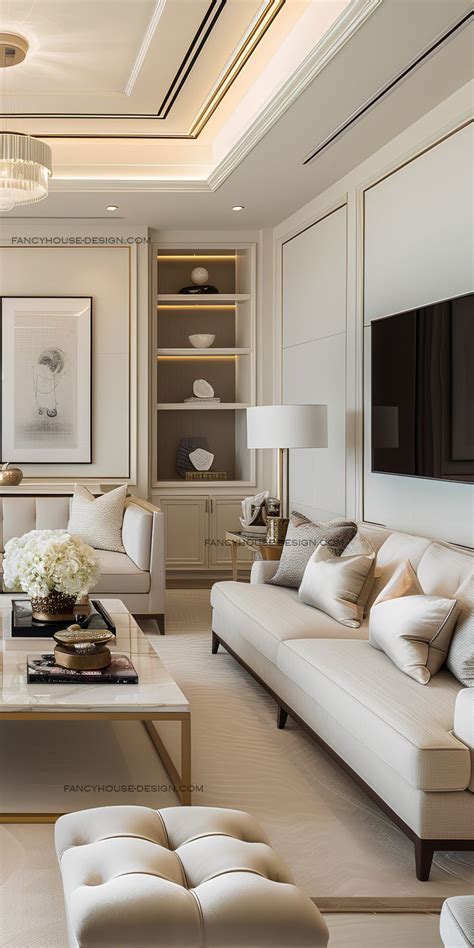
When designing a sophisticated living space, the seating you choose sets both the visual tone and the functional standard of the room. For decades, traditional recliners carried a reputation for being bulky, overly casual, and challenging to integrate into polished interior schemes. However, contemporary furniture design has completely transformed this category. Today, investing in high-end reclining seating allows homeowners to enjoy tailored ergonomic support without compromising on clean lines or upscale textures.
Bringing together tactile materials and hidden mechanical engineering requires a careful evaluation of craftsmanship, spatial planning, and lifestyle needs. Whether you are outfitting an expansive suburban family room or a streamlined urban apartment layout, selecting the right piece involves understanding how material grades, frame construction, and modern operating systems work in harmony to elevate your home.
The Evolution of Modern Reclining Design
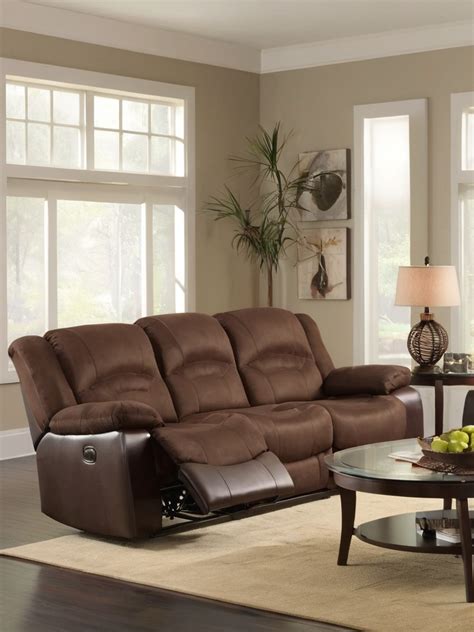
The primary hesitation buyers face when considering a reclining sofa is the fear that visible seams, oversized footrests, and bulky armrests will disrupt their carefully curated decor. Modern manufacturing addresses this challenge by concealing motorized mechanisms deep within streamlined frames. Power buttons are often integrated subtly into the inner arm cushions or styled as brushed metal plates that blend effortlessly into minimalist aesthetics.
Furthermore, silhouette shapes have evolved from overstuffed cushions to tailored profiles featuring slender track arms, subtle tufting, and elevated wooden or metal legs. This structural shift creates visual negative space beneath the sofa, making the entire piece feel lighter and more architectural. By prioritizing proportions that mirror standard luxury sofas, manufacturers ensure that your seating acts as a sophisticated anchor rather than an intrusive utility item.
Balancing Aesthetic Appeal with Ergonomic Support
Achieving true comfort does not require sacrificing visual elegance. High-end reclining models utilize multi-density foam layers and pocket-coil seating systems that provide firm, supportive foundations while adapting to the body’s natural contours. When the recliner is closed, these internal layers maintain a crisp, tailored look that resists sagging over time.
When testing or evaluating these sofas, pay close attention to the transition speed and smoothness of the power mechanism. A quality motor operates almost silently, offering infinite reclining positions rather than rigid preset angles. This precise control allows you to find an exact posture for reading, watching television, or resting, ensuring your living room remains as functional as it is visually striking.
Selecting the Ideal Leather Grade for Your Lifestyle

Leather remains a premier choice for living room upholstery due to its timeless character, durability, and ability to age gracefully. When shopping for luxury pieces, understanding the distinctions between leather grades is essential for making an informed investment. Full-grain and top-grain leather offer the highest quality, retaining the natural hide surface which provides breathability and a wonderfully supple tactile feel.
Unlike corrected or bonded leathers, high-grade natural hides develop a rich patina over the years, softening further with use. This organic aging process means your sofa actually gains character rather than simply wearing down. However, because natural leather responds to its environment, choosing the right finish involves balancing your household’s daily activities against your maintenance preferences.
Comparing Top-Grain, Full-Grain, and Semi-Aniline Finishes
Full-grain leather is un-sanded and showcases the hide’s natural grain markings, offering maximum authenticity and a luxurious, warm hand-feel. Because it lacks protective synthetic top coatings, it requires a bit more mindfulness regarding spills and direct sunlight, making it ideal for adult-centric formal living spaces or quiet studies.
Top-grain leather, which has had its outermost surface lightly sanded to remove imperfections, is treated with a protective finish. This makes it significantly more resistant to stains and daily wear while maintaining a remarkably soft texture. For households with active children or pets, a semi-aniline top-grain leather provides the ideal compromise between high-end luxury and everyday resilience.
Spatial Planning and Layout Strategies for American Homes
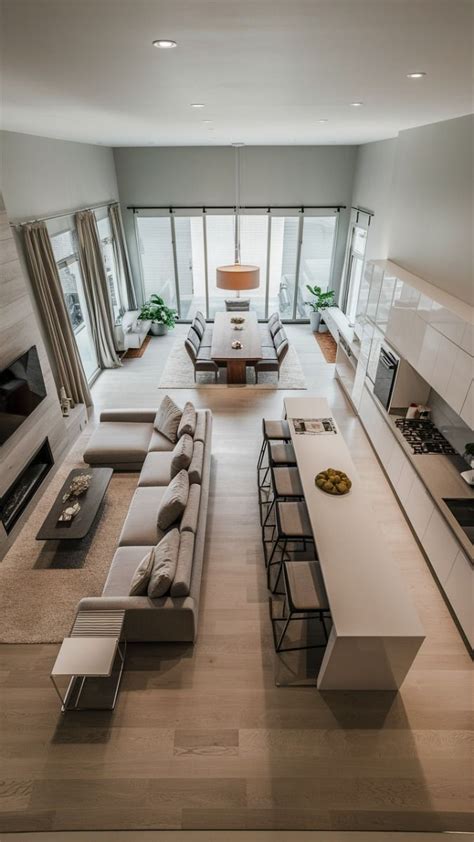
Integrating a reclining sofa into an American living room requires thoughtful spatial planning. Because reclining sofas extend outward when opened, placement must account for clearance between the back of the sofa and the wall, or alternatively, incorporate wall-hugger mechanisms that slide forward as they recline. Measuring your floor plan with these dynamic dimensions in mind prevents awkward traffic bottlenecks.
In open-concept layouts, the back of the sofa is frequently visible from the entryway, kitchen, or dining area. High-end manufacturers finish the rear of their reclining sofas with the same meticulous attention to detail and upholstery as the front. Positioning the sofa to float in the center of the room creates a defined conversation area while showcasing the clean upholstery lines from every angle.
Optimizing Traffic Flow and Focal Points
When arranging your furniture, establish a clear focal point, such as a fireplace, architectural window, or media console, and angle your seating to respect that orientation. Ensure there is at least thirty inches of clear walkway around the perimeter of the sofa to maintain an open, breathable atmosphere in the room.
Pairing your leather recliner with complementary textures—such as a chunky wool area rug, linen drapery, or a reclaimed wood coffee table—prevents the leather from dominating the room visually. This thoughtful layering of materials adds depth and warmth, ensuring your sophisticated seating feels integrated rather than isolated.
Long-Term Maintenance and Preservation
Proper care ensures that your investment in a luxury leather sofa pays dividends for decades. Leather is a natural material that thrives when it maintains a balanced moisture level. Routine dusting with a dry microfiber cloth prevents abrasive dirt particles from settling into the natural grain crevices of the hide.
Beyond weekly upkeep, applying a specialized leather conditioner every six to twelve months keeps the upholstery supple and prevents drying or cracking, particularly in homes with dry winter heating or intense summer air conditioning. Always test cleaning products on a hidden area underneath the sofa before applying them to visible cushion surfaces.
Managing Daily Wear and Accidental Spills
Accidents happen, but high-grade finished leather offers a helpful window for cleanup. When a liquid spill occurs, blot—never rub—the area immediately with a clean, absorbent white cloth. For routine cleaning, a damp cloth with mild, pH-balanced soap is usually sufficient, followed by immediate drying with a soft towel.
Keeping your leather sofa away from direct, harsh sunlight and heating vents prevents premature fading and thermal stress on both the leather hide and the internal mechanical frame. By following these simple maintenance habits, you preserve the luxurious look and buttery feel of your seating investment for years to come.
Frequently Asked Questions
Do leather reclining sofas look bulky in modern living rooms?
Not necessarily. While older models were known for their oversized appearance, modern luxury reclining sofas feature slim track arms, hidden power mechanisms, and elevated legs that create a sleek, architectural profile suitable for contemporary interiors.
What is the difference between top-grain and full-grain leather for recliners?
Full-grain leather retains the entire natural hide surface with no sanding, offering unmatched authenticity and patina development. Top-grain leather is lightly sanded to remove minor imperfections and treated with a protective finish, making it more resistant to stains and ideal for busy households.
How much clearance do I need behind a reclining sofa?
Standard reclining sofas require several inches of wall clearance to extend fully. However, many modern luxury models utilize wall-hugger mechanisms that slide the seat forward as it reclines, allowing the sofa to sit much closer to a wall without sacrificing recline depth.
How often should I condition a leather reclining sofa?
It is generally recommended to clean and condition high-end leather furniture every six to twelve months. Homes located in particularly dry climates or households with heavy daily use may benefit from semi-annual conditioning to keep the leather supple and prevent cracking.