Balancing high-end aesthetic appeal with everyday relaxation can present a genuine design challenge for American homeowners and renters alike. Traditional living room styling often prioritizes clean, architectural lines that look striking upon entry, yet fail to offer the deep, restorative comfort needed after a demanding workday. Conversely, casual reclining furniture has historically leaned toward bulky, overstuffed silhouettes that dominate a room visually and disrupt carefully curated decor schemes. Addressing this dilemma requires furniture that refuses to compromise on either front.
A Bassett leather reclining sofa offers an intentional solution by bridging the gap between sophisticated craftsmanship and ergonomic luxury. When integrated thoughtfully into a floor plan, these versatile couches provide customized posture support while maintaining the rich, tactile warmth that only genuine leather upholstery can deliver. Understanding how to select, size, and style these statement pieces ensures your living area remains both visually compelling and exceptionally inviting for family members and guests alike.
The Dual Advantage of Leather and Reclining Mechanics
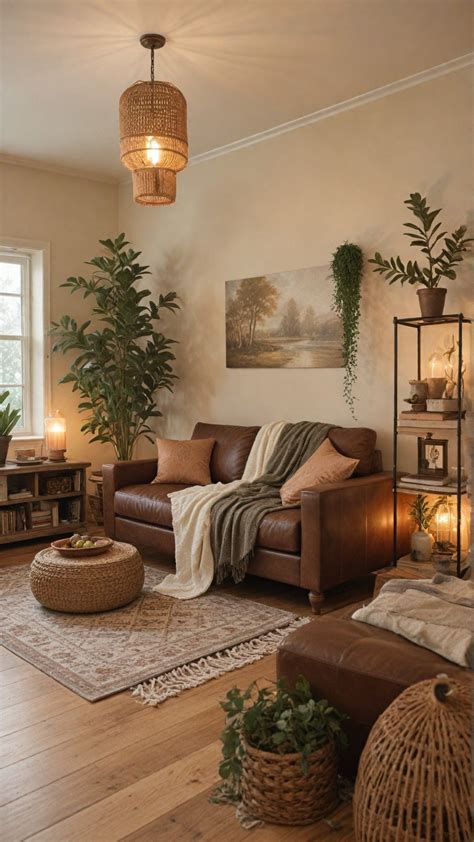
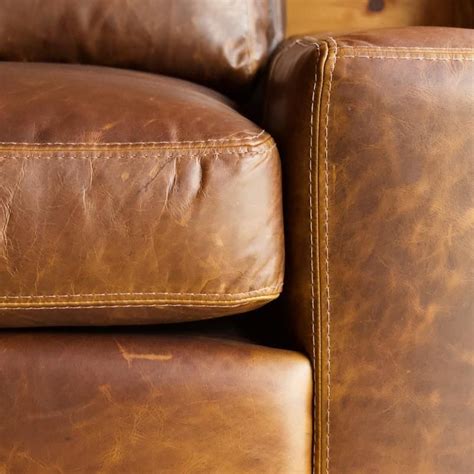
Choosing upholstery for a high-use seating investment involves balancing visual elegance with long-term resilience against daily wear. Leather stands apart from woven textiles due to its inherent strength, breathability, and ability to adapt to ambient room temperatures. Unlike synthetic fabrics that can trap dust or show immediate signs of fraying, premium leathers develop a rich, character-filled patina over time. This aging process enhances the visual depth of the sofa, making busy family rooms feel grounded and lived-in rather than sterile or fragile.
Pairing this durable natural material with an internal reclining mechanism elevates a standard seating area into a personalized relaxation zone. Modern engineering allows these sofas to conceal their reclining functions seamlessly within tailored frames. Whether you are hosting a lively neighborhood gathering or enjoying a quiet evening movie marathon, a leather reclining couch adapts instantly to your postural needs. The transition from an upright, supportive conversation posture to a fully reclined, stress-relieving lounge angle happens smoothly without sacrificing lower back support or headrest alignment.
Navigating Frame Craftsmanship and Customization
Investing in a high-end seating piece requires looking beneath the surface to evaluate structural integrity. Bassett Furniture is recognized for utilizing kiln-dried hardwood frames joined with reinforced corner blocks, ensuring the internal skeleton withstands decades of structural stress without warping or creaking. Cushion cores typically incorporate high-density foam wrapped in softer down blends or resilient fibers, striking a careful balance between immediate plushness and long-term support that prevents premature sagging.
Beyond internal construction, the customization process allows you to tailor the visual language of the sofa to your specific interior palette. Buyers can often select from an extensive catalog of leather hides, ranging from heavily corrected, uniform finishes that resist spills easily to aniline and semi-aniline grades that highlight natural grain variations. Choosing the right shade—whether it is a deep saddle brown, a dramatic charcoal, or a crisp warm ivory—determines how the sofa anchors your room’s natural light and existing wood tones.
Power Versus Manual Reclining Mechanisms
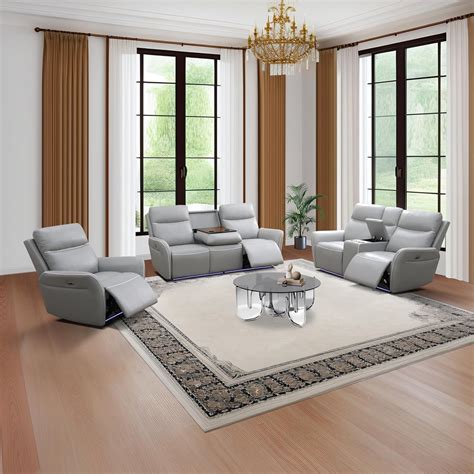
Deciding between a power reclining setup and a traditional manual pull-handle configuration involves weighing operational convenience against mechanical simplicity. Power recliners operate via discreet touch buttons or side-mounted panels, allowing users to stop the footrest and backrest at any precise angle of comfort. This micro-adjustable capability is particularly beneficial for individuals with specific ergonomic requirements or back sensitivities, as it eliminates the sudden spring-back force sometimes associated with mechanical latches.
On the other hand, manual reclining sofas offer straightforward operation without reliance on electrical outlets or cords, making floating furniture arrangements in the center of a room much simpler to plan. However, power models frequently feature built-in USB charging ports and zero-wall clearance designs, meaning the frame shifts forward as it reclines so it can sit mere inches from a drywall partition. Weighing these functional trade-offs ensures your new couch aligns with your daily habits and room layout constraints.
Strategic Space Planning and Room Layouts
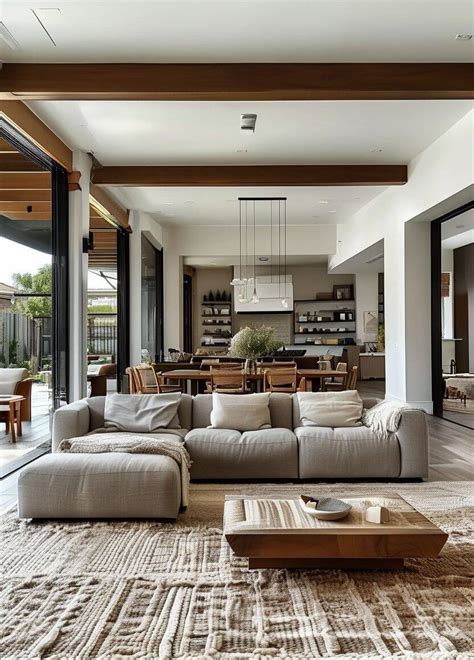
Integrating a sizable reclining sofa into an American living room demands careful spatial calculation. Because reclining furniture requires clearance for footrests and articulating backs, measuring not just the stationary footprint but the fully extended depth is an essential pre-purchase step. Leaving adequate walking paths around the perimeter of the room prevents the space from feeling cramped or obstructed, even when the furniture is fully deployed for relaxation.
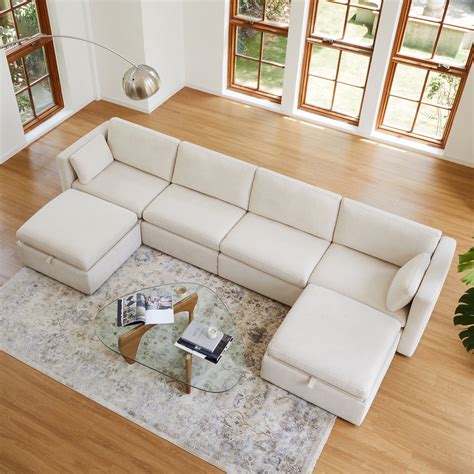
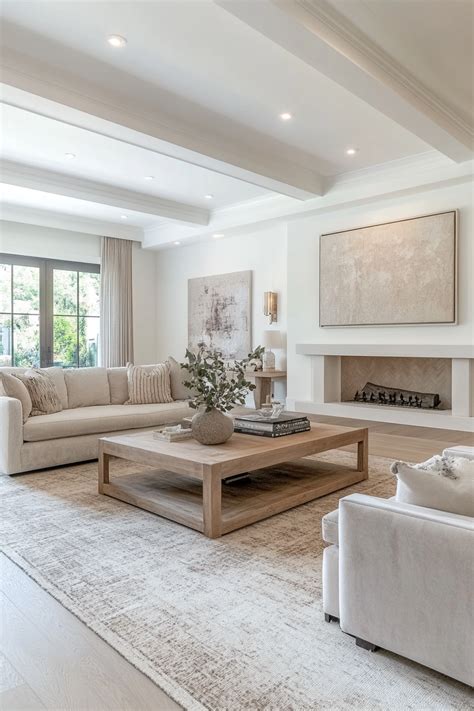
Consider floating the sofa away from walls if your square footage permits, using a low-profile console table or a textured area rug to define the seating zone. If your layout is more compact, look for apartment-scale reclining options or modular sectional configurations that maximize seating capacity without overwhelming narrow or open-concept floor plans. Proper spatial planning ensures the room retains an airy, balanced flow while still offering maximum lounging utility.
Preserving Leather Integrity and Upholstery Longevity
Maintaining the luxurious feel of high-end leather requires a consistent yet straightforward care routine that prevents drying and cracking. Dusting the sofa regularly with a soft, dry microfiber cloth removes abrasive particles that can settle into the natural grain over time. Applying a specialized leather conditioner every six to twelve months helps replenish natural oils, keeping the hide supple and resistant to surface micro-cracks caused by seasonal humidity fluctuations in U.S. homes.
Preventative placement also plays a vital role in preserving upholstery color and texture. Positioning your leather reclining sofa away from direct, harsh sunlight streaming through unobstructed windows prevents premature fading and thermal drying. In homes with active pets or young children, placing durable throws over high-traffic spots adds an extra layer of protection while introducing tactile contrast and seasonal color updates to your living room decor.
Frequently Asked Questions
What makes Bassett leather reclining sofas a premium choice for homes?
Bassett leather reclining sofas combine robust kiln-dried hardwood frames, high-density supportive cushioning, and expertly tailored genuine leather upholstery with smooth, concealed reclining mechanisms for lasting durability and comfort.
How much wall clearance do these reclining couches require?
Many modern power reclining sofas feature wall-hugger mechanisms that slide forward as they recline, requiring as little as 3 to 6 inches of space between the back of the sofa and the wall.
Are power recliners more reliable than manual ones?
Both systems are engineered for durability, but power recliners offer precise multi-angle stops and zero-wall clearance, while manual options operate independently of electrical outlets.
What is the best way to clean and maintain a leather reclining sofa?
Routine maintenance involves dusting with a dry microfiber cloth and wiping minor spots with a damp cloth. Conditioning every six to twelve months helps preserve the leather’s natural suppleness and rich patina.