Revamping a living room often feels like a daunting undertaking, especially when you want to achieve a polished, magazine-worthy aesthetic without losing the comfort required for daily life in a typical American household. Whether you are settling into a suburban single-family property with an open-concept floor plan or updating a compact urban apartment, achieving a chic look relies less on a complete renovation and more on intentional curation. By focusing on versatile statement pieces, strategic textile layering, and functional decor choices, you can completely transform the atmosphere of your main gathering space.
Anchor the Room with Intentional Furniture Choices
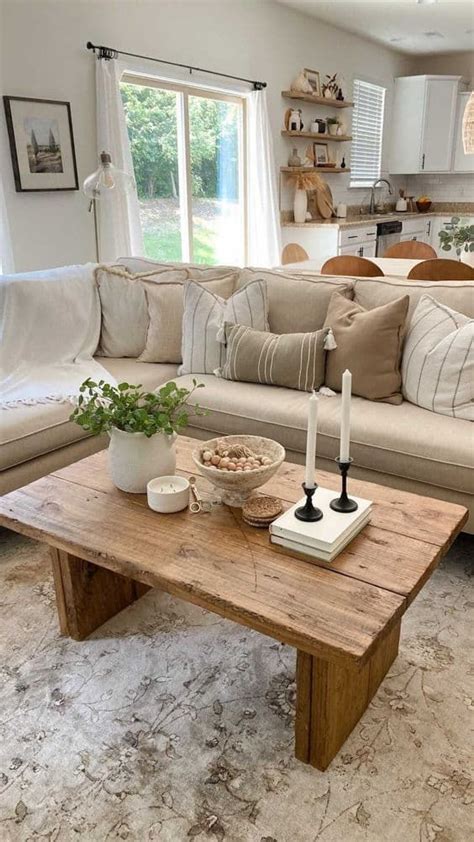
The foundation of any chic living room begins with furniture that serves both an aesthetic and practical purpose. In many U.S. homes, the living room acts as a multi-use hub for relaxing, entertaining, and sometimes working, making furniture selection critical. Rather than filling the room with matching sets, interior designers often recommend mixing materials and silhouettes to create visual depth and a more personalized atmosphere.
When choosing a centerpiece sofa, prioritize durable performance fabrics like textured linen blends or heavy-weight weaves if you share your space with pets or children. Pair your sofa with a contrasting accent chair—perhaps a streamlined leather armchair or a bouclé swivel chair—to introduce varied texture. Coffee tables should balance scale and utility; oval wood designs soften angular room layouts, while glass or metal frames keep smaller spaces feeling open and airy.
Optimizing Spatial Flow in Open-Concept Layouts
Open-concept living spaces require careful furniture placement to define functional zones without building physical walls. Pulling your primary seating arrangement away from the perimeter walls and floating your sofa in the center of the room instantly creates a more intentional, cozy conversational area. Use the back of the sofa to anchor a slim console table styled with lamps and books, establishing a subtle boundary between the entryway and the main lounge.
Layer Textures and Textiles for Instant Warmth
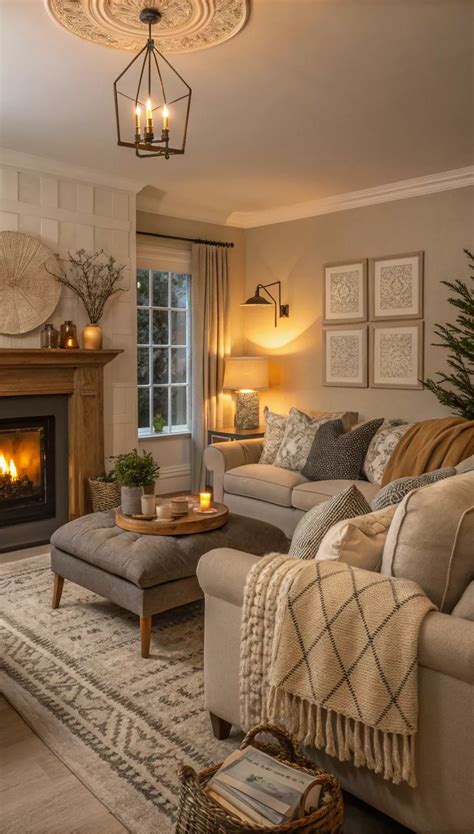
A chic room rarely feels flat or sterile; instead, it invites touch through a thoughtful combination of layered textiles. Start from the ground up by selecting an appropriately sized area rug that extends beneath the front legs of your major seating pieces. In American living rooms, a common mistake is choosing a rug that is too small, which makes the space feel fragmented. Opt for natural fibers like wool or jute for durability, or layer a smaller vintage-style runner over a neutral sisal base for an eclectic designer look.
Once the foundation is set, introduce tactile variety through throw pillows and blankets draped casually over furniture frames. Mix smooth velvets, coarse linens, and chunky knits to create rich contrast under changing natural light throughout the day. This simple strategy allows you to easily update your color palette with the changing seasons without investing in entirely new furniture items.
Layered Lighting Strategies for a Cozy Ambiance
Overhead lighting alone rarely creates a welcoming home environment. To achieve a truly sophisticated living room, embrace a layered lighting plan that combines ambient, task, and accent sources. Replace standard builder-grade flush mounts with statement chandeliers or sculptural pendant lights that draw the eye upward and act as functional art pieces.
Supplement your overhead fixtures with strategically placed floor lamps beside reading chairs and table lamps on sideboards or consoles. Utilizing warm-toned LED bulbs (around 2700K) softens the room during evening hours, cultivating an inviting glow that highlights your new furniture and decor choices. If your rental agreement prohibits hardwiring new fixtures, plug-in wall sconces offer a renter-friendly way to achieve custom architectural lighting.
Styling Surfaces and Functional Decor
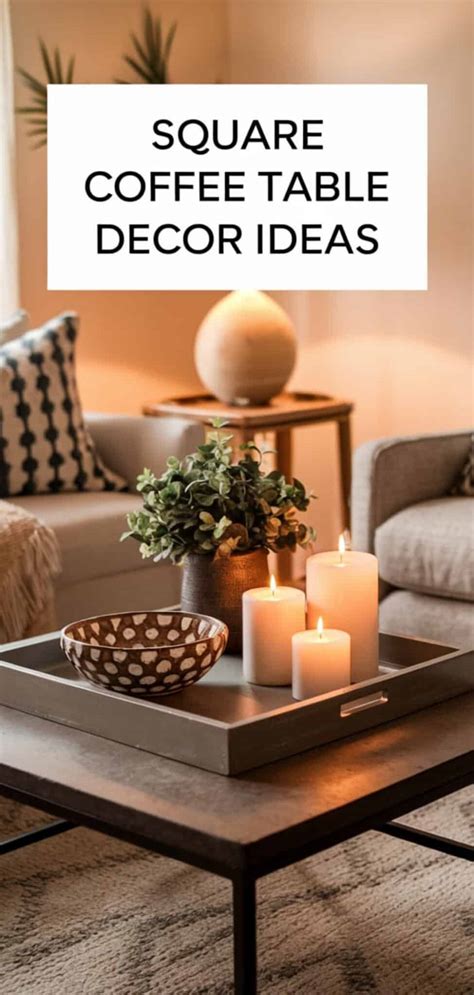
Styling coffee tables, bookshelves, and mantels is an art form that balances negative space with personal character. Avoid clutter by grouping decorative objects in odd numbers and varying heights. Combine practical items, such as decorative trays for remotes or ceramic bowls for keys, with sculptural elements like marble candleholders, heavy coffee table books, and potted greenery.
Bringing live plants into your living room instantly refreshes the space and improves indoor air quality. Tall statement plants like a fiddle-leaf fig or a snake plant fill empty corners naturally, while smaller pothos or succulents look charming resting on floating shelves. For renters who prefer to avoid drilling holes in walls, leaning large arched mirrors against a living room wall bounces natural light around the room while adding architectural interest instantly.
Frequently Asked Questions
How can I update my living room without a total renovation?
You can dramatically refresh your living room through surface-level changes such as swapping out throw pillows, introducing a new area rug, upgrading your lighting fixtures, and rearranging your existing furniture to improve traffic flow and focal points.
What furniture styles are currently popular in U.S. homes?
Current popular styles blend modern minimalism with organic warmth. Think clean-lined silhouettes paired with natural wood tones, performance boucle and linen upholstery, and curved furniture pieces that soften traditional angular room layouts.
How do I balance aesthetics and functionality in a small living room?
Prioritize multi-functional furniture such as storage ottomans, nesting coffee tables, and media consoles with enclosed cabinets. Keeping surfaces organized prevents a small room from feeling chaotic while maintaining a high-end designer look.
What are budget-friendly ways to add chic decor elements?
Affordable updates include printing and framing digital art, swapping out standard lamp shades for textured linen options, introducing house plants in stylish ceramic pots, and layering budget-friendly throw blankets over neutral sofas.


