Finding the right furniture piece to anchor a room can completely transform how an interior space feels and functions. Among versatile accent furniture, console tables stand out as true workhorses in modern American homes. Whether you need to bridge the gap behind a floating sectional, fill an empty wall in an open-concept layout, or add vertical visual interest beneath a wall-mounted TV, a well-chosen console table provides an instant upgrade.
Beyond mere aesthetics, these narrow tables solve everyday storage and organization dilemmas. They hold table lamps for ambient lighting, anchor family photos, and offer a convenient drop zone for keys and mail when placed near transitional zones. To help you make the best selection for your household, this guide explores key sizing considerations, popular material pairings, and proven styling techniques designed to elevate your living room decor.
Selecting the Right Size and Proportion for Your Space
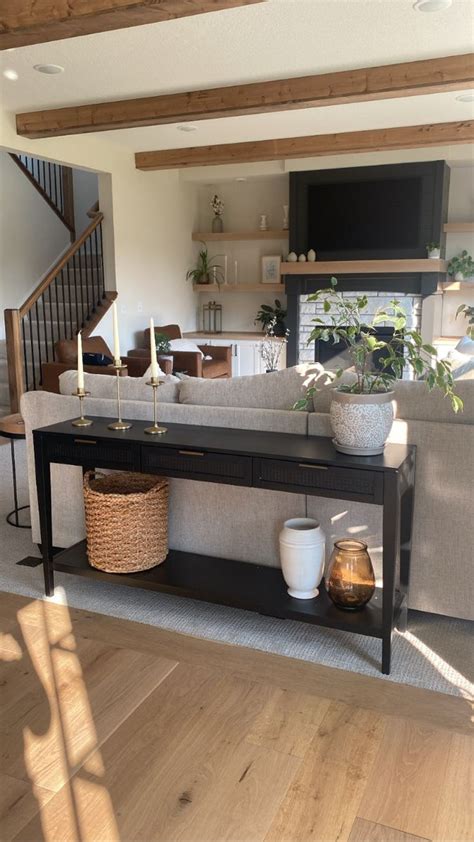
Before falling in love with a particular design or finish, evaluating the physical dimensions of your living area is essential. A console table that looks stunning in a furniture showroom can easily overwhelm a compact urban apartment or look entirely lost in a sprawling suburban great room. Start by measuring the intended wall space or the back length of your sofa, keeping in mind that a standard sofa console table typically looks most harmonious when it spans roughly two-thirds to three-quarters of the sofa’s total length.
Depth is another critical measurement, particularly if you are placing the table in a high-traffic pathway or directly behind seating. Standard console tables usually range from 10 to 18 inches in depth. If your living room features a tight layout, choosing an ultra-slim profile of 12 inches or less prevents accidental bumps and maintains a smooth flow of traffic. Always leave at least 30 to 36 inches of clear walking space around the perimeter of the furniture to ensure the room remains open and comfortable.
Height Considerations and Visual Balance
Height plays a major role in how balanced your console table looks relative to surrounding pieces. Most standard console tables stand between 30 and 34 inches tall, which usually aligns just below or flush with the top of a standard sofa back. If the table sits significantly higher than the couch, it can create an awkward visual barrier, whereas a table that sits too low may get swallowed up by plush, oversized upholstery.
When positioning a console table against a bare wall without furniture in front of it, consider how the height interacts with architectural elements like baseboards, windowsills, and wall art. Hanging a mirror or a piece of artwork roughly 6 to 8 inches above the tabletop establishes a cohesive vertical focal point. This simple spacing rule prevents the decor from looking detached and ties the entire wall vignette together seamlessly.
Popular Material and Style Pairings for Modern U.S. Homes
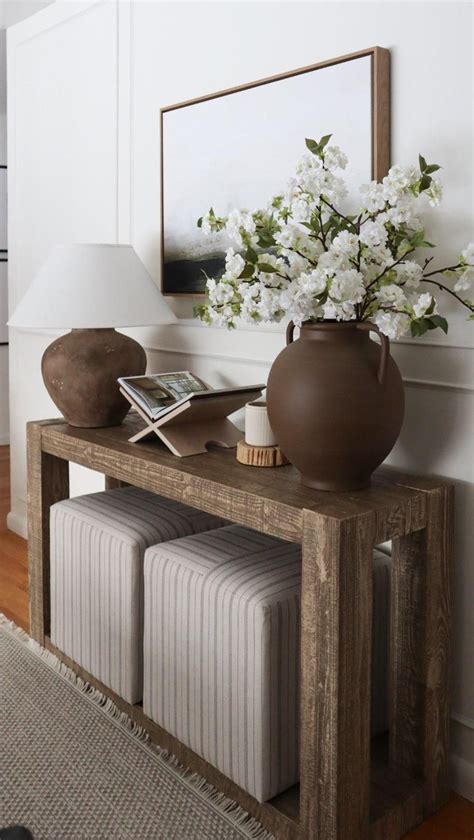
Material selection dictates both the visual weight and the long-term durability of your console table. Solid wood tables, ranging from warm walnut and rustic oak to weathered pine, bring organic warmth and traditional grounding to a room. These natural finishes excel in modern farmhouse, transitional, and classic American interiors. However, households with active children or pets should consider durable catalyzed finishes that resist moisture rings, scratches, and everyday wear.
For contemporary, industrial, or minimalist living rooms, mixed-media designs featuring powder-coated steel frames paired with tempered glass or sintered stone tops offer a sleek, airy aesthetic. Glass-topped console tables are particularly beneficial in smaller rooms because they allow light to pass through, creating an optical illusion of extra floor space. Metal frames also provide exceptional structural rigidity without adding bulky visual mass to tight layouts.
Balancing Durability with Aesthetic Appeal
Selecting materials that withstand the realities of daily household traffic requires a careful look at lifestyle needs. Families with young children often prioritize rounded corners and sturdy, heavy-base designs that resist tipping. Wall-anchoring kits are an important safety feature to consider, especially if the table will support heavier items like ceramic lamps, large stacks of art books, or electronic equipment.
Maintenance is another practical factor to weigh before purchasing. Reclaimed wood surfaces often feature natural grooves and knots that easily mask minor dings, making them forgiving for busy households. Conversely, polished marble or high-gloss lacquer surfaces look exceptionally refined but require prompt attention to spills to prevent permanent staining or etching over time.
Creative Layout Strategies: Where to Place Your Console Table
The placement of a console table defines its primary function within your living room. The classic positioning—floating directly behind a sofa—creates a natural division in open-concept floor plans, separating a conversation area from an adjoining dining space or entryway. When using this layout, ensure the table sits a few inches lower than the sofa back to maintain clean sightlines across the room.
Alternatively, placing a console table against a blank accent wall provides an opportunity to build a striking display vignette. This setup works exceptionally well beneath large windows or flanked by pair of accent armchairs. You can also utilize a console table as a media console beneath a television, provided the unit’s width exceeds the base of the TV to maintain proper geometric proportion and stability.
Step-by-Step Styling Formulas for a Polished Look
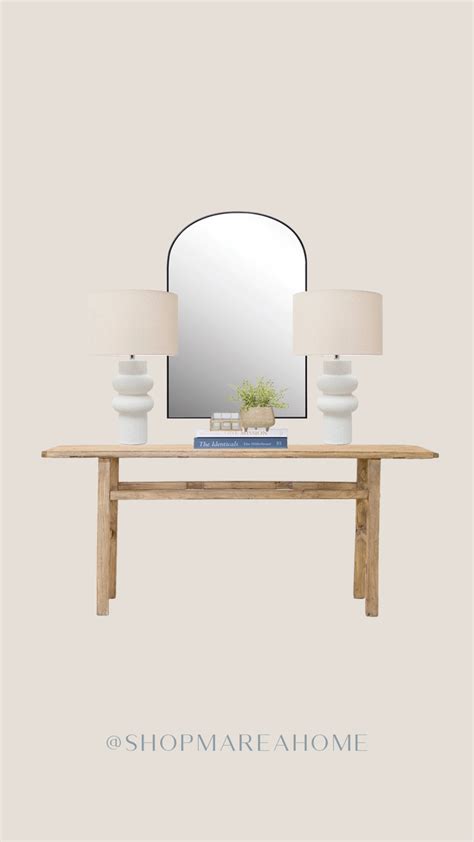
Styling a console table successfully comes down to balancing heights, textures, and negative space rather than overcrowding the surface with knick-knacks. A reliable interior design formula is the rule of thirds, which divides the tabletop visually into sections to prevent clutter. Start by anchoring one side with a tall vertical element, such as a sculptural table lamp or a framed piece of art leaning against the wall.
In the middle section, incorporate medium-height objects like a stack of decorative coffee table books topped with a small brass decorative object or a candle. Balance the opposite side with an organic element, such as a ceramic vase filled with fresh stems or a trailing potted plant that softens the hard edges of the furniture. Leaving some negative space empty ensures the arrangement feels curated, breathable, and visually sophisticated.
Frequently Asked Questions
How do I choose the best console table size for my living room?
Measure your available wall space or sofa length, aiming for a console table that spans two-thirds to three-quarters of the furniture piece it accompanies. For depth, choose 10 to 18 inches depending on traffic flow, ensuring at least 30 inches of clearance around the table.
What are the top console table styles trending in U.S. homes?
Current trends favor versatile designs such as warm wood modern farmhouse tables, sleek minimalist glass-and-metal combinations, and mixed-media industrial styles that combine functional storage with clean architectural lines.
How can I style a console table behind a sofa?
Keep the table a few inches lower than the sofa back. Use a balanced arrangement featuring a tall table lamp on one side, a stack of books in the center, and organic elements like a plant or vase on the opposite side to create visual interest.
Which console table materials are most durable for families and pets?
Solid hardwoods with durable protective finishes and heavy metal-framed tables are ideal for active households. Reclaimed wood naturally masks minor dings, while rounded edges and sturdy wall anchors enhance overall home safety.


