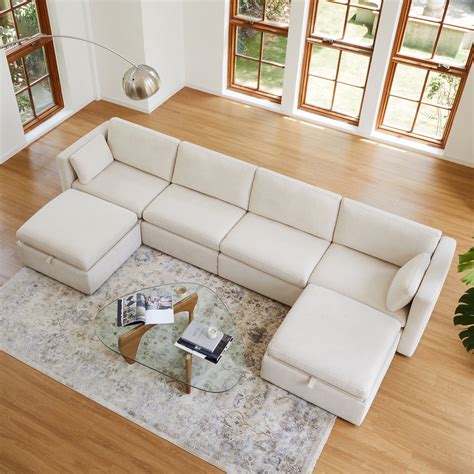
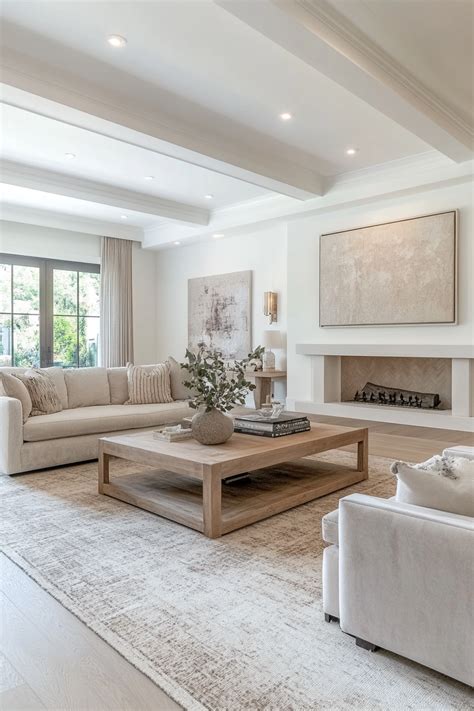
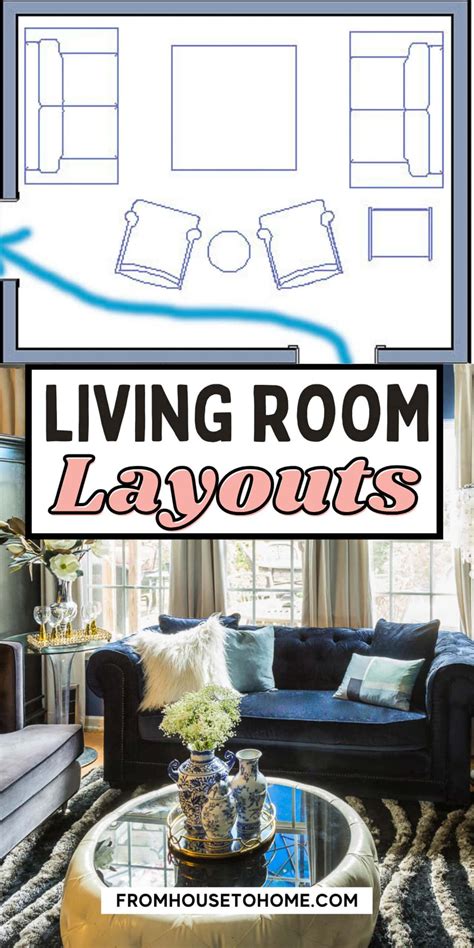
Designing a sophisticated gathering space does not require spending months sourcing individual vintage chairs or stressing over matching wood undertones. For busy homeowners and renters navigating standard American layouts—ranging from open-concept suburban great rooms to compact urban apartments—curated living room packages offer a streamlined shortcut to high-end interior design. These pre-matched bundles typically pair a foundational sofa and accent chairs with complementary coffee tables, media consoles, and side tables, removing the guesswork from spatial planning.
However, the primary challenge of buying a pre-curated package is avoiding a sterile, showroom-stiff aesthetic. True elegance relies on layering, texture, and personalization. By understanding how to select the right package foundation and knowing how to inject distinct character into the setup, you can achieve a sophisticated living room that feels naturally collected over time rather than purchased all at once.
Anatomy of an Elegant Living Room Package
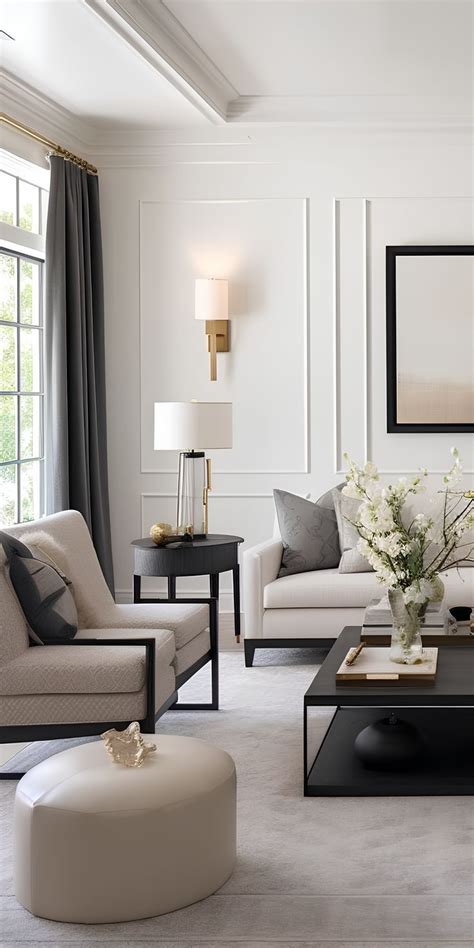
A well-curated furniture package is much more than a random grouping of matching items; it represents a carefully balanced equation of scale, visual weight, and functional flow. At its core, a standard package usually features an anchor sofa, one or two accent seating pieces, a primary coffee table, and auxiliary surface areas. The true test of elegance lies in how these core items interact with one another in terms of silhouette and fabric composition.
When evaluating package offerings, look for intentional contrast rather than monotonous repetition. For instance, a high-quality package will pair a tailored, neutral linen-blend sofa with organic wood side tables and a contrasting metal-framed coffee table. This prevents the room from feeling flat. Furthermore, premium packages consider the negative space in a room, ensuring that sightlines remain open and pathways unobstructed, which is crucial for modern American floor plans where the living room often flows directly into the kitchen or dining area.
Decoding Material Quality and Construction
Beneath the stylish upholstery and attractive wood finishes, the structural integrity of a furniture package dictates its long-term value. High-end curated sets utilize kiln-dried hardwood frames, corner-blocked joinery, and resilient high-density foam cushions wrapped in down-blend or durable performance fibers. When browsing packages online or in showrooms, examine the specifications for fabric rub counts and frame warranties. Investing in robust foundational pieces ensures that your curated room withstands daily family use without sagging or losing its sophisticated silhouette.
Surface materials also demand close attention. A curated package that mixes matte ceramics, brushed brass hardware, and warm walnut or oak tones creates a tactile richness that elevates the entire space. Avoid packages where every wooden surface features the exact same heavy, high-gloss veneer, as this tends to look dated and mass-produced. Instead, seek out subtle variations in grain and texture that catch the natural light throughout the day.
Popular Curated Styles Suited for American Architecture
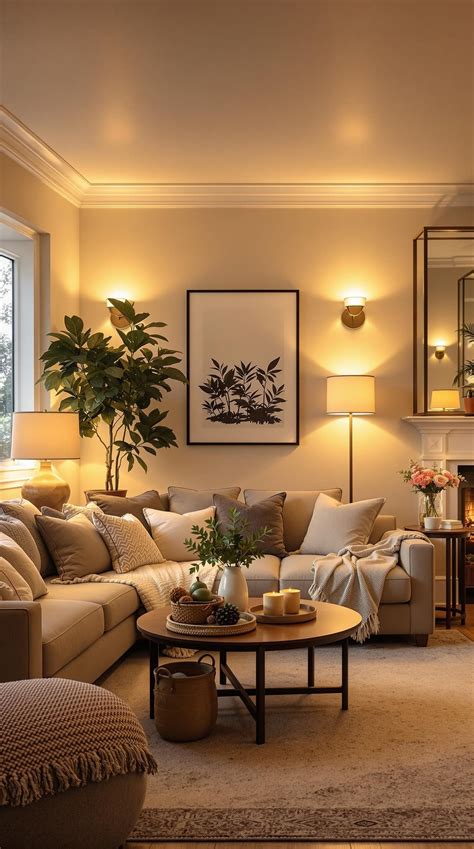
Different American architectural styles call for distinct design vocabularies. A craftsman bungalow in the Midwest, a Spanish revival in California, and a colonial-style home on the East Coast all possess unique spatial footprints and natural lighting conditions. Selecting a curated package that nods to your home’s architectural heritage creates a harmonious indoor environment where the furniture feels entirely at home.
Modern Transitional remains one of the most versatile choices for contemporary American homes. It bridges the gap between classic comfort and clean-lined contemporary design, featuring rolled or track arms, neutral upholstery palettes, and understated hardware. For spaces with abundant natural light and minimalist inclinations, a Warm Minimalist package—featuring low-profile seating, travertine stone accents, and bouclé or textured cotton fabrics—brings serene sophistication without visual clutter.
Coastal Chic and Classic Traditional Alternatives
If your home leans toward breezy openness or timeless formality, specialized packages provide alternative routes to elegance. Coastal Chic packages swap heavy dark woods for weathered oak, slipcovered linen sofas, and pale jute textures, making standard suburban rooms feel like an airy seaside retreat. Conversely, Classic Traditional packages emphasize tufted leather or velvet chesterfields, dark mahogany finishes, and sophisticated symmetry, anchoring formal living rooms that prioritize dignified conversation over casual television viewing.
Assessing your lifestyle is essential before committing to a style. While a pristine white slipcovered coastal package looks stunning in photographs, homes with active pets or young children require performance fabrics treated to resist stains while maintaining a luxurious hand-feel. Always verify fabric care requirements within the package specifications to ensure your elegant aesthetic remains practical for everyday life.
Balancing Scale and Proportion in Standard Floor Plans
One of the most common pitfalls in American living room styling is misjudging the scale of furniture relative to the room’s square footage. Oversized sectionals can easily overwhelm a narrow urban row house, while undersized apartment sofas float awkwardly in expansive suburban great rooms. Curated packages often come in multiple configuration sizes, making it vital to measure your space carefully before ordering.
To maintain proper traffic flow, ensure there is at least thirty inches of clearance around major pathways and roughly eighteen inches between the edge of the sofa and the coffee table. If your living room features vaulted ceilings, look for packages that include taller media units or tall vertical shelving to draw the eye upward and fill the vertical volume. Conversely, standard eight-foot ceilings require lower-profile seating options to keep the room feeling spacious and breathable.
Personalizing Your Package: Moving Beyond the Showroom Look

The greatest risk of purchasing a pre-curated furniture package is that your living room may resemble a generic retail catalog. Fortunately, a curated package should be viewed as a high-end canvas rather than a rigid, immutable rulebook. The secret to making a matching set feel deeply personal lies in the secondary layers: lighting, textiles, wall art, and meaningful decorative objects.
Introduce contrast by swapping out standard throw pillows and blankets for vintage textiles, block-print lumbar pillows, or heavy wool knits that reflect your personal travel and heritage. Introduce statement lighting—such as an artisanal ceramic table lamp or an oversized arched floor lamp—rather than relying solely on the flush-mount fixtures typical of standard construction homes. Finally, anchor the seating arrangement with a distinct, high-quality area rug that ties the package colors together while adding a completely unique textural element to the floor.
Frequently Asked Questions
What items are typically included in a curated living room furniture package?
A standard living room package generally includes a foundational sofa, one or two accent chairs, a central coffee table, and one or two matching or complementary side tables. Some comprehensive packages may also bundle a media console, table lamps, or a coordinating area rug to provide a complete turnkey solution.
How can I prevent a pre-curated furniture set from looking too uniform?
You can break up the showroom look by introducing non-matching elements through accessories, textiles, and lighting. Layer in vintage throw pillows, unique ceramic decor, artwork with personal significance, and alternative lighting fixtures like floor lamps to add collected depth to the space.
Are pre-curated furniture packages cost-effective?
Yes, furniture packages often offer better overall value than purchasing each piece individually, as retailers bundle them at a discounted rate. They also save valuable time by eliminating the need to cross-reference dimensions, finishes, and design styles across multiple stores.
How do I know if a living room package will fit my specific room layout?
Always measure your room dimensions and map out the furniture footprint using painter’s tape on your floor before purchasing. Pay close attention to the package dimensions, ensuring you maintain at least thirty inches of clear walking space around the perimeter of the arrangement.