When designing a truly contemporary living room, the flooring choice sets the foundational tone for every other element in the space. Traditional hardwood and plush carpets have long dominated American homes, but polished, high-reflective surfaces are rapidly gaining traction among modern interior designers. Opting for glossy tile flooring introduces an immediate sense of sleek sophistication, effortlessly transforming a standard room into an architectural statement. By bouncing natural and artificial light across the room, these reflective surfaces create an airy atmosphere that feels both expansive and deeply intentional.
However, bringing high-shine surfaces into a heavily trafficked living area requires careful planning. While the visual payoff is undeniable, homeowners must balance aesthetic ambitions with daily realities such as traction, acoustics, and maintenance routines. Understanding how light, furniture placement, and tile composition interact ensures that your contemporary living room remains as comfortable as it is striking.
The Appeal of Glossy Surfaces in Contemporary Living Rooms
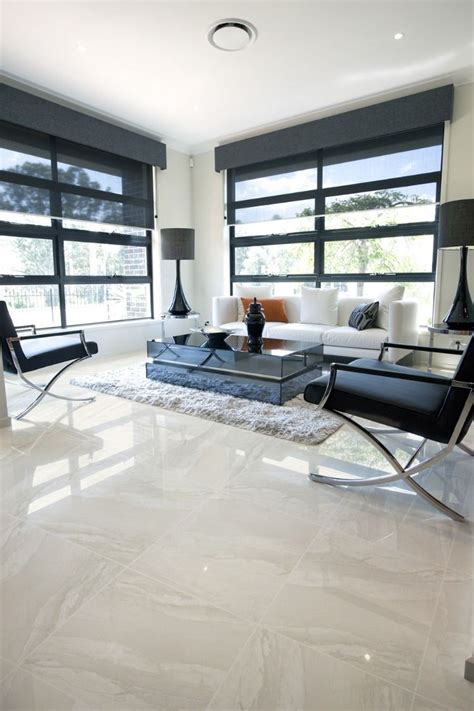
The primary draw of glossy tile flooring lies in its exceptional ability to amplify illumination. In spaces with limited access to direct sunlight, a polished porcelain or glazed ceramic tile acts as a horizontal mirror, diffusing daylight deeper into the room. This optical brightening effect makes compact urban apartments and mid-sized suburban living rooms feel remarkably more open and breathable.
Beyond luminosity, glossy finishes offer a tactile and visual crispness that matte floors simply cannot replicate. The smooth, glass-like surface provides a clean-lined backdrop that complements minimalist, industrial, and transitional design schemes. Pairing these polished floors with contrasting organic textures—such as raw wood coffee tables, heavy linen drapery, or chunky knit throws—prevents the room from feeling cold or sterile, establishing a sophisticated equilibrium.
Strategic Styling: Balancing Light, Furniture, and Rugs
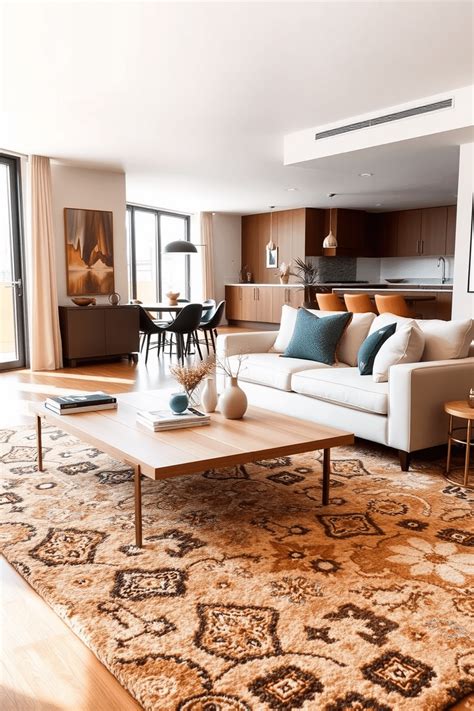
Because glossy floors reflect everything around them, furniture selection plays a pivotal role in the overall composition. Low-profile sofas, floating media consoles, and furniture with slender metal or exposed wood legs allow light to travel uninterrupted across the tile surface. This keeps the room feeling light-filled rather than crowded, even when housing substantial seating arrangements.
Area rugs serve a dual purpose in a high-gloss living room: they anchor floating furniture groups and introduce vital acoustic absorption. Polished tiles tend to bounce sound waves, creating subtle echoes that can make a room feel less intimate. Layering a plush, high-pile wool or textured jute rug over your glossy floor softens the acoustics while providing a cozy tactile transition underfoot where you sit and relax.
Managing Practical Realities: Maintenance and Safety
A common hesitation regarding glossy tile flooring is the daily upkeep required to keep it looking pristine. Unlike textured matte surfaces, highly polished tiles readily show footprints, pet hair, and dust specks under angled sunlight. Establishing a simple maintenance routine involving microfiber dust mops and pH-neutral cleaners prevents buildup without dulling the protective glaze over time.
Safety and slip-resistance represent another crucial consideration, particularly in households with young children or aging family members. While living rooms typically experience less moisture than kitchens or bathrooms, spills still happen. Selecting tiles with an appropriate slip-resistance rating for dry interior residential spaces ensures safety without sacrificing the sought-after mirror finish. Additionally, strategically placed runners in high-traffic pathways offer extra traction and peace of mind.
Color Palettes and Tile Sizing for Maximum Impact
The choice of tile color and format profoundly influences the room’s final character. Large-format tiles—measuring 24×24 inches or larger—minimize grout lines, resulting in a seamless, uninterrupted expanse of reflective surface that enhances the illusion of a grander space. Neutral tones such as soft ivory, warm greige, and pale charcoal offer timeless versatility, allowing your accent colors to evolve over the seasons.
For those leaning into bold, dramatic aesthetics, deep black or midnight blue glossy tiles create an undeniable luxury hotel vibe. While darker reflective surfaces require more frequent dusting, their capacity to absorb and reflect ambient lighting from lamps and candles yields an intimate, moody atmosphere during evening hours. Carefully mapping out your lighting layout ensures these darker hues glow rather than swallow the room’s energy.
Frequently Asked Questions
Are glossy tiles too slippery or impractical for a living room?
While polished tiles can feel slick when wet, dry living room environments generally pose minimal slipping risks if appropriate residential-grade tiles are selected. Ensuring that spills are wiped up promptly and utilizing area rugs in main walking zones maintains safety while preserving the modern aesthetic.
How do you keep glossy tile floors looking clean and streak-free?
Maintaining streak-free shine requires regular dry dust-mopping to remove abrasive grit, followed by damp mopping using warm water and a specialized pH-neutral tile cleaner. Avoid harsh chemical detergents or oil-based soaps, which can leave a hazy film that diminishes the floor’s natural reflectivity.
Can glossy tiles make a small living room look bigger?
Yes, the mirror-like quality of high-gloss tiles reflects both natural sunlight and overhead fixtures, bouncing illumination around the room and visually expanding the perceived boundaries of compact spaces.
What furniture styles pair best with high-gloss tile flooring?
Furniture with slender legs, transparent acrylic elements, or warm natural wood tones contrasts beautifully against the sleekness of glossy floors, preventing the room from feeling overly heavy or industrial.


