Updating your main gathering area does not always require knocking down walls or draining your savings account. Whether you hold a mortgage on a suburban house or lease a metropolitan apartment across the United States, refreshing your living room starts with identifying how the space serves your daily routine. Contemporary American interior design increasingly emphasizes flexibility, sustainable materials, and cozy, warm neutral palettes that invite relaxation after long workdays.
However, the execution of these design concepts varies dramatically depending on your lease agreement or property ownership. Homeowners enjoy the freedom to install custom architectural elements and alter permanent finishes, whereas renters must master non-invasive design tricks that deliver major visual impact without risking security deposits. Exploring parallel strategies for both groups helps bridge the gap, proving that style and innovation are accessible regardless of your housing arrangement.
Embracing Modern U.S. Living Room Trends
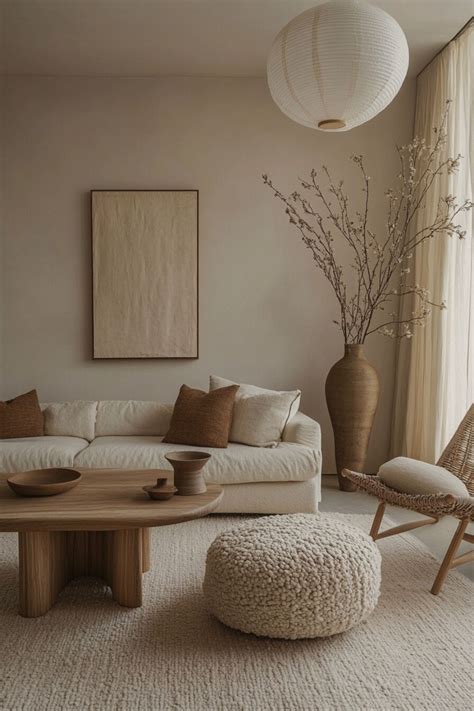
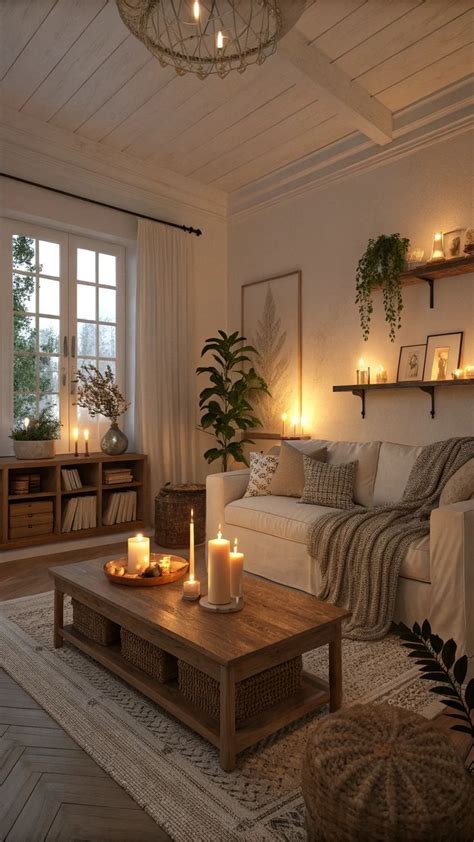
Current interior aesthetics across American homes lean heavily toward organic textures, biophilic elements, and multifunctional zoning. Designers frequently swap stark minimalist whites for grounding earth tones, rich terracotta, warm beige, and subtle olive greens. This shift creates a more intimate atmosphere, turning a cavernous living room into a cozy sanctuary. Incorporating natural materials like bouclé fabrics, travertine coffee tables, and unlacquered brass hardware adds tactile depth that elevates the entire room.
For homeowners, implementing these trends often involves investing in durable, long-term architectural features. Installing slatted wood wall paneling or engineered hardwood flooring establishes a high-end foundation that adapts well to shifting decor cycles. Renters can achieve a similar sophisticated look by curating textiles and furniture silhouettes. Choosing a streamlined sofa with performance linen fabric, layering jute and vintage-style wool rugs, and introducing large potted plants like a fiddle-leaf fig or snake plant captures the biophilic trend effortlessly without structural changes.
High-Impact Upgrades for Homeowners
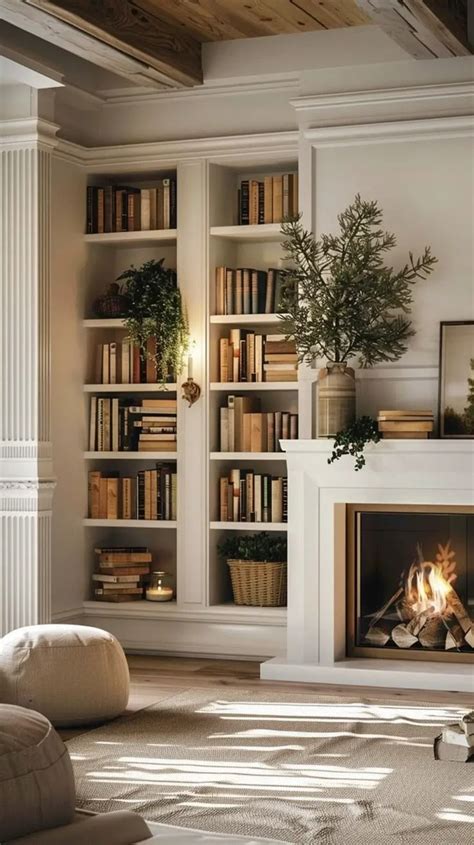
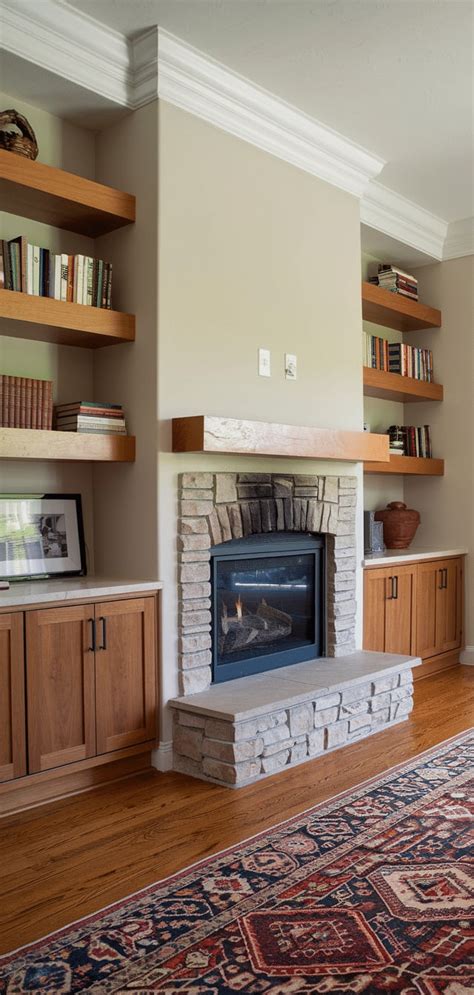
When you own your home, a living room remodel can address structural inefficiencies alongside surface aesthetics. One of the most sought-after permanent improvements is the addition of custom built-in shelving flanking a fireplace or media wall. Built-ins maximize vertical square footage, reduce visual clutter by providing concealed storage, and add substantial resale value to the property. Planning such a project generally requires a mid-range budget and several weeks of carpentry work, but the payoff transforms the room’s architecture completely.
Another effective structural update involves altering doorways, widening pass-throughs, or upgrading window casings to let in more natural light. Expanding an entryway creates an open-concept flow between the living room and kitchen, which remains a top priority for modern family living. When budgeting for homeowner renovations, it is wise to allocate a contingency fund of roughly fifteen percent for unexpected electrical or drywall adjustments behind the walls.
Renter-Friendly Solutions with Maximum Visual Return

Leasing a property places clear boundaries on permanent alterations, but it should never limit your interior design ambitions. Temporary surface treatments have evolved significantly, offering high-end appearances that remove cleanly upon move-out. Peel-and-stick wallpaper is a fantastic medium for creating a striking accent wall behind a media console or bookshelf. Choose renter-safe, high-grade vinyl options that mimic grasscloth or subtle geometric plaster textures to add architectural interest to plain rental drywall.
Beyond walls, hardware swaps offer a surprisingly powerful transformation. Many standard rental properties feature builder-grade cabinet pulls or outdated light fixtures. With your landlord’s permission, you can unscrew standard drawer pulls on a media credenza or side table and store them safely until your lease ends, replacing them temporarily with modern matte black or brushed brass hardware. For overhead lighting, plug-in wall sconces mounted with heavy-duty picture hangers provide layered illumination without requiring hardwired electrical work.
Mastering Layout and Smart Lighting Strategies
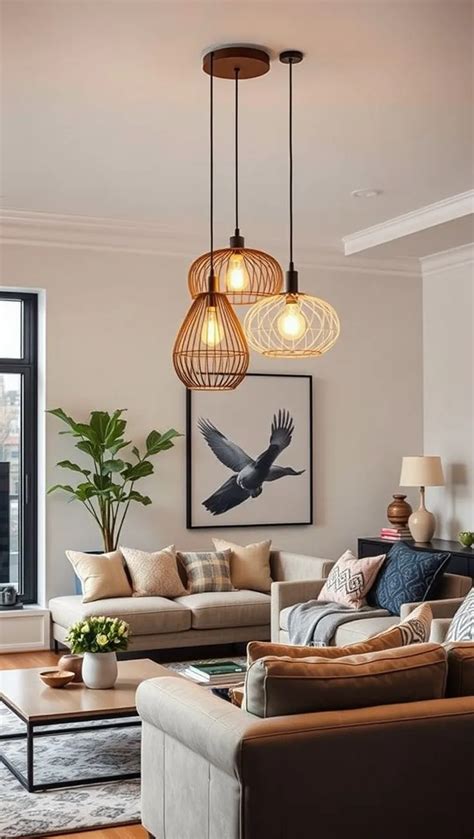
A common pitfall in living room design is pushing all furniture against the perimeter walls, which inadvertently creates a cavernous, uninviting dead space in the middle. Instead, float your primary seating arrangement slightly away from the walls to encourage natural conversation paths. In smaller urban apartments, multi-functional furniture such as an ottoman with hidden storage or a nesting coffee table set ensures the room remains versatile without feeling overcrowded or chaotic.
Layered lighting is the secret weapon of professional designers and remains equally crucial for both owners and renters. Relying solely on a harsh overhead ceiling fan light washes out textures and kills ambiance. Instead, combine three tiers of illumination: ambient floor lamps, task lighting near reading chairs, and warm accent lighting on bookshelves. Utilizing smart bulbs allows you to adjust color temperatures throughout the day, shifting from crisp daylight during morning hours to a soft, amber glow in the evening.
Frequently Asked Questions
What are the top living room design trends in the U.S. right now?
Current trends emphasize warm neutrals, organic textures like bouclé and travertine, biophilic design through abundant indoor greenery, and multifunctional zoning that accommodates both relaxation and remote work.
How can renters update their living room without losing their security deposit?
Renters can use peel-and-stick wallpaper for accent walls, plug-in wall sconces instead of hardwired fixtures, temporary window treatments, and high-impact textiles like large area rugs and throw pillows to completely transform a space without damaging walls or permanent structures.
What is the best way to arrange furniture in a small living room?
Avoid pushing all furniture flush against the walls. Pulling seating slightly inward creates better traffic flow and intimacy. Incorporating multi-functional furniture pieces, such as nesting tables or storage ottomans, also maximizes floor space.
How much should I budget for a living room remodel as a homeowner?
Budgeting varies widely based on the scale. Simple cosmetic updates like paint and new lighting can cost a few hundred dollars, while mid-range structural updates involving custom built-ins and new flooring typically range from several thousand dollars upwards.