Revitalizing a tired living space does not require a massive renovation budget or professional interior designers. For many homeowners and apartment dwellers across the United States, refreshing a room comes down to strategic, high-impact do-it-yourself projects that can be finished over a single weekend. By focusing on surface transformations, clever lighting choices, and intentional textile layering, you can completely alter the atmosphere of your main gathering space without draining your savings account.
Whether you are dealing with dated builder-grade finishes or the temporary constraints of a rental lease, affordable DIY upgrades offer a flexible path toward a more curated, expensive-looking interior. The secret lies in selecting projects that target visual focal points—such as walls, windows, and lighting—while avoiding costly structural changes. The following practical strategies balance aesthetic ambition with realistic timeframes and material availability found at typical American home improvement retailers.
High-Impact Wall Treatments on a Small Budget
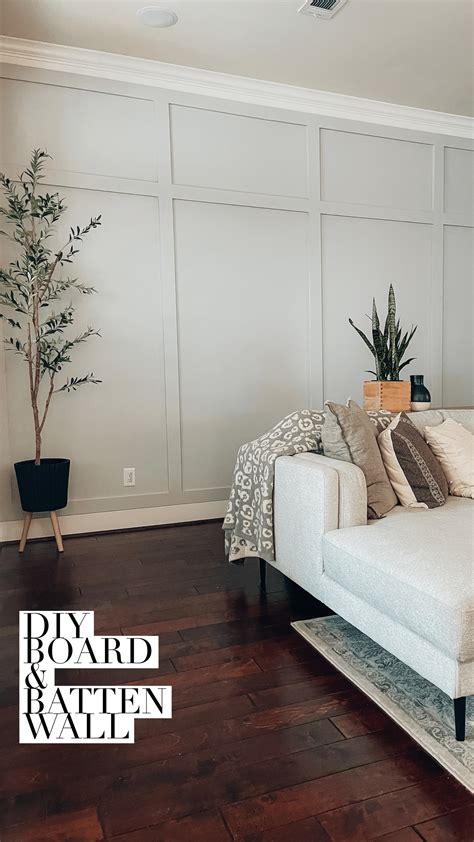
Walls occupy the largest surface area in any living room, making them the most logical starting point for a budget makeover. A fresh coat of paint remains the most cost-effective way to redefine a room’s character, but you can elevate standard painting by introducing architectural details. Consider applying a half-wall board and batten treatment using lightweight MDF strips from your local hardware store. This adds instant architectural depth and character to plain drywall, masking minor surface imperfections while creating a custom, high-end feel.
For renters who cannot permanently alter their walls, peel-and-stick wallpaper or large-scale wall decals offer an incredible temporary alternative. These products have evolved significantly, featuring textured finishes and sophisticated patterns that mimic grasscloth, linen, or hand-painted murals. When applying temporary wallpaper, take your time smoothing out air bubbles with a plastic squeegee, and always test a small, hidden section first to ensure it removes cleanly from your specific wall paint without leaving sticky residue.
Layering Lighting for an Elevated Ambience
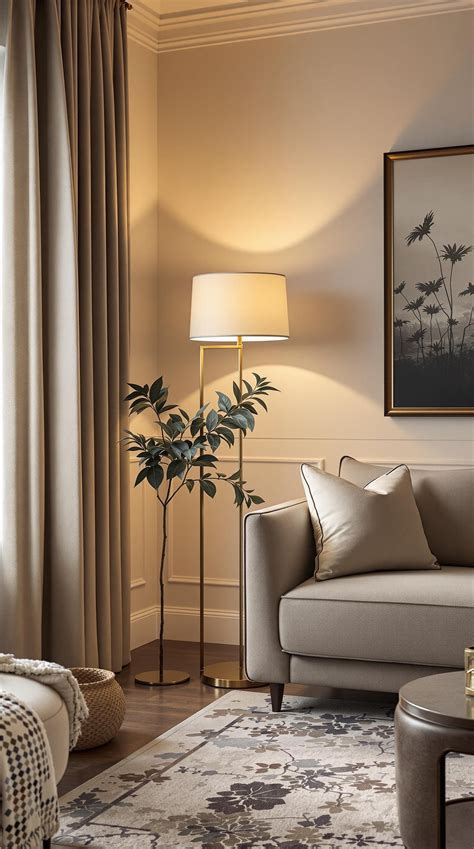
Overhead lighting in many US living rooms relies on harsh, center-of-the-room flush mount fixtures that cast unflattering shadows. Upgrading your lighting through layered illumination instantly transforms the mood of the space. Introduce floor lamps in dark corners, table lamps on sideboards, and wall sconces that do not require hardwiring—such as battery-operated puck lights housed inside stylish sconce fixtures. This technique draws the eye around the room and creates cozy pools of warm light in the evening.
Another clever trick to make a space feel more expensive is swapping out basic builder-grade switch plates for decorative brass, matte black, or brushed nickel alternatives. This minor hardware swap takes just minutes per room and costs very little, yet it elevates the overall finish of the interior. If you have older lamps, consider replacing standard shades with drum shades in linen or pleated fabric to instantly modernize vintage or thrifted finds.
Refreshing Furniture and Textiles Without Buying New
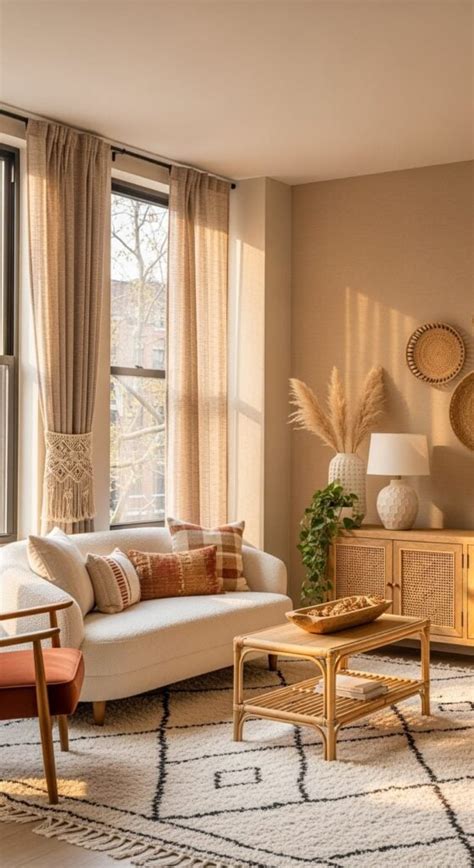
Before purchasing entirely new furniture, look at your existing pieces with a critical eye for potential updates. Solid wood coffee tables or sideboards can be sanded down and treated with a dark wood stain or a modern matte sealer to neutralize outdated orange or red undertones. Alternatively, applying a quality slipcover to a tired sofa can completely change the color palette of the room while protecting the underlying fabric, making it an ideal solution for families and pet owners.
Textiles are your best friend when updating a living room on a tight budget because they introduce softness, color, and pattern without permanent commitment. Swap out heavy summer drapes for airy linen-blend curtains hung high and wide—meaning mounted a few inches below the ceiling line and extending past the window frame—to create the optical illusion of larger windows and higher ceilings. Complement this with a mix of textured throw pillows and a durable area rug that anchors your seating arrangement.
Frequently Asked Questions
What are the cheapest ways to make a living room look high-end?
The most cost-effective ways to elevate a living room include hanging curtain panels high and wide to frame windows dramatically, upgrading basic light switch plates, decluttering surfaces, and introducing layered lighting like floor and table lamps instead of relying on harsh overhead fixtures.
How can renters upgrade their living rooms without losing security deposits?
Renters can use peel-and-stick wallpaper accent walls, command strips for hanging lightweight art galleries, plug-in wall sconces that avoid electrical wiring, and furniture slipcovers or area rugs to inject personal style without causing permanent alterations to walls or floors.
Which DIY projects can be finished in a single weekend?
Weekend-friendly projects include painting an accent wall, installing lightweight board and batten molding, upcycling a wooden coffee table with new stain or hardware, and assembling a cohesive gallery wall layout using budget frames.
Where can I source affordable decor materials in the United States?
Standard home improvement warehouses like Home Depot and Lowe’s provide affordable lumber, paint, and hardware. For decorative accents, textiles, and budget-friendly frames, major retailers like Target, IKEA, HomeGoods, and local thrift stores offer excellent value.


