When your primary gathering space begins to feel stagnant, undertaking a living room remodel is one of the most rewarding home projects you can pursue. Whether you want to perform a minor seasonal update or completely reimagine your floor plan, approaching the transformation with a clear plan ensures a cohesive result. The most successful updates balance aesthetic charm with practical everyday comfort, creating an environment that feels both curated and deeply welcoming for family and guests alike.
Updating your space does not always require knocking down walls or ordering custom cabinetry. Many impactful changes rely on smart styling, intentional color choices, and versatile furniture placement that maximizes natural light and spatial flow. By exploring a wide spectrum of creative concepts, homeowners and renters alike can discover approachable ways to elevate their interiors without overextending their timelines or budgets.
Foundation and Color: Setting the Right Tone
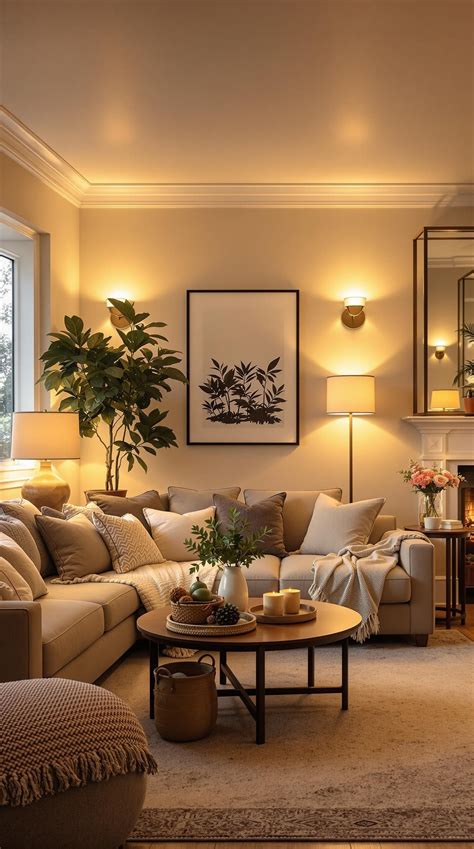
Establishing a fresh color palette is the cornerstone of any successful living room transformation. The right hues dramatically alter how spacious, bright, or cozy a room feels throughout the changing daylight hours. Careful consideration of undertones helps prevent a space from feeling sterile or overly dim.
1. Embrace Warm Neutrals: Shift away from stark, cool grays toward inviting warm beiges, soft ivories, and subtle taupes to instantly warm up a dark living room. Warm neutrals create an enveloping backdrop that easily complements both modern and traditional furnishings, making future decor shifts simpler and more harmonious.
2. Create a Moody Accent Wall: Paint a single focal wall in a rich, saturated shade like forest green or deep navy to anchor your seating area without overwhelming the room. This technique adds immediate visual depth, drawing the eye across the space and defining specific functional zones within an open-concept layout.
3. Whitewash or Paint Brick Fireplaces: Give dated red brick a modern matte black or clean white finish to lighten the entire vertical volume of the space. A fresh coat of specialized masonry paint or a subtle whitewash preserves the historic texture of the brick while aligning it with contemporary interior palettes.
4. Introduce Earthy Tones: Incorporate terracotta, olive, and rust shades through smaller accessories if you prefer not to commit to permanent wall paint. Swapping out smaller decor items allows you to test out bolder pigments against your base neutrals before making any long-term design investments.
5. Experiment with Monochrome: Layer varying tones of a single color family across walls, upholstery, and large rugs to build subtle depth and sophisticated visual cohesion. Monochromatic styling removes visual clutter and fosters a serene, harmonious environment ideal for unwinding after a long day.
Lighting Enhancements and Statement Fixtures
Lighting dictates the mood of your living room long after the sun goes down. Moving beyond a single overhead ceiling light allows you to sculpt the space with warmth and dimension, accommodating everything from lively family game nights to quiet evening reading sessions.
6. Hang an Oversized Pendant: Replace a standard flush-mount fixture with a sculptural woven or brass pendant to draw the eye upward and define the seating zone. A large statement light fixture acts as functional art, anchoring the room’s vertical center in the absence of soaring architectural ceilings.
7. Layer Task and Ambient Lighting: Combine floor lamps, dimmable wall sconces, and table lamps to eliminate harsh shadows and create adjustable illumination for any activity. Layering multiple light sources at varying heights ensures the room feels dynamic and cozy rather than flat and clinical.
8. Incorporate Plug-in Sconces: Renters can easily install plug-in wall sconces flanking a sofa or media console to achieve a custom wired look without electrical work. These versatile fixtures offer targeted reading light while freeing up valuable surface space on end tables and sideboards.
9. Maximize Natural Light: Swap heavy, opaque drapery for lightweight linen or cotton sheer panels that filter sunlight while maintaining daytime privacy. Maximizing daylight instantly makes compact living areas feel larger, airier, and more organically connected to the outdoors.
Furniture Layouts and Functional Space Planning
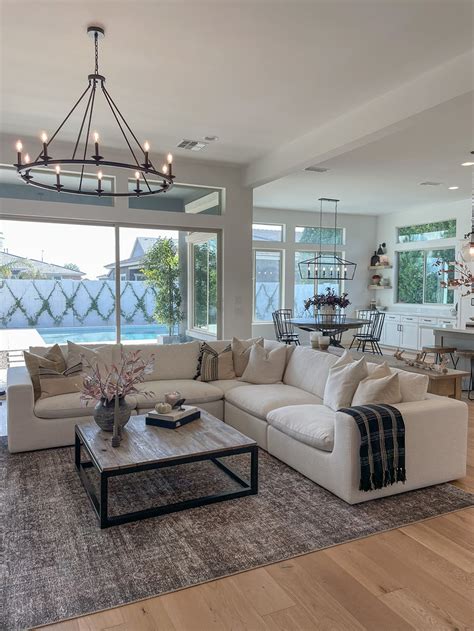
How you arrange your furniture fundamentally changes how your living room functions. Smart layouts improve traffic flow and make compact spaces feel surprisingly expansive, proving that square footage matters less than thoughtful spatial distribution.
10. Float Your Furniture: Pull sofas and armchairs away from the walls toward the center of the room to create an intimate, conversational grouping. Floating furniture establishes clear walkways around the perimeter, improving overall circulation and making the room feel more intentional.
11. Swap Coffee Tables for Ottomans: Replace a rigid wooden coffee table with a soft, upholstered ottoman styled with a sturdy wooden tray for drinks. This modification introduces a child-friendly soft edge while adding versatile seating or leg-resting options during movie nights.
12. Incorporate Multifunctional Pieces: Choose storage benches or nesting tables that can be easily tucked away when hosting larger gatherings. Multifunctional furniture is essential for maximizing utility in multi-use living spaces without sacrificing style or creating visual clutter.
13. Anchor with a Generous Rug: Ensure your area rug is large enough so that at least the front legs of all seating pieces rest comfortably upon it. An undersized rug makes a room feel disjointed, whereas a properly proportioned rug visually unites disparate furniture items into a cohesive vignette.
Textiles, Textures, and Finishing Touches
Textiles introduce tactile warmth and personality, transforming a sterile room into a lived-in sanctuary. Mixing materials prevents a design from feeling flat or one-dimensional, engaging multiple senses to create an inviting atmosphere.
14. Layer Multiple Rugs: Place a smaller vintage-style runner or patterned rug over a large natural jute base to add instant bohemian or transitional character. Rug layering introduces rich pattern play and texture contrasts without requiring permanent structural alterations.
15. Mix Cushion Materials: Combine smooth velvets, coarse linens, and chunky knit throw blankets to invite tactile engagement across your seating arrangements. Varying fabric textures creates visual depth and ensures your sofa looks inviting and dynamic from every angle.
16. Hang Oversized Artwork: Invest in a large-scale canvas or create your own abstract piece to serve as a singular, confident focal point above the sofa. A single large artwork avoids the cluttered look that can happen with poorly spaced gallery walls, offering a clean, modern aesthetic.
17. Style with Living Greenery: Place tall fiddle-leaf figs, trailing pothos, or sculptural snake plants in ceramic pots to introduce organic shapes and vibrant color. Houseplants improve indoor air quality while injecting life and organic asymmetry into structured seating layouts.
18. Incorporate Natural Wood Elements: Add rustic stools, reclaimed wood media units, or wooden bowls to break up the monotony of upholstered surfaces. Wood grain introduces warmth and narrative character, grounding modern interior schemes with organic tactility.
Built-ins, Storage, and Architectural Details
Architectural character elevates even the simplest room. Introducing custom-looking storage solutions or decorative millwork yields a high-end, polished finish that enhances property value and organizational efficiency.
19. Install Floating Shelves: Mount thick oak shelves beside your fireplace or TV to display curated collections of books, ceramics, and framed photography. Floating shelves offer display space without consuming precious floor area, maintaining an open and airy footprint.
20. Build Faux Built-Ins: Flank an existing entertainment center with matching prefabricated bookcases, trimming them out with crown molding for a seamless custom look. This budget-friendly alternative delivers the high-end appearance of custom carpentry at a fraction of the cost.
21. Add Picture Frame Molding: Apply lightweight trim to plain drywall to create classic wall paneling that immediately introduces historic charm and architectural depth. Simple batten or molding treatments transform flat walls into sophisticated design statements.
22. Upgrade Interior Hardware: Replace basic cabinet knobs and drawer pulls on media consoles with sleek unlacquered brass or matte black hardware. Swapping hardware is an approachable, inexpensive weekend project that upgrades the tactile feel of standard furniture.
23. Hide the Television: Mount a frame-style TV that displays classic artwork when not in use, or build a sliding slatted wood screen to conceal the screen entirely. Minimizing the visual dominance of black electronic screens helps maintain a calm, cohesive living room atmosphere.
Frequently Asked Questions
How can I update my living room without a major renovation?
You can refresh your living room without a major renovation by focusing on high-impact, low-effort changes such as swapping throw pillows and rugs, hanging new artwork, updating lighting fixtures, and rearranging your existing furniture layout to improve traffic flow. These tactical updates allow you to alter the mood of the room significantly without dealing with construction dust or building permits.
What are the top living room design trends for a fresh look?
Current design trends lean heavily toward warm neutrals, textured layering with natural fibers like jute and linen, multifunctional furniture pieces, and organic shapes that promote a relaxed, grounding atmosphere. Designers are prioritizing comfort, tactile surfaces, and sustainable materials over stark minimalism or sterile modernism.
How do I choose a color scheme for a small or dark living room?
For small or dark rooms, embrace warm, light-reflecting neutrals like soft cream, warm beige, or gentle taupe. Rather than fighting low light with stark white paint that can look gray or sterile in shadows, warm tones create an inviting, cozy environment that flatters the space and makes it feel intentional.
What are cost-effective ways to make a living room look high-end?
To achieve a high-end look on a budget, use oversized artwork instead of a gallery wall of tiny frames, invest in a generously sized area rug that anchors your seating group, add crown molding or picture frame trim for architectural detail, and upgrade standard lighting fixtures to statement pieces.


