Refreshing a living room requires more than just swapping out a worn-out couch; it involves a thoughtful evaluation of how your household moves, gathers, and relaxes every day. For residents throughout Chicagoland, visiting a large local showroom like Darvin Furniture in Orland Park offers a tangible way to test comfort levels, evaluate fabric durability, and visualize scale before making a commitment. Whether you live in a sprawling suburban split-level or a compact apartment, aligning your furniture choices with your actual spatial dimensions prevents layout crowding and ensures a harmonious atmosphere.
When planning a room revitalization, distinguishing between foundational statement pieces and flexible accent items helps allocate your budget wisely. Large investments like sectionals or entertainment centers dictate the room’s permanent traffic flow, while smaller items like end tables, lamps, and textiles allow you to experiment with evolving design trends. By approaching your local showroom visit with a clear floor plan and specific functional goals, you can navigate vast furniture selections efficiently and build a cohesive living space.
Assessing Scale and Layout Before You Shop
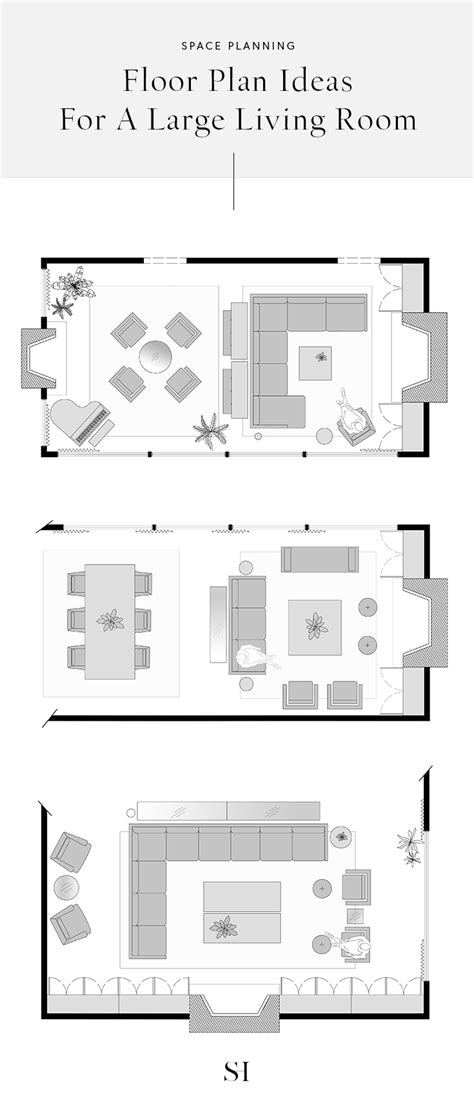
Before browsing any furniture showroom, measuring your physical living space is an absolute prerequisite to prevent costly sizing mistakes. Grab a tape measure and note not just the room’s length and width, but also window placements, radiator locations, radiator covers, doorway clearances, and ceiling heights. A massive sectional that looks perfectly proportioned in an expansive suburban showroom can easily overwhelm a standard urban apartment living room, blocking natural light paths and inhibiting comfortable conversation flow.
Creating a rough to-scale floor plan on graph paper or using a digital layout tool helps you test different furniture configurations before committing to delivery. Factor in standard human ergonomics, leaving at least thirty inches of clear walking path around major seating pieces so the room feels open rather than obstacle-laden. For renters who move frequently, prioritizing modular sofas or lightweight accent furniture provides the flexibility to adapt to entirely different room dimensions in future homes without sacrificing daily comfort.
Choosing the Right Sofa or Sectional for Your Lifestyle
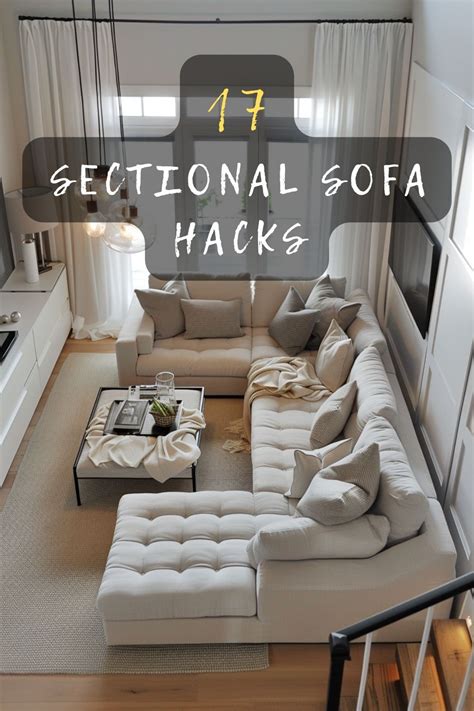
The sofa remains the absolute anchor of any living room, balancing visual weight with high-frequency daily use. When evaluating options at Darvin Furniture in Orland Park, consider your household dynamic: a household with young children or pets demands high-performance, stain-resistant fabrics like treated microfibers or tightly woven chenille, whereas an adult-only formal sitting room might accommodate luxurious velvet or supple top-grain leather. Deep-seated transitional sofas invite casual lounging, while clean-lined mid-century frames with exposed wooden legs keep smaller rooms feeling visually light and airy.
Sectionals offer unbeatable seating capacity for families who love movie nights, but they require careful consideration of the chaise orientation relative to your room’s focal points. If your layout is prone to future reconfigurations, modular sectional components allow you to shift the chaise from left to right as your spatial needs change. Pairing your chosen sofa with a contrasting neutral wall color or textured area rug immediately establishes a sophisticated backdrop that makes the seating arrangement feel intentional and grounded.
Integrating Statement Accent Chairs and Versatile Tables
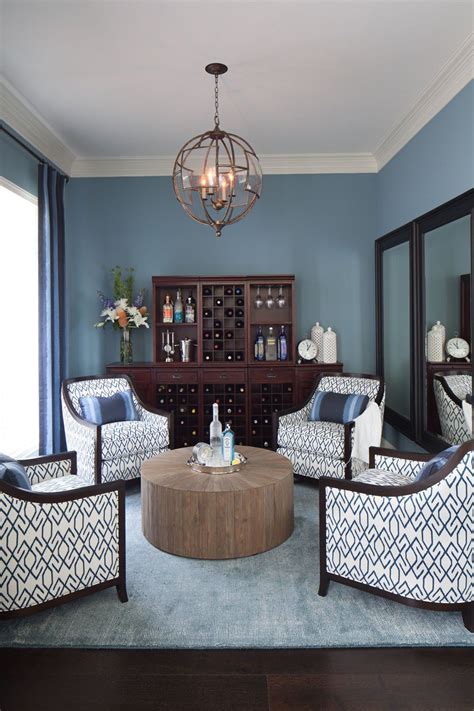
Once your primary seating is established, introducing accent chairs and occasional tables adds necessary visual contrast and utility to the room. Instead of matching every seating piece in a traditional suite, mixing textures—such as pairing a fabric sofa with leather or cane-backed accent chairs—brings depth and designer-curated personality to the space. Swivel chairs work exceptionally well in open-concept layouts where family members want to pivot easily between watching television, conversing, or looking out a window.
Coffee tables and side tables should bridge the gap between beauty and everyday practicality. Storage coffee tables with lift tops or hidden drawers provide ingenious solutions for stashing away remote controls, throw blankets, and children’s toys, keeping surfaces clutter-free. When selecting table materials, mix organic elements like solid wood or travertine stone with sleek metal frames to prevent the room from looking flat, ensuring that every surface contributes texture and tactile interest.
Functional Entertainment Centers and Media Storage
Modern living rooms require smart cable management and media storage solutions that keep electronics organized without dominating the aesthetic. Entertainment centers available at regional showrooms range from low-profile media consoles that emphasize horizontal wall space to expansive wall units with integrated shelving for books and decorative objects. For smaller spaces, a floating console mounted directly to the wall creates an illusion of a larger floor area while making floor cleaning effortless.
When selecting a media unit, ensure that shelf heights and ventilation cutouts accommodate your specific electronic components, gaming systems, and sound bars. Open shelving allows you to display curated collections of ceramics, framed photography, and books, but incorporating closed cabinet doors or woven baskets is essential for hiding unsightly cords, routers, and miscellaneous clutter. Balancing open display with concealed storage maintains a serene, uncluttered environment that enhances relaxation.
Layering Rugs, Lighting, and Accessories to Complete the Room
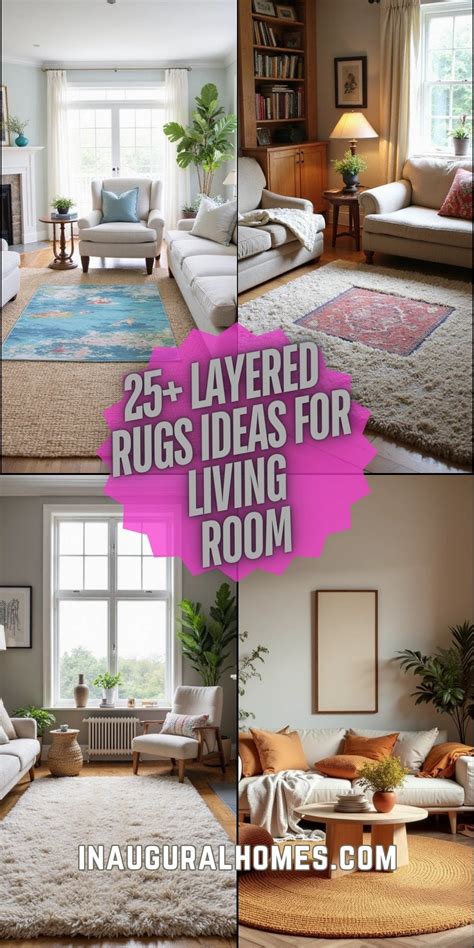
The final layer of any living room revitalization involves textiles, ambient lighting, and decorative accessories that tie the disparate furniture elements together. A properly sized area rug should sit beneath at least the front legs of your sofa and accent chairs, visually anchoring the entire seating group and defining the conversation zone within an open-concept floor plan. Layering a plush, high-pile wool rug over natural jute adds wonderful tactile contrast underfoot while warming up hard flooring surfaces.
Lighting should never be treated as an afterthought; rely on a combination of overhead fixtures, floor lamps, and table lamps to create a warm, multi-dimensional glow at night. Placing a dimmable arc floor lamp behind a reading chair or using sculptural ceramic table lamps on side tables introduces architectural height and varied pools of light. Finish the space with personal touches like botanical greenery, textured throw pillows, and framed art that reflects your personal aesthetic, transforming a showroom-inspired layout into a welcoming, lived-in home.
Frequently Asked Questions
How should I prepare before visiting Darvin Furniture in Orland Park?
Before heading to the showroom, measure your living space accurately, note doorway and hallway dimensions, and take photos of your current room from multiple angles. Bring along paint swatches, fabric samples, or inspiration images to help local design consultants guide you toward pieces that match your color palette and scale requirements.
Are sectional sofas suitable for smaller apartments or condos?
Yes, provided you choose a compact or apartment-scale sectional with a low profile and exposed legs. Modular or reversible sectionals are especially beneficial for renters because they can be reconfigured to fit different room layouts if you move in the future.
How do I mix different wood finishes and furniture styles successfully?
The key to mixing wood tones and styles is to anchor the room with a dominant finish while incorporating contrasting accent pieces that share a common undertone (such as warm or cool). Varying the textures and ensuring clean lines prevent the room from looking mismatched or chaotic.
Can I get professional interior design assistance when shopping locally?
Many large furniture showrooms, including regional destination stores like Darvin Furniture, employ professional design consultants who can assist with spatial planning, fabric selection, and custom order configurations tailored to your specific home layout.


