Finding the right seating anchor for your home involves weighing tactile comfort, visual weight, and long-term resilience against everyday wear. When shopping for leather couches and sofas for American living spaces, buyers often navigate an array of finishes, internal frame constructions, and upholstery grades. A well-chosen leather sofa functions as both a durable investment piece and a foundational design element that anchors everything from open-concept suburban great rooms to compact urban apartments.
Understanding Leather Grades and Their Long-Term Durability
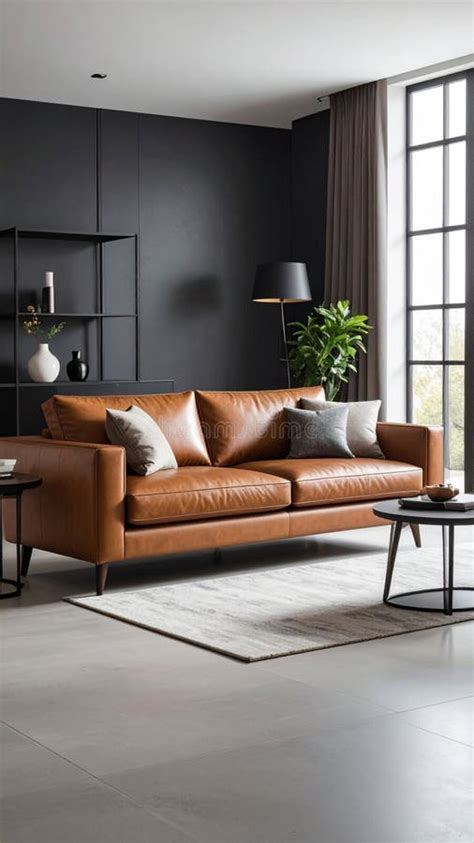
Evaluating durability starts with understanding how hide layers are processed. Full-grain leather represents the outermost layer of the hide, retaining the natural grain and microscopic imperfections. Because the surface remains unaltered, full-grain upholstery breathes remarkably well and develops a rich patina over decades of use. It stands as the gold standard for longevity, though it requires occasional conditioning to prevent drying out in homes with intense central heating or air conditioning.
Top-grain leather, by contrast, undergoes light sanding to buff away natural blemishes before a protective finish is applied. This grade offers a more uniform appearance and enhanced resistance to stains, making it exceptionally popular for active households. Bonded leather, on the other hand, consists of leftover leather scraps shredded and bonded to a polyurethane backing. While budget-friendly, bonded alternatives lack the structural integrity and breathability of authentic hide, and they are prone to peeling within a few years of regular use.
Matching Sofa Scale to Your Living Room Layout
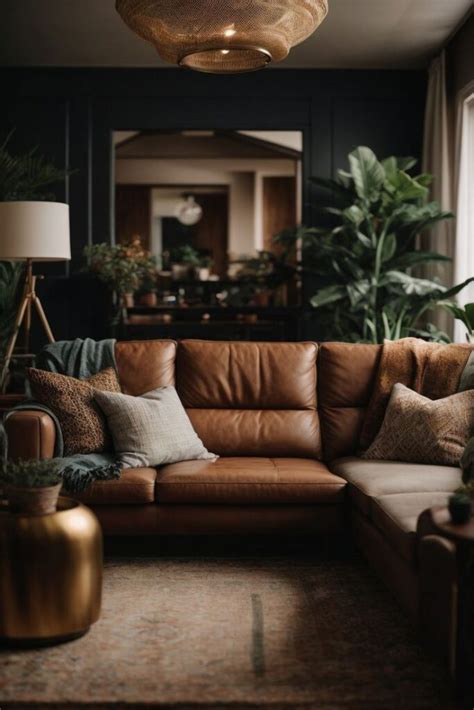
American floor plans vary dramatically, ranging from narrow historic brownstones to sprawling suburban open-concept layouts. Before selecting a silhouette, measure your room’s traffic paths carefully, ensuring at least thirty inches of clearance around the sofa for easy movement. In compact urban apartments, a streamlined mid-century modern leather settee or a slim-arm apartment sofa provides generous seating without overwhelming the visual field.
Suburban great rooms with soaring ceilings and open sightlines can easily accommodate larger configurations, such as deep-seated leather sectionals or matching paired sofas. A leather sectional creates a natural boundary in an open-plan layout, visually separating the living zone from the kitchen or dining space. Pay close attention to seat depth and back height; taller household members generally prefer deeper seats with firm lumbar support, while lower-profile designs keep smaller rooms feeling open and airy.
Color Selection, Lighting, and Interior Aesthetics
The color of your leather sofa dramatically influences the mood and temperature of the entire room. Classic saddle brown, cognac, and chestnut hues bring warmth and organic texture to neutral walls, pairing effortlessly with hardwood floors and layered wool rugs. These warm tones also handle everyday dust and minor scuffs gracefully, making them forgiving choices for busy households.
On the other end of the spectrum, charcoal gray, midnight navy, and crisp black leather deliver a sophisticated, tailored aesthetic that anchors modern industrial or minimalist interiors. Keep in mind how natural light impacts dark leather; rooms with large south-facing windows in sunny climates may require UV-blocking window treatments to prevent premature fading on pigmented hides. Lighter cream or ivory leather can make a dark room feel luminous, but they require a proactive approach to clothing dye transfer, especially from raw denim.
Frequently Asked Questions
What is the most durable type of leather for a living room sofa?
Full-grain leather is widely recognized as the most durable type available because it uses the entire hide without sanding away the natural fibers. It resists tearing and ages gracefully by developing a unique patina over time. However, top-grain leather is often preferred by busy families because its treated surface provides superior resistance to stains and everyday spills.
Are leather couches good for homes with pets and kids?
Leather couches can be a great choice for families with children and pets because they do not trap dust mites, pet dander, or lingering odors the way woven fabrics do. Spills can be wiped away quickly with a damp cloth. While cats may be tempted to scratch leather, top-grain pigmented leather stands up to pet nails much better than delicate suede or bonded leather.
How do I choose the right leather sofa color for my living space?
Consider your room’s natural lighting, existing color palette, and lifestyle. Warm brown and cognac shades hide everyday wear well and add organic warmth, while black and charcoal gray offer a sleek, modern aesthetic. Ensure the color contrasts with your flooring so the furniture piece stands out as a distinct design element rather than blending entirely into the room.
How should I clean and maintain a leather couch?
Regular maintenance is straightforward: dust the sofa weekly with a soft, dry microfiber cloth to prevent grit from settling into the grain. For routine cleaning, wipe surfaces with a damp cloth and mild, pH-balanced soap designed specifically for leather. Avoid harsh detergents, ammonia, or excessive water, and apply a specialized leather conditioner once or twice a year to maintain flexibility and prevent cracking.


