A high-quality leather sofa serves as the anchor of a well-designed living room, balancing structural resilience with tactile luxury. Across contemporary American apartments and sprawling suburban houses alike, homeowners continually look for statement seating that manages to feel both sophisticated and relaxed. Selecting the right piece involves understanding material grades, spatial proportions, and how everyday living habits interact with natural hides.
When curating options for modern living spaces, the focus shifts away from temporary fads toward enduring craftsmanship. A truly chic leather sofa does not dominate a room through sheer bulk; instead, it anchors the layout while adapting gracefully to changing interior palettes. By examining how different leathers handle daily use, temperature shifts, and family dynamics, you can invest in a seating option that improves in character as the years progress.
Understanding Leather Grades for American Living Spaces
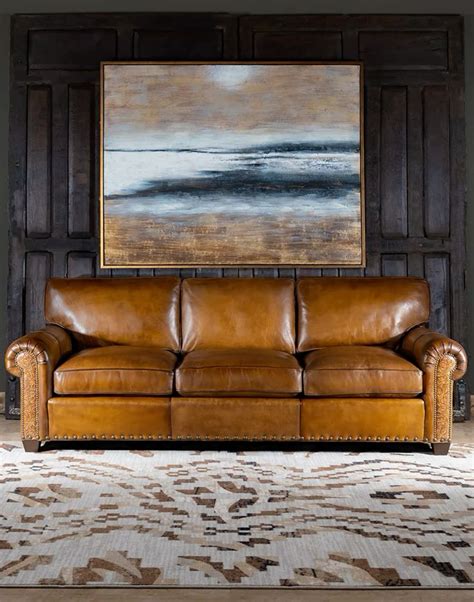
Navigating the terminology surrounding upholstery hides can feel overwhelming when browsing furniture catalogs. The market generally divides leather into three primary categories: full-grain, top-grain, and corrected or bonded leather. Full-grain leather remains the gold standard for luxury furniture, retaining the outer hide’s natural texture, markings, and exceptional breathability. Because it is un-sanded, full-grain material develops a rich, individualized patina over time, telling a visual story of your home’s daily life.
Top-grain leather, which is slightly sanded and buffed to remove minor imperfections, offers a more uniform appearance while maintaining high durability. This grade is frequently treated with protective coatings, making it a practical choice for busy households managing frequent foot traffic, children, or pets. Understanding these distinctions ensures you balance aesthetic preferences with realistic lifestyle requirements before committing to a major furniture purchase for your main gathering space.
Full-Grain vs. Top-Grain: Making the Right Investment
Choosing between full-grain and top-grain hides depends heavily on how your household uses the living room. Full-grain leather rewards owners who appreciate organic variations, subtle color shifts, and a softer, warmer hand-feel. However, it requires a willingness to accept minor surface scratches as part of its natural aging process, which enhances its overall vintage appeal.
Top-grain leather, conversely, suits households prioritizing a sleek, tailored profile with minimal maintenance. The protective finish applied during manufacturing helps repel minor liquid spills and reduces the visibility of everyday wear. When evaluating top-rated leather sofas available in the U.S., check product specifications carefully to determine whether the hide is aniline, semi-aniline, or pigment-finished, as this directly dictates how the sofa will feel and perform over a decade of daily lounging.
Styling a Leather Couch for an Effortlessly Chic Aesthetic
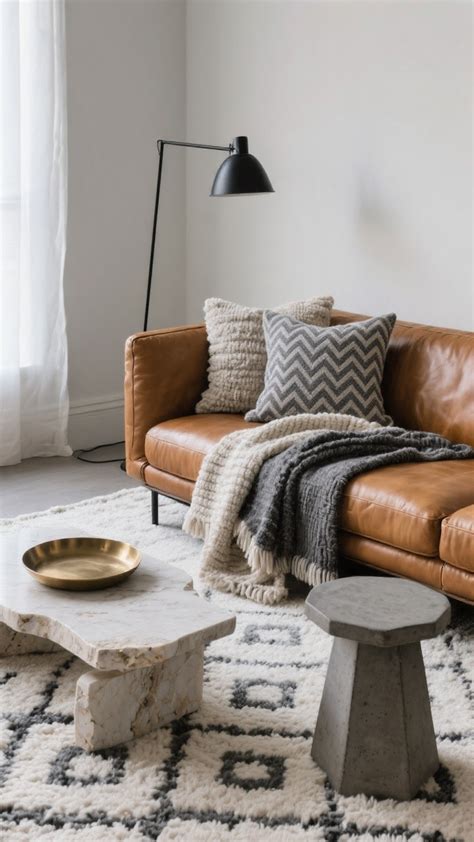
Integrating a leather sofa into an existing room scheme requires careful attention to texture and contrast to prevent the space from feeling heavy or overly monochromatic. If you select a deep cognac, chestnut, or dark chocolate leather, balance the weight of the dark hide by incorporating lighter architectural elements, such as light oak flooring, neutral linen drapery, or textured wool area rugs.
Layering textiles is the secret to making a leather sofa look collected rather than showroom-standard. Pair the sleek, smooth surface of the leather with chunky knit throw blankets, patterned linen lumbar pillows, and woven baskets nearby. This deliberate mixing of textures softens the clean lines of the sofa and introduces a relaxed, lived-in elegance that defines modern American interior design.
Spatial Layouts and Sizing for U.S. Floor Plans
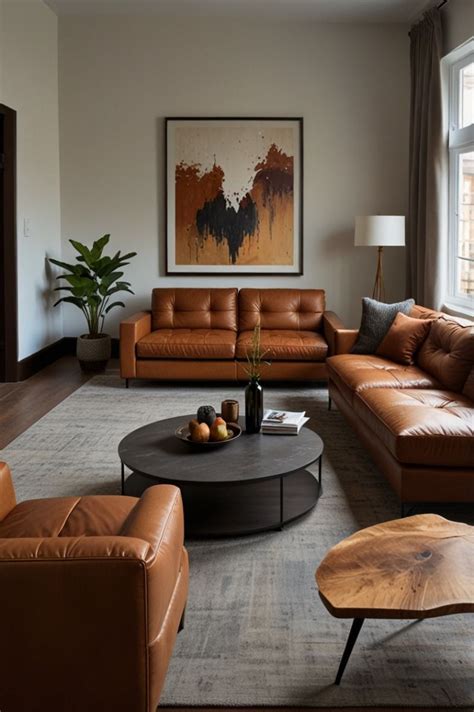
Before purchasing a statement leather couch, evaluate your living room’s dimensions and traffic flow to determine the most functional configuration. In open-concept suburban homes, a generous leather sectional can delineate the living zone from an adjoining kitchen or dining area without blocking sightlines. Ensure you leave at least thirty inches of clear walkway around the perimeter of the furniture to keep the room feeling breathable.
For urban apartments or formal sitting rooms, a classic three-seater sofa paired with a pair of upholstered armchairs often provides superior layout flexibility. Measure all entryways, hallways, and elevator clearances before ordering, as large leather sofas lack the flexibility of modular fabric frames and require careful delivery planning to navigate tight corners safely.
Long-Term Maintenance and Conditioning Practices
Proper upkeep ensures your leather sofa remains a centerpiece for years rather than showing premature signs of cracking or stiffness. Leather is a natural material that reacts to environmental conditions, meaning it thrives in humidity-controlled environments away from direct sunlight and heating vents, which can dry out natural oils over time.
Establish a simple maintenance routine by dusting the sofa weekly with a soft, dry microfiber cloth to prevent abrasive grit from settling into the creases. Every six to twelve months, apply a specialized leather conditioner formulated for the specific finish of your sofa. Conditioning replenishes lost moisture, maintains the suppleness of the hide, and preserves its natural matte or satin sheen against daily friction.
Frequently Asked Questions
Are leather sofas suitable for homes with cats and dogs?
Yes, many top-grain leather sofas perform exceptionally well in pet-friendly homes because they do not trap pet hair and odors the way woven fabrics do. While cats can scratch leather, semi-aniline and distressed leather finishes tend to camouflage minor claw marks effectively, developing a rugged, lived-in patina over time.
How do I prevent my leather sofa from cracking in dry climates?
Preventing leather from cracking requires shielding the furniture from direct sunlight and heat sources, which dry out the hide. Applying a high-quality leather conditioner semi-annually restores essential moisture and keeps the fibers flexible and resilient.
What color leather sofa is most timeless for interior design?
Warm neutral shades such as cognac, caramel, saddle brown, and charcoal gray remain the most timeless choices. These versatile earth tones coordinate effortlessly with shifting seasonal decor palettes and transition smoothly across traditional, mid-century modern, and transitional design schemes.
How can I remove a liquid spill from a leather couch safely?
Blot liquid spills immediately using a clean, dry, absorbent white cloth or paper towel—never rub the spill, as this pushes moisture deeper into the grain. For stubborn spots, use a mild solution of distilled water and a tiny drop of gentle saddle soap, then dry thoroughly with a soft cloth.


