Investing in a luxury leather sofa or accent chair instantly elevates a living room, bringing rich texture, warmth, and timeless sophistication to your home. However, navigating the world of high-end upholstery requires looking beyond initial showroom appearances to understand how different hides are processed, graded, and finished. For homeowners across the United States, the ideal leather furniture must strike a careful balance between refined interior design aesthetics and the day-to-day realities of active households, varying regional climates, and fluctuating indoor temperatures.
When evaluating luxury leather, the most successful purchases are grounded in a solid understanding of material grades, craftsmanship indicators, and proper daily maintenance. Whether you are outfitting a spacious suburban open-concept layout or a cozy urban apartment, selecting the right piece involves weighing the tactile appeal of natural hides against practical factors like durability, pet friendliness, and long-term patina development.
Understanding Leather Grades and Quality Indicators
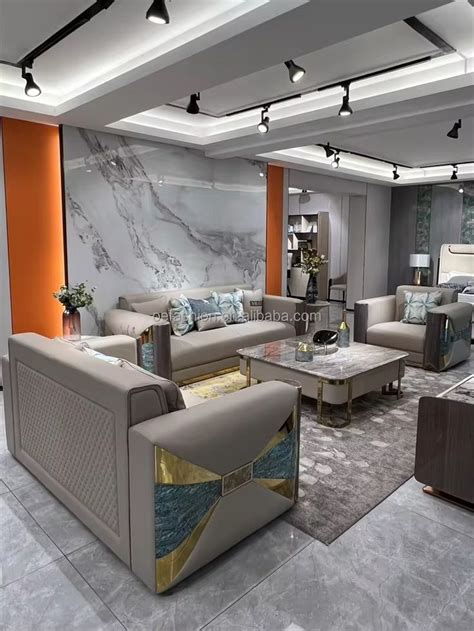
The foundation of any durable, high-end leather piece lies in its hide grade. Full-grain leather represents the highest tier of quality, utilizing the entire outer layer of the hide without sanding or buffing away natural imperfections. This grade retains the hide’s natural strength and breathable fiber structure, allowing it to develop a rich, character-rich patina over years of use in natural lighting conditions. Because it is uncorrected, full-grain leather showcases authentic characteristics such as subtle grain variations and range marks, serving as a hallmark of genuine, premium material.
Top-grain leather is another excellent option commonly found in upscale American living rooms, differing primarily in how the surface is treated. Manufacturers lightly sand and buff top-grain hides to remove minor surface flaws, then apply a protective finish and stamp an artificial grain pattern onto the surface. This process results in a more uniform appearance and enhanced resistance to stains, making it a popular choice for households seeking a polished look without the raw sensitivity of untreated full-grain hides. Avoid bonded leather or split leather alternatives when seeking true longevity, as these lower-tier materials lack the structural integrity required for heavy daily seating.
Matching Leather Types to American Regional Climates and Lifestyles
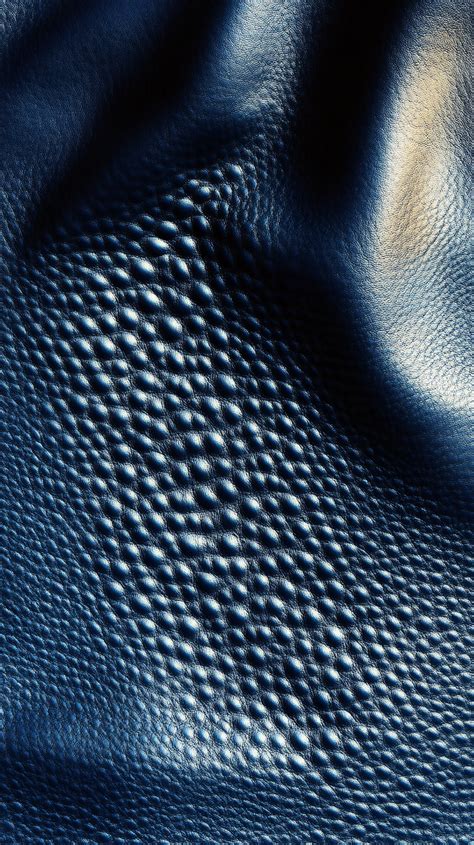
Regional climate plays a surprisingly significant role in how leather furniture performs and feels within your living space. In humid southern states or coastal regions, semi-aniline or protected top-grain leathers with breathable yet sealed finishes prevent moisture absorption and resist the sticky feeling sometimes associated with raw hides during warmer months. Conversely, in dry western climates or northern homes with heavy winter heating, leather can occasionally dry out if left unconditioned, making regular hydration with specialized leather creams an essential part of your seasonal home maintenance routine.
For busy households featuring young children or pets, selecting the correct finish is far more critical than choosing a darker color. Aniline leather, while prized for its buttery softness and completely natural look, absorbs liquids readily and scratches easily under paws. For family-friendly durability, semi-aniline or pigmented leathers provide a protective barrier against accidental spills and daily wear while still offering a luxurious hand-feel. Understanding these everyday trade-offs ensures your investment withstands real-world living without sacrificing visual appeal.
Color Palettes and Finishes for Modern and Traditional Interiors
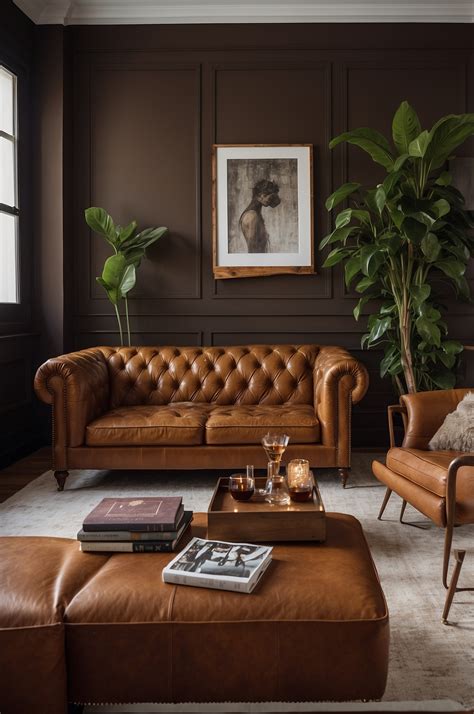
The color and finish of your leather furniture anchor the broader color palette of your living room, dictating whether the space feels airy and modern or rich and traditional. Classic cognac, rich saddle brown, and deep oxblood leather tones introduce warmth and heritage character into traditional or transitional American homes, pairing beautifully with natural wood accents, woven textiles, and layered rugs. Over time, these warmer brown hues absorb natural oils and sunlight, deepening in color and developing a coveted vintage patina that adds profound visual depth to the room.
For contemporary or minimalist spaces, sleek charcoal, crisp ivory, or midnight black leather introduces striking architectural contrast and clean visual lines. Matte finishes are currently favored in modern interior design because they minimize artificial glare under recessed lighting or large living room windows, maintaining an understated elegance. When styling a colored or neutral leather piece, balance its visual weight by incorporating softer decorative elements such as textured throw blankets, linen pillows, and organic ceramics to keep the seating area inviting and comfortable.
Frequently Asked Questions
What is the difference between full-grain and top-grain leather?
Full-grain leather uses the entire outer layer of the hide with no surface sanding, preserving natural markings and developing a rich patina over time. Top-grain leather has its surface lightly sanded to remove imperfections and is finished with a protective coating, offering greater stain resistance and a more uniform look.
Which leather type holds up best against kids and pets?
Protected top-grain or semi-aniline leather holds up best in active households. These finishes feature a protective top layer that repels liquid spills and resists minor scratches from pet claws better than porous, unfinished aniline hides.
How does climate affect leather furniture in the US?
Humid climates benefit from sealed, breathable top-grain leathers that resist moisture, while dry or heavily heated winter environments require periodic conditioning with leather creams to prevent the hide from drying out and cracking.
How can you tell if a leather sofa is high quality?
High-quality leather furniture features heavy, supple hides, sturdy joinery, high-resilience foam cushioning supported by eight-way hand-tied springs or sinuous coils, and clear manufacturer labeling specifying top-grain or full-grain construction.


