Planning a family camping trip anywhere from the Pacific Northwest forests to the coastal state parks of the East Coast requires a shelter that balances personal privacy with communal living space. Traditional single-room domes often leave parents and children tripping over gear, air mattresses, and boots. Selecting a reliable multi-room shelter changes the entire dynamic of an outdoor excursion by creating distinct zones for sleeping, changing, and relaxing.
When evaluating options for your next vacation, understanding how layout configurations, interior height, and structural framework impact your overall experience is essential. Large cabin-style tents with divider curtains or zippered walls provide the layout flexibility needed to keep large groups organized, turning a chaotic weekend in the wilderness into a comfortable, structured home away from home.
Key Structural Features of Multi-Room Family Tents
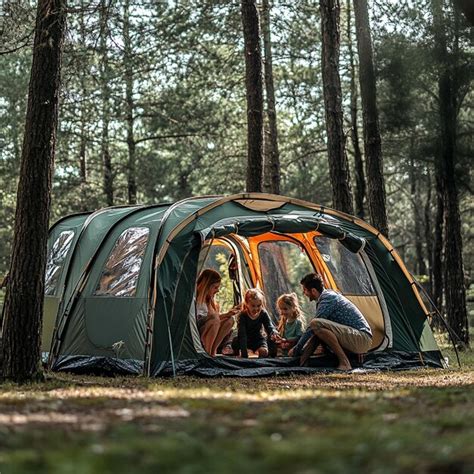
The primary advantage of a three-room tent lies in its versatile interior architecture. Most designs utilize flexible divider curtains or sewn-in partitions that allow campers to split the main floor plan into separate bedrooms flanking a central living area. This layout is particularly useful for families traveling with teenagers or younger kids who benefit from defined sleeping zones and a bit of visual privacy before bedtime.
Vertical walls are another defining characteristic of these large shelters. Unlike traditional dome tents that slope sharply inward and restrict headroom near the edges, multi-room cabin tents usually feature nearly vertical walls and high center peaks. This architectural choice makes it possible to stand upright while changing clothes, set up full-height cots, and move around the interior without feeling cramped or constantly ducking your head.
Evaluating Weather Resistance Across Diverse US Climates
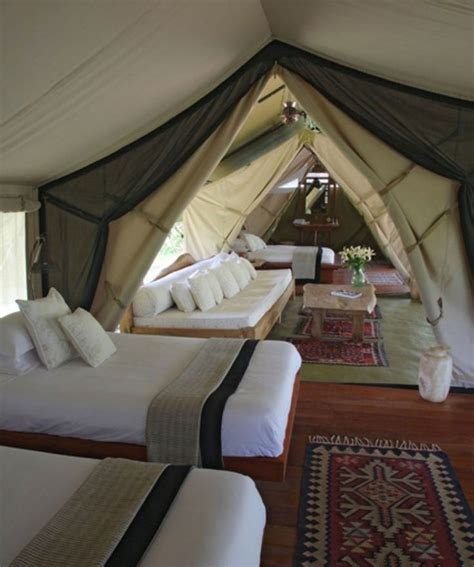
Campers exploring different regions of the United States face wildly varying weather patterns, ranging from sudden afternoon downpours in the Southeast to gusty winds across the Midwestern plains. A quality multi-room tent must feature robust frame construction, typically combining steel upright poles with flexible fiberglass or aluminum roof poles to maintain stability against heavy winds without snapping under pressure.
Waterproofing is another critical consideration when selecting a shelter for unpredictable climates. Look for models with factory-sealed seams, welded polyethylene floor mats that keep ground moisture from seeping upward, and full-coverage rainflies that extend past the windows and doors. Adequate ventilation is equally important; mesh ceiling panels and ground-level intake vents prevent condensation buildup during chilly mornings while keeping interior air fresh and comfortable.
Practical Setup and Maintenance Considerations
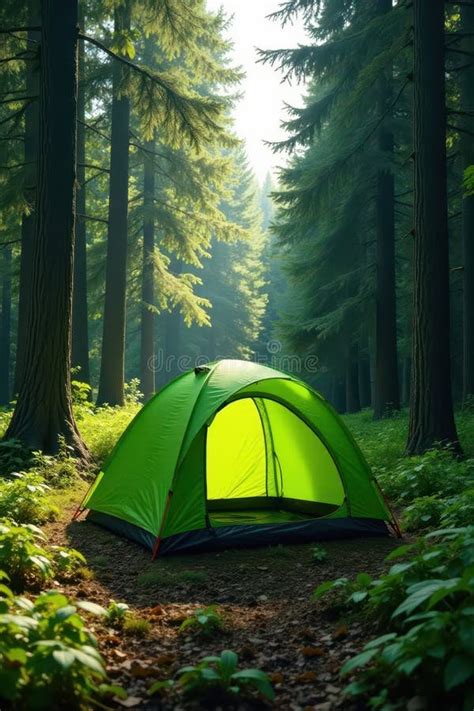
Erecting a large multi-room tent can seem daunting at first glance, especially for campers accustomed to simple two-person backpacking shelters. However, most modern cabin tents utilize color-coded pole systems and continuous pole sleeves designed to streamline the pitching process. While it is certainly possible for one experienced camper to assemble these large structures, having at least two adults makes the process significantly faster and safer for the fabric.
Proper maintenance ensures your investment survives season after season of family adventures. Always allow the tent fabric to dry completely before packing it into its storage bag to prevent mold and mildew growth during off-season storage. Inspecting guy lines, stakes, and zipper tracks prior to each trip will save you from unexpected frustrations once you arrive at your campsite and begin setting up your outdoor retreat.
Frequently Asked Questions
What size family fits best in a 3-room tent?
Three-room tents are typically designed to comfortably accommodate anywhere from six to ten campers. However, comfort depends heavily on whether you are using sleeping bags on the floor or bulky raised cots and air mattresses. For maximum comfort, subtract two people from the manufacturer’s maximum capacity rating to ensure adequate floor space for luggage and gear.
Are three-room tents difficult for beginners to set up?
While they require more time and effort than a basic dome tent due to their size and heavier framing poles, most modern models feature straightforward color-coded instructions. Practicing a test setup in your backyard before embarking on your trip is the best way to familiarize yourself with the pole configurations and hardware.
How do multi-room tents handle heavy rain and strong winds?
High-end multi-room tents handle harsh weather effectively when properly staked and guyed out. Choosing a model with a full-coverage rainfly, sturdy steel structural poles, and welded floor seams ensures that water stays outside and the frame remains stable during gusty storms.


