Finding the right sofa for your living room is one of the most impactful purchasing decisions you will make for your home. In many American households, the sofa serves as the central hub for relaxation, movie nights, casual socializing, and sometimes even working from home. Because living rooms vary widely—from compact urban apartments in Chicago to sprawling suburban ranch homes in Texas—your seating must balance physical proportions, daily wear and tear, and your personal interior design vision.
When browsing furniture stores or online catalogs, homeowners typically narrow their choices down to three primary aesthetic and structural categories: solid wood frames, fully upholstered designs, and streamlined modern silhouettes. Each category brings distinct trade-offs regarding tactile comfort, spatial footprint, and long-term durability. Understanding how these features align with your daily routine ensures you invest in a piece that looks beautiful and performs reliably for years.
The Enduring Appeal and Strength of Solid Wood Sofas

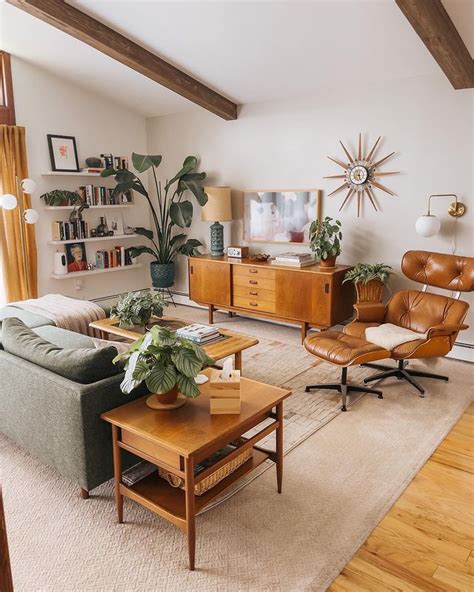
Solid wood sofas feature exposed structural frameworks crafted from timber such as oak, walnut, maple, or ash. Unlike fully covered frames hidden beneath layers of foam and fabric, these pieces showcase the natural grain, warmth, and joinery of the wood. This construction style often leans toward mid-century modern, Scandinavian, or artisanal rustic aesthetics, where the frame itself acts as a prominent design feature.
One of the primary advantages of a solid wood sofa is its exceptional structural longevity. High-quality hardwoods resist warping and can withstand decades of weight shifting without sagging at the joints. Furthermore, exposed wood frames make routine cleaning straightforward. Dust and pet hair cannot become trapped inside hidden crevices, and minor scratches on the armrests or legs can often be sanded down and refinished, preserving the furniture’s original luster.
However, solid wood frames require careful consideration regarding physical comfort. Because the structural support is rigid, these sofas typically rely on removable cushions for softness. If the cushions are too thin or lack high-resiliency foam cores, the seating experience can feel stiff compared to deeply padded alternatives. Additionally, solid wood furniture tends to have a heavier visual footprint, meaning it can make smaller living rooms feel crowded if the surrounding layout lacks breathing room.
Embracing Comfort with Fully Upholstered Sofas
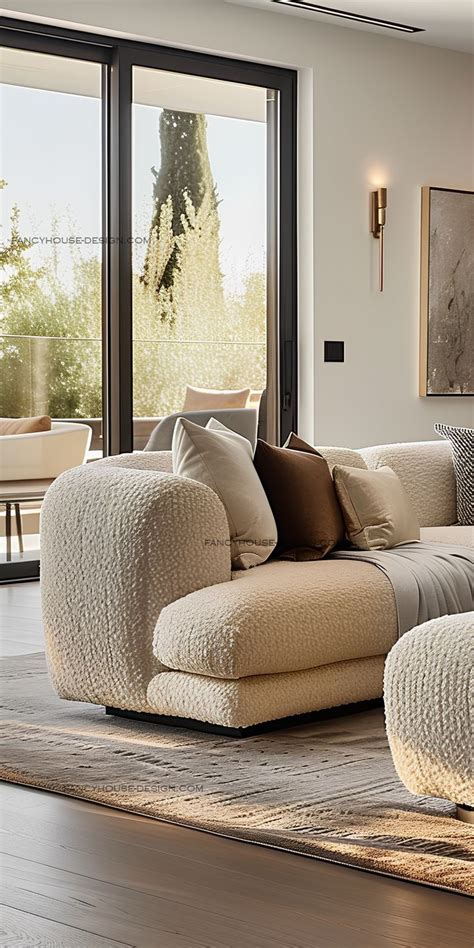
Upholstered sofas represent the gold standard of plush, sink-in comfort for most American households. Characterized by soft padding that covers both the frame and the seating surfaces, these sofas are available in an expansive array of fabrics, including performance wovens, rich velvets, textured chenilles, and supple leathers. This category accommodates everything from deep sectional configurations designed for large family rooms to classic apartment-sized loveseats.
The greatest strength of an upholstered sofa lies in its versatility and ergonomic adaptability. Manufacturers can layer various densities of foam, pocket springs, and down-blend fillings to create a customized lounging experience. For households with children or pets, choosing the right textile makes all the difference. Performance fabrics treated to repel moisture and resist stains allow everyday spills to be wiped away easily, protecting the inner padding from lasting damage.
On the downside, upholstered sofas require more active maintenance than exposed wood alternatives. Fabrics attract dust, absorb household odors, and can show wear in high-friction areas over time. Pet claws can snag woven textiles, while lighter colorways may demand professional cleaning or frequent vacuuming to maintain a fresh appearance. Evaluating your household habits before selecting a delicate fabric ensures your upholstered investment remains pristine.
Clean Lines and Functional Elegance: Defining Modern Sofas
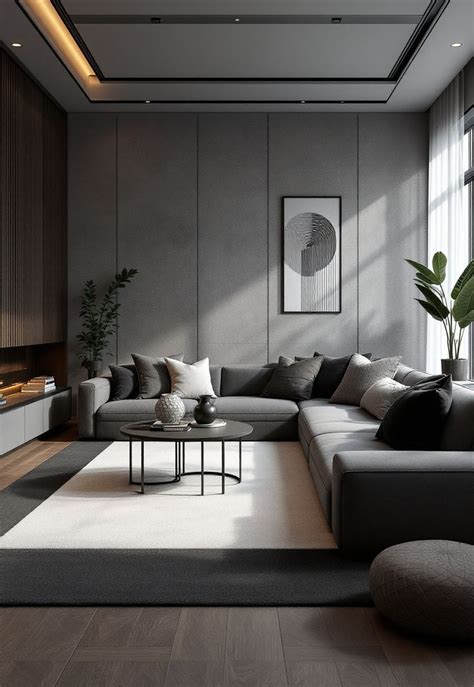
Modern sofas encompass a broad design movement characterized by sleek silhouettes, low profiles, minimalist legs, and tailored upholstery. Rather than bulky cushions or ornate carved wood, modern designs prioritize geometric harmony, spatial openness, and clean visual lines. They frequently incorporate brushed metal, slender wooden legs, or neutral-toned textiles that anchor contemporary open-concept floor plans.
For homeowners decorating modern suburban homes or compact urban spaces, these sofas offer a distinct spatial advantage. Their elevated bases and streamlined profiles allow light to pass underneath and around the furniture, making rooms feel larger and less congested. This aesthetic versatility allows a modern sofa to transition seamlessly through various decor trends, whether you prefer minimalist industrial touches or warm bohemian accents.
Achieving this refined aesthetic sometimes involves structural trade-offs. Deep, ultra-plush lounging may be sacrificed in favor of firmer, more supportive seat cushions that maintain their geometric shape over time. If your household prioritizes casual weekend lounging over formal hosting, you may need to supplement a modern sofa with accent pillows and throw blankets to achieve your desired level of physical coziness.
Matching Sofa Types to Your Household Lifestyle
Selecting the right sofa ultimately depends on how your household uses the living room on a daily basis. Active families with young children and energetic dogs benefit most from durable upholstered sofas featuring performance fabrics or genuine leather, which withstand high traffic and heavy play without sacrificing comfort. Choosing darker or patterned textiles helps mask minor everyday scuffs until routine cleaning day arrives.
Conversely, adult-only households or design enthusiasts who value architectural detail and easy upkeep often find that solid wood or sleek modern sofas provide the ideal solution. These styles celebrate craftsmanship and maintain their structured appearance with minimal effort. By realistically assessing your daily routine, traffic patterns, and cleaning preferences, you can narrow down the choices and select a sofa that enhances both your lifestyle and your living room decor.
Frequently Asked Questions
Are solid wood sofas more durable than upholstered sofas?
Solid wood frames generally outlast upholstered frames because hardwood is less susceptible to internal warping and structural fatigue. However, the overall longevity also depends on cushion quality and fabric wear.
What is the best sofa fabric for households with pets?
Performance fabrics, tightly woven microfibers, and heavy-duty leather are top choices. They resist punctures from claws, prevent pet hair from embedding deeply, and clean easily with mild soap and water.
How can I make a firm modern sofa feel cozier?
You can soften the clean lines of a modern sofa by layering textured throw blankets, adding a mix of down-fill accent pillows, and pairing the seating with a plush area rug and warm ambient lighting.
Which sofa style is best for small U.S. apartments?
Modern sofas and solid wood designs featuring elevated legs and slim profiles are ideal for smaller spaces. They allow light to flow underneath, creating an open, airy visual effect.


