Designing a comfortable and functional living room requires a thoughtful balance between aesthetic appeal and daily usability. Whether you are settling into a compact urban apartment or furnishing a sprawling suburban family room, selecting the right furniture pieces establishes the tone for your entire household. Understanding how to scale items correctly, evaluate materials, and coordinate finishes ensures your investment looks intentional and withstands everyday life.
Assessing Your Living Room Space and Layout

Before browsing any furniture catalogs or visiting online home goods showrooms, measure your room dimensions carefully and map out traffic pathways. A common pitfall in American living spaces is purchasing oversized sectionals or bulky media units that overwhelm the square footage, making the room feel cramped and restricting natural movement. Walkways should ideally maintain a clearance of at least thirty inches to keep the layout feeling open and accessible.
Consider how natural light enters the space and where architectural features like fireplaces, television hookups, or large windows are positioned. In open-concept floor plans, furniture placement acts as an invisible boundary, defining the living zone separately from the dining or kitchen areas. Using painter’s tape on the floor to outline the exact footprint of prospective sofas, coffee tables, and accent chairs provides an immediate visual check before committing to a purchase.
Choosing Versatile Seating Options
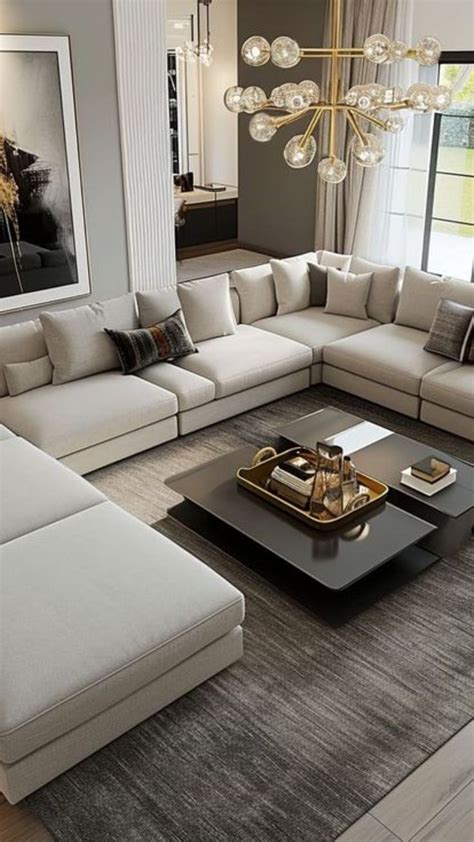
The sofa typically anchors the living room, making it the most critical furniture investment you will make. For standard suburban homes, a deep-seated sofa or modular sectional accommodates families and guests comfortably, while urban apartments often benefit from streamlined apartment-size sofas or loveseats paired with versatile armchairs. Look for kiln-dried hardwood frames and high-resiliency foam cushions that maintain their shape and support over years of regular use.
Incorporating flexible secondary seating, such as lightweight upholstered ottomans or nesting stools, adds functionality without cluttering the room. These pieces can easily shift from footrests to extra seats when entertaining guests. When evaluating upholstery, balance personal style with practical demands; performance fabrics or tightly woven textured neutrals resist staining and daily wear much better than delicate linens or high-pile velvets in active households.
Balancing Storage and Surface Area
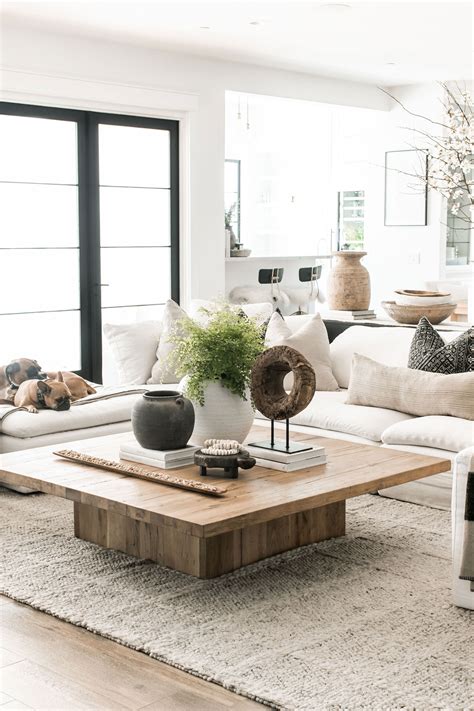
A well-designed living room requires smart surface space to manage everyday items like remotes, books, beverages, and decorative accents. Coffee tables and media consoles do more than just fill an empty center; they provide essential concealed or open storage that keeps the environment organized. Lift-top coffee tables, for example, offer a convenient workspace or hidden storage cavity for laptops and blankets, making them ideal for multi-functional rooms.
Media consoles should coordinate with the wood tones or metal finishes of your other primary furniture pieces while effectively concealing cords and electronics. Selecting furniture with varied textures—such as a rustic wooden console paired with a sleek glass or metal-framed coffee table—adds visual depth and prevents the room from looking overly uniform or sterile. Thoughtful placement of side tables next to armchairs also ensures that every seat has a convenient spot to rest a drink.
Frequently Asked Questions
How do I choose the right size sofa for my living room?
To choose the right size sofa, measure your total wall space and ensure you leave at least three feet of clearance around major walkways. Consider the depth of the cushions and the height of the backrest to ensure it does not block windows or obstruct room flow.
What living room furniture works best for small spaces in U.S. apartments?
Small apartments benefit from streamlined furniture with exposed legs, which creates an airy illusion of space. Multifunctional items like storage ottomans, nesting coffee tables, and apartment-sized sofas maximize utility without overwhelming limited square footage.
How can I coordinate different furniture styles cohesively?
Coordinating mixed styles relies on maintaining a cohesive color palette and balancing finishes. If you have a modern metallic coffee table, anchor it with a traditional textured rug or pair it with classic upholstered armchairs to tie the eclectic elements together.
What are key factors for durability in high-traffic family living rooms?
Key durability factors include kiln-dried hardwood frames, robust joinery like corner blocks, and high-performance, stain-resistant upholstery fabrics. These materials withstand daily use from children and pets while retaining structural integrity and appearance.


