Tackling a long living room with narrow dimensions can feel like an intimidating puzzle. When a room stretches out like a bowling alley, standard furniture arrangements often fail, leaving the center awkwardly empty while the perimeters feel overcrowded. Fortunately, you do not need to knock down walls or undertake expensive architectural renovations to make the space feel balanced, cozy, and intentional. By carefully managing scale, establishing clear zones, and using strategic visual tricks, you can completely transform how your room functions and feels.
The secret lies in working with the room’s geometry rather than fighting against it. Instead of forcing oversized sectionals or linear layouts that emphasize the length, thoughtful adjustments to furniture placement, lighting, and pathways create a natural rhythm. Here are thirteen practical strategies designed to help you make the most of every square foot in a long, narrow living room.
1. Break the Room Into Distinct Zones

One of the most effective ways to manage a long space is to divide it into multiple functional zones rather than treating it as a single monolithic area. For instance, you might create a primary conversation cluster around a fireplace or television, and allocate the remaining square footage at one end to a reading nook, a compact home office desk, or a small game table.
Dividing the floor plan prevents the eye from sweeping endlessly down the entire length of the room. When visitors step inside, they immediately notice separate, purposeful areas rather than an awkward hallway-like expanse. Rugs serve as your best tools here, anchoring each distinct mini-room and providing visual boundaries without physical walls.
2. Pull Furniture Away from the Walls
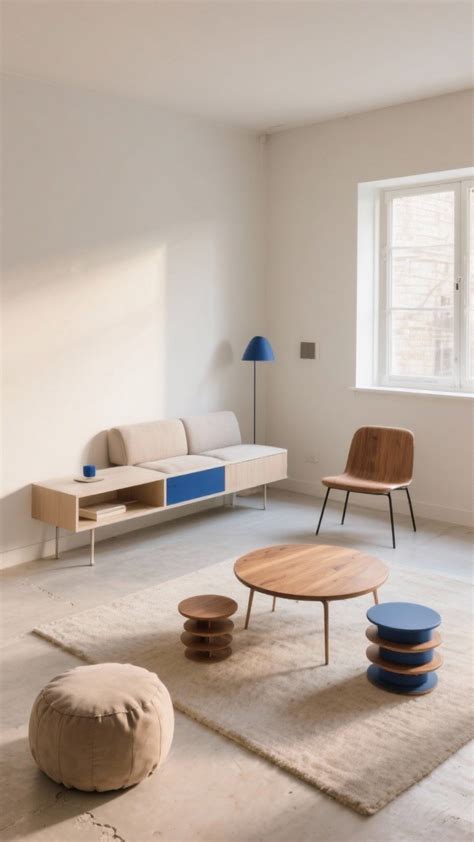
A common reflex in narrow spaces is to push every single piece of furniture flush against the perimeter walls to maximize open floor space in the middle. Ironically, this layout strategy often accentuates the tunnel-like feel of a long room, creating a wide-open runway down the center that feels cold and disconnected.
Instead, float your main seating group away from the walls to establish an intimate conversational distance. Leaving a narrow pathway behind the sofa allows people to walk around the seating area rather than cutting directly through the middle of it, making the overall seating experience much cozier and more integrated.
3. Choose Low-Profile and Streamlined Furniture
Scale is everything in a narrow living room. Bulky, oversized furniture with heavy arms and thick cushions will instantly overwhelm tight architectural dimensions, making the room feel congested and difficult to navigate. Opt for streamlined sofas and armchairs featuring exposed legs, which allow light to pass underneath and create an illusion of greater spaciousness.
Low-profile furniture is another brilliant asset for long rooms because it keeps your sightlines open across the entire floor plan. When the tops of your chairs and sofas sit lower, your eye travels farther without obstruction, making the ceiling feel higher and the lateral width feel slightly more generous.
4. Position Seating to Face Each Other
Conversation flows best when people look at one another rather than staring straight ahead in a line. In a narrow room, avoid arranging a long sofa directly opposite a single flat wall with a television if it forces everyone to sit shoulder-to-shoulder facing the same direction.
Instead, try arranging a modest sofa perpendicular to the longest wall, paired with two comfortable accent chairs facing each other across a coffee table. This classic layout breaks up the linear progression of the room and establishes a welcoming, cohesive circle of interaction that feels natural and relaxed.
5. Anchor Zones with Multiple Area Rugs
Rugs are exceptional spatial dividers that require zero installation and work wonderfully for both homeowners and renters. In a long, narrow living room, using a single massive rug can sometimes exaggerate the length of the floor. Using two distinct, appropriately sized area rugs is often a much sharper design choice.
Place one rug under your primary conversation grouping and another under your secondary zone, such as a reading corner. Ensure the rugs complement each other in texture or color family while remaining visually distinct enough to signal a clear transition from one function to the next.
6. Introduce Curved and Round Elements
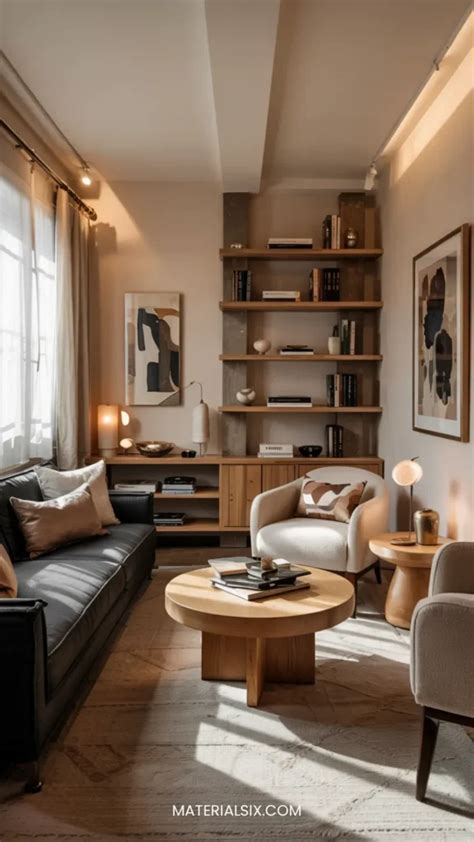
Long, narrow rooms are naturally dominated by straight lines, sharp corners, and rectangular proportions. To counteract this visual rigidity, deliberately introduce rounded furniture and accessories to soften the overall environment and slow down the eye’s movement.
Consider swapping a rectangular coffee table for an oval, round, or kidney-shaped design. Round ottomans, arched mirrors, circular side tables, and curved accent chairs all help break up the monotony of straight parallel walls, injecting fluidity and organic warmth into the space.
7. Layer Lighting at Different Heights
Lighting plays a monumental role in altering how we perceive room proportions. Relying solely on a single overhead central light fixture will cast harsh shadows and flatten the room, emphasizing its long, narrow tunnel effect.
Instead, embrace ambient, task, and accent lighting at varying heights throughout the room. Place floor lamps in dark corners, mount chic wall sconces to draw the eye outward toward the perimeter, and use table lamps on sideboards. This layered approach illuminates the corners, making the room feel wider and infinitely more welcoming.
8. Use Vertical Space to Draw the Eye Up
When floor space is narrow, look upward. Drawing attention to the vertical dimension of the room balances out the horizontal length, creating a more harmonious proportions game. Tall bookshelves, floor-to-ceiling drapery panels, and gallery walls that stretch high up the wall all achieve this effect.
Hanging your curtain rods close to the ceiling line rather than right above the window frame is a classic designer trick that instantly adds height and grandeur. Pair these tall draperies with vertical striped wallpaper or tall indoor plants to further enhance the uplifting vertical flow.
9. Embrace Strategic Mirror Placement
Mirrors are time-tested spatial magicians that bounce light around a room and double the perceived visual width. In a narrow living room, hanging a large mirror on one of the long walls acts as a powerful optical illusion, tricking the eye into believing the room extends much farther outward.
Position your mirror directly across from a window or a well-lit focal point to maximize light reflection. Avoid placing large mirrors on the short end walls, as this can inadvertently make the long tunnel effect feel even more pronounced by reflecting the opposite end.
10. Keep Traffic Flow Unobstructed
No matter how stylish your furniture layout looks on paper, it will fail in daily life if family members are constantly bumping into corners or tripping over ottomans. Maintaining a clear, intuitive walking path from entry points to seating zones is vital in a narrow room.
Aim to keep at least one continuous, unobstructed pathway running along one side of the room rather than forcing traffic to zigzag through the center of your conversation areas. Clear pathways make the room feel organized, safe, and surprisingly spacious.
11. Opt for Multifunctional and Modular Furniture
Flexibility is paramount when dealing with challenging room proportions. Modular sofas, nesting coffee tables, and storage ottomans give you the freedom to reconfigure your layout as your needs change over time, without buying entirely new pieces.
A modular sectional with movable chaise units, for instance, lets you shift the configuration from one end of the room to the other depending on seasonal hosting needs. Nesting tables can be tucked away neatly when you need extra floor space and pulled out when guests arrive.
12. Limit Visual Clutter on Long Walls
When both long walls are packed from end to end with heavy shelving, artwork, and electronics, the room can quickly feel claustrophobic and overwhelmingly busy. Give your walls breathing room by curating your decor selections with intentional restraint.
Keep decorative accents focused primarily on one feature wall, leaving the opposing wall cleaner and calmer. This asymmetric approach prevents sensory overload and creates a subtle breathing space that makes the entire room feel wider and more breathable.
13. Anchor the Far End of the Room
The far back wall of a long living room often becomes a neglected dead space that drains the energy of the entire area. To solve this, give the eye a compelling reason to travel all the way down the room by creating a definitive focal point at the far end.
You can anchor this space with a statement piece of art, a cozy reading chair beneath a floor lamp, a stylish bookshelf, or an accent wall with rich paint color or wallpaper. This draws people into the room and ensures the entire length feels utilized and intentional.
Frequently Asked Questions
How do you arrange furniture in a long, narrow living room?
Divide the room into two or three distinct zones, such as a main conversation area and a reading nook. Float your furniture away from the walls and position seating to face each other rather than lining everything up against the perimeter.
What kind of sofa is best for a narrow living room?
Choose low-profile sofas with exposed legs that allow light to pass underneath. Avoid overly bulky sectionals that block sightlines and overwhelm the limited width of the room.
Where should the TV go in a long living room?
Place the TV on one of the long walls rather than the short ends, or mount it within a designated entertainment zone that does not force the entire furniture layout into a single rigid linear arrangement.
How can I make my narrow living room look wider?
Use large mirrors on long walls to reflect light and create optical width, incorporate round or curved furniture to soften straight lines, and layer ambient lighting in the corners.


