When you set out to shop top-quality living room furniture in the U.S., the journey often involves balancing a multitude of competing factors, from fluctuating retail price points to regional architectural layouts. Whether you are moving into a newly constructed suburban property with an expansive open-concept layout or furnishing a historic brownstone apartment in a major metropolitan center, finding pieces that successfully marry visual elegance with long-term resilience requires a well-defined plan. Rather than making impulsive choices based entirely on heavily stylized digital catalog imagery, a successful interior transformation begins by understanding your physical spatial constraints, recognizing durable manufacturing materials, and establishing a realistic financial framework.
Creating a welcoming and functional gathering space demands careful attention to both the visible aesthetic and the hidden structural components. It requires looking past superficial styling to examine how internal frame joints are reinforced, what type of core support prevents cushions from sagging, and whether surface finishes will endure daily household traffic. By methodically breaking down the furniture selection process into clear, actionable evaluation criteria, you can secure items that elevate your home’s aesthetic while preserving your peace of mind and long-term budget.
Decoding Quality: What to Look for in Budget-Friendly Upholstery and Frames
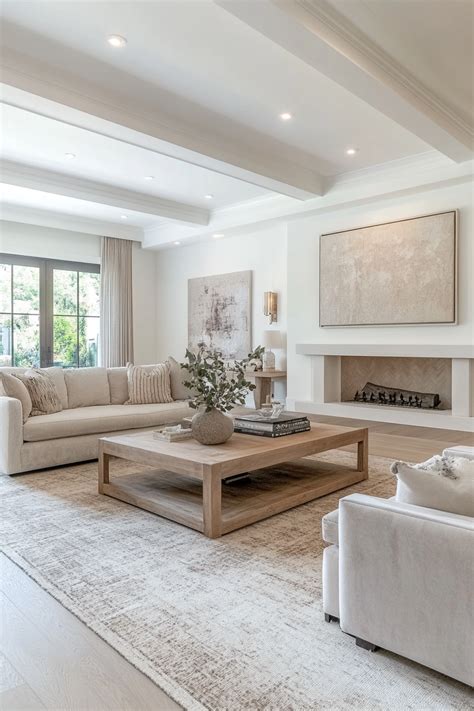
Finding affordable living room furniture in the U.S. that does not compromise on structural integrity requires a keen eye for how pieces are assembled. The foundation of any durable sofa or accent chair lies in its internal framework. High-value seating typically features kiln-dried hardwood, which has had its moisture content systematically removed to prevent warping, twisting, or splitting over time. Alternatively, high-grade engineered wood reinforced with sturdy corner blocks can provide dependable stability. You should carefully avoid seating constructed entirely from low-density particleboard or unreinforced softwoods, as these materials tend to loosen and fail under normal daily use by active households or pets.
Beyond the frame, the choice of upholstery fabric and cushion filling dictates how well your investment will withstand the realities of everyday life. Performance fabrics—such as tightly woven polyester blends, solution-dyed acrylics, and heavy-duty cotton canvases—offer exceptional resistance to stains, fading, and surface abrasion while maintaining a comfortable hand-feel. When shopping on a strict budget, prioritizing removable and washable cushion covers can dramatically extend the usable lifespan of your furniture by making unexpected spills manageable. Furthermore, always inspect the foam core inside the cushions; high-resiliency polyurethane foam provides superior ergonomic support and recovers its shape much faster than cheap, low-density poly-fill alternatives.
Spatial Planning: Matching Furniture Scale to Your U.S. Home or Apartment

One of the most frequent mistakes homeowners make when purchasing new pieces is misjudging the scale of the furniture relative to the actual dimensions of the room. In compact urban apartments, large-scale modular sectionals can easily overwhelm the floor plan, leaving insufficient clearance for comfortable movement or secondary accent seating. Conversely, placing undersized apartment-scale furnishings inside a sprawling suburban great room can make the environment feel disjointed, cold, and visually sparse. Taking precise measurements of your rooms, including critical architectural choke points like doorways, stairwells, ceiling heights, and hallway turns, ensures your chosen items will be delivered and positioned without unexpected logistical hurdles.
Effective layout planning relies on establishing a clear visual focal point, such as a fireplace, a media center, or a prominent window view, and arranging your seating group to encourage natural conversation and comfortable traffic circulation. In smaller living rooms, incorporating multi-functional elements—such as storage ottomans, nesting coffee tables, or modular configurations—provides flexibility depending on whether you are hosting weekend guests or enjoying a quiet evening at home. Interior designers generally recommend maintaining at least thirty to thirty-six inches of clear walkway around major furniture pieces, which keeps the room feeling breathable, open, and structurally balanced.
Where to Shop: Navigating Online Retailers and Brick-and-Mortar Stores
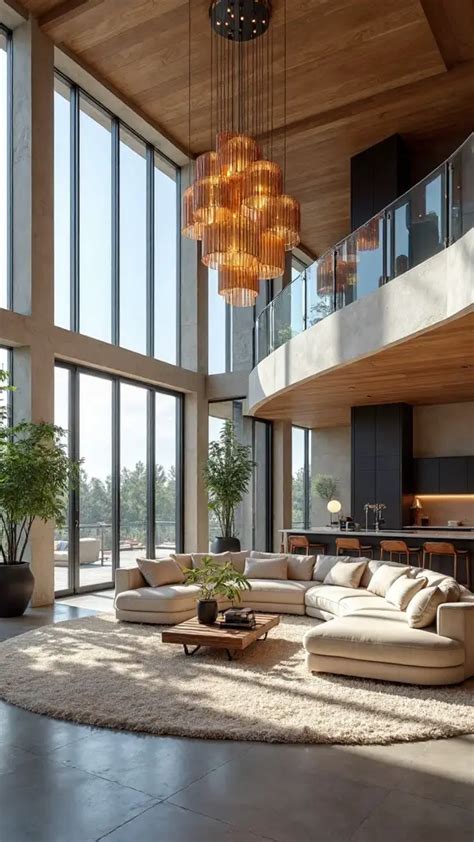
The contemporary U.S. retail market offers a diverse mix of digital-native direct-to-consumer brands, nationwide home furnishing chains, and independent local showrooms. Online shopping provides unmatched convenience, offering extensive customer reviews, transparent dimension charts, and direct-to-doorstep shipping, which is particularly advantageous for buyers who lack access to a large transport vehicle. However, browsing digital storefronts requires careful attention to fine print regarding return windows, restocking fees, and self-assembly requirements. Many forward-thinking retailers now supply digital room planners and complimentary fabric swatch kits, allowing you to test colors and textures against your existing wall paint and natural lighting before committing to a purchase.
Conversely, visiting physical brick-and-mortar showrooms allows you to personally evaluate seat depth, cushion firmness, and tactile finish qualities. When browsing physical retail locations or clearance outlets, always inspect floor models for stability, check drawer slides on media consoles, and inquire about manufacturer warranties that cover structural defects. Combining the convenience of digital research with the tactile certainty of in-person testing helps you catch potential issues early, ensuring your newly furnished living room delivers both enduring comfort and lasting value.
Frequently Asked Questions
What are the most durable frame materials for an affordable sofa?

Look for frames constructed from kiln-dried hardwood or high-grade engineered wood reinforced with corner blocks. These materials resist warping and provide sturdy structural support over years of regular use.
How can I protect budget upholstery from daily wear and tear?
Opt for performance fabrics or tightly woven synthetic blends that resist staining. Using washable slipcovers, treating fabric with a protective spray, and vacuuming upholstery regularly will also help maintain its appearance.
What is the rule of thumb for walking space around living room furniture?
Aim to leave at least 30 to 36 inches of clearance around major pathways and between large furniture pieces to ensure the room feels open, functional, and easy to navigate.
Are online furniture purchases in the U.S. easy to return if they don’t fit?
Return policies vary significantly by retailer. Always review the store’s specific return window, potential restocking fees, and whether original packaging is required before placing an order.


