Transforming blank walls and awkward nooks into functional storage does not require an expensive contractor or advanced woodworking skills. Achieving a seamless, custom look across your living spaces is entirely possible with accessible materials like dimensional lumber, standard plywood, and clever anchoring techniques. Whether you want to anchor permanent floor-to-ceiling bookshelves in a suburban living room or create a temporary display for an urban apartment, focusing on proper proportions and careful finishing makes all the difference.
When planning your layout, remember that the secret to a believable custom installation lies in eliminating visual gaps between the furniture and the surrounding walls. Using matching trim paint, caulking outer seams, and securing heavy units directly to wall studs ensures both aesthetic charm and long-term safety. By breaking down the process into manageable styling concepts, you can easily select a design that matches your lifestyle, lease agreement, and skill level.
Renter-Friendly Faux Built-Ins and Temporary Hacks
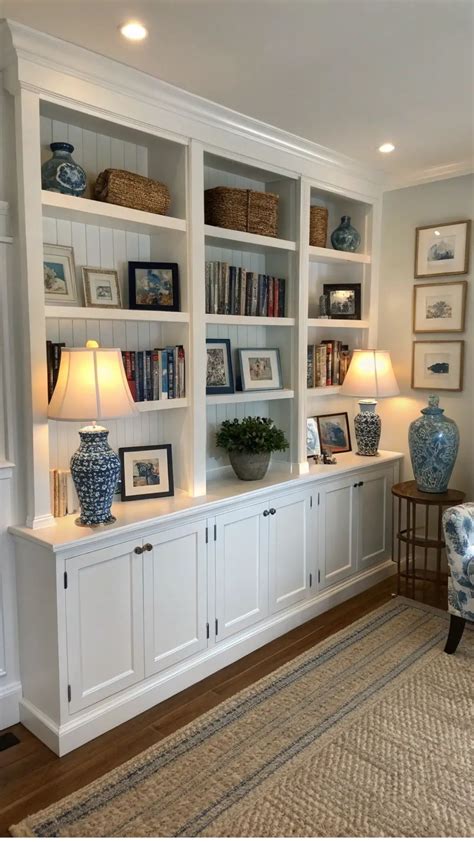
Apartment dwellers and renters often assume that custom built-ins are entirely off-limits due to lease restrictions regarding permanent wall modifications. However, you can achieve the sophisticated look of built-in shelving without causing lasting damage to drywall or baseboards. The primary trick involves anchoring modular, freestanding bookcases securely to the wall using minimal hardware, then building out a seamless facade that appears built directly into the room’s architecture.
To protect your security deposit, look for heavy-duty adhesive mounting strips or toggle bolts that require only small screw holes easily patched upon moving out. You can anchor standard bookcases side-by-side, cap them with a shared piece of stained or painted top moulding, and attach a faux baseboard matching your apartment’s existing trim. This clever layering creates an optical illusion of a permanent architectural feature while keeping the underlying structure entirely reversible.
IKEA Hacks and Modular Transformations
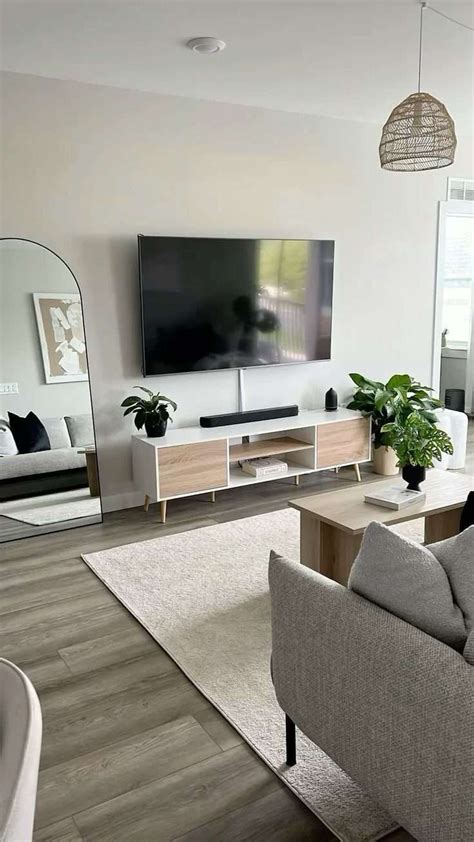
Standard flat-pack furniture offers a reliable baseline for creating stunning wall-to-wall storage units on a modest budget. By taking affordable modular bookcases and tying them together with face frames, crown molding, and strategic lighting, you can easily mimic the appearance of expensive millwork. The key is planning your wall measurements carefully so the units span the entire width of the room, leaving no awkward gaps on either side.
Once your modular units are assembled and leveled against the wall, use 1×2 or 1×3 MDF boards to cover the vertical seams where separate bookcases meet. Painting the entire assembly—including the newly added face frames and trim—in a rich, matte finish unifies the various components into a single, cohesive piece of furniture. Adding inexpensive puck lights or battery-operated LED strip lights inside the upper shelves provides a high-end designer ambiance without complicated electrical wiring.
Plywood and 2×4 Custom Wall Units for Homeowners
Homeowners ready to tackle a slightly more permanent project will find that building shelves entirely from scratch using plywood and dimensional lumber is remarkably cost-effective. Constructing a basic grid frame with sturdy 2x4s anchored straight into structural wall studs provides an indestructible skeleton capable of holding heavy book collections and display pieces without sagging over time.
Using birch or oak plywood for the vertical dividers and shelf boards gives you a smooth surface that accepts wood stain or paint beautifully. Always apply iron-on edge banding to exposed plywood edges before painting or staining to hide the layered grain pattern and ensure a professional, polished finish. Taking time to double-check your measurements with a digital level at every single stage of assembly prevents crooked shelves and misaligned corner joints.
Styling and Finishing Details for a High-End Look
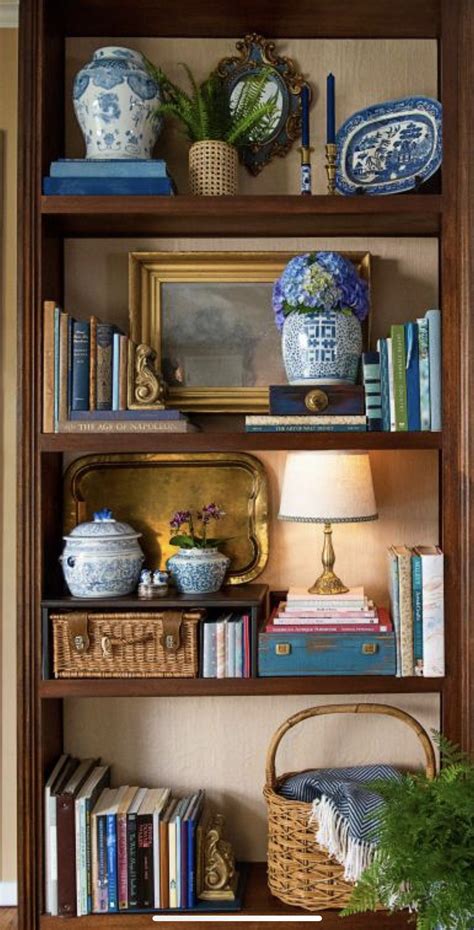
The transition from a simple DIY shelf to an extraordinary focal point relies heavily on thoughtful styling, color choices, and finishing details. Matching your shelving paint color directly to your room’s existing wall color creates a moody, monochrome built-in effect that makes smaller spaces feel more expansive. Alternatively, painting the interior back panel a contrasting accent color draws the eye inward and highlights your favorite decorative objects.
When arranging books and accessories on your new shelves, balance vertical stacks with horizontal rows, and incorporate natural elements like trailing pothos plants, ceramic vases, and framed artwork. Leaving some breathing room rather than overcrowding every square inch prevents visual fatigue and allows the clean lines of your custom creation to shine. By combining solid construction fundamentals with intentional styling, your effortless DIY shelving will look like a permanent architectural masterpiece.
Frequently Asked Questions
How can I make freestanding shelves look like custom built-ins?
You can bridge the gap between freestanding units and built-ins by adding crown molding at the top, attaching baseboard trim at the bottom, and caulking any gaps between the shelves and the walls. Painting the entire structure to match your wall or trim color further unifies the pieces.
What are the best materials for easy DIY shelving?
For budget-friendly and durable shelves, cabinet-grade plywood (such as birch or MDF) combined with solid pine for trim works exceptionally well. If you prefer a simpler approach, pre-fabricated modular bookcases serve as an excellent structural foundation.
Can renters install built-in style shelves without damaging walls?
Yes. Renters can use heavy-duty modular bookcases secured with minimal anchors, or utilize tension-fit shelving systems. Any small screw holes can be easily filled with spackle and touched up with paint when moving out.
How do I secure shelves safely to standard U.S. drywall and studs?
Always use a stud finder to locate wooden wall studs for at least one primary mounting point per unit. For areas falling strictly on drywall, use rated toggle bolts or heavy-duty drywall anchors to ensure the shelving unit can safely support heavy loads.


