Balancing visual appeal with everyday practicality is one of the greatest challenges in modern interior design. In many American living rooms and open-concept apartments, floor space is at a premium, requiring every piece of furniture to pull double duty. Console and sofa tables equipped with integrated shelving offer an elegant solution to this design dilemma. By combining a narrow footprint with vertical storage capacity, these versatile furnishings bridge the gap between decorative display areas and functional organization systems.
Choosing the right piece involves understanding how proportions, materials, and placement interact within your specific floor plan. Whether you are anchoring an expansive suburban living room or maximizing a compact urban apartment, a carefully selected shelf-equipped table transforms wasted wall space or empty floor zones into curated focal points.
Defining Sleek Design: Minimalism Meets Everyday Functionality
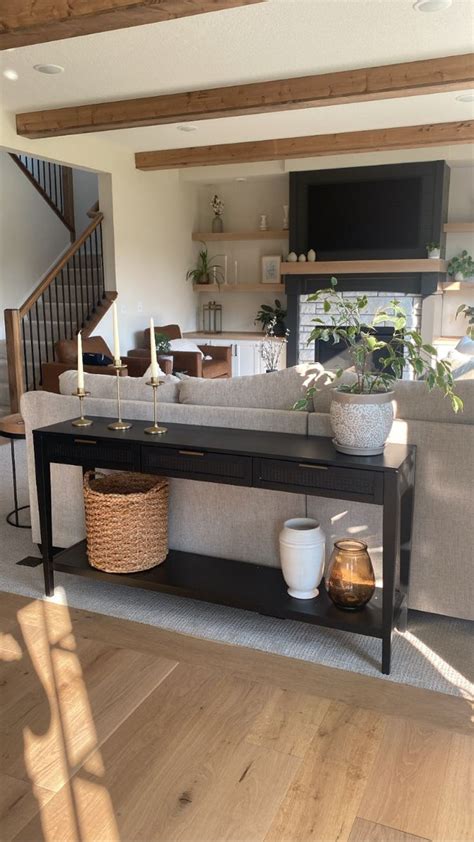
The term “sleek” often brings to mind stark minimalism, but in contemporary home decor, it represents a careful balance of clean lines and intentional utility. A sleek console or sofa table avoids bulky ornamentation, relying instead on slender frames, geometric silhouettes, and refined finishes. When integrated shelving is added to these streamlined profiles, the furniture gains hidden depth without sacrificing its airy, uncluttered appearance.
Open shelving prevents a heavy visual footprint, allowing natural light to flow freely around the room—an essential consideration for smaller U.S. living spaces. Rather than closing off a room with solid storage blocks, a slender metal or wooden frame with tiered lower shelves provides accessible surfaces for books, baskets, and decorative objects while maintaining an open, breathable environment.
The Distinction Between Console and Sofa Tables
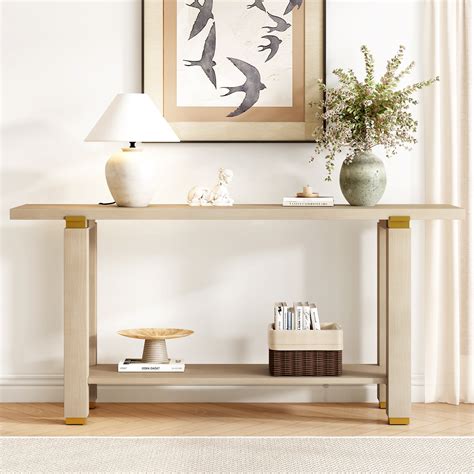
While the terms are frequently used interchangeably in retail settings, subtle distinctions separate traditional console tables from dedicated sofa tables. Console tables are structurally designed to anchor against a wall, making them ideal for entryways, hallways, or against perimeter living room walls. They often require wall-anchoring hardware for stability, particularly in homes with children or pets.
Sofa tables, conversely, are engineered to stand directly behind a living room sofa. Their height is meticulously calibrated to match or sit slightly below the sofa’s back cushion. When these tables feature lower shelves, they provide convenient hidden storage that remains easily reachable from the seating area, perfect for stowing extra throw blankets, reading materials, or remote controls.
Why Integrated Shelving Transforms Living Room Organization
Surface clutter can quickly overwhelm a living room, making even the most expensive decor look chaotic. Tables with lower shelves create designated landing zones that draw small items downward, keeping the primary top surface clean and visually composed. This vertical zoning is a cornerstone of effective interior organization in contemporary homes.
Open lower shelves invite creative display opportunities. You can arrange woven baskets to conceal miscellaneous clutter, stack coffee table books horizontally, or showcase curated ceramic pieces. This multi-tier approach ensures that your furniture adapts to changing household needs over time, transitioning effortlessly from a minimalist display stage to a hardworking family drop-zone.
Selecting Materials and Finishes for Modern U.S. Homes
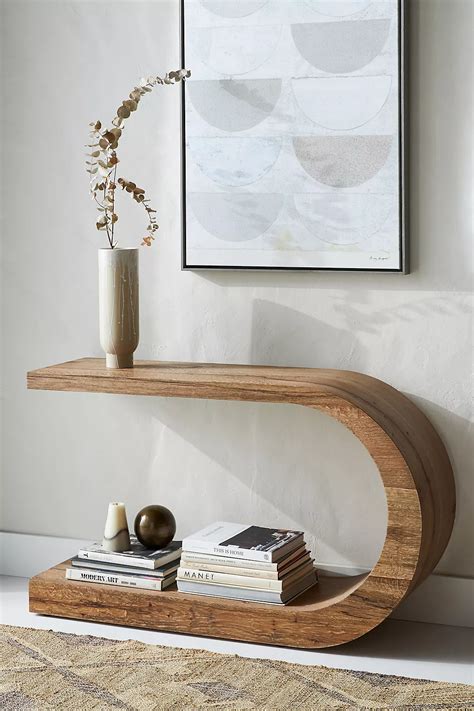
The material palette you select dictates the overarching mood of your living area. Warm woods like walnut, oak, and acacia bring natural texture and timeless warmth, making them ideal for transitional and modern farmhouse aesthetics. Metal frames in matte black, brushed brass, or polished chrome introduce an industrial or mid-century modern edge that resonates strongly in urban loft spaces.
Tempered glass and polished stone surfaces offer another dimension of sleek sophistication. A glass-topped console table with a metallic lower shelf maximizes the perception of space in compact rooms by reflecting light and minimizing visual weight. When choosing your finish, consider existing hardware, lighting fixtures, and flooring tones to maintain a cohesive visual narrative throughout the room.
Sizing, Placement, and Spatial Planning Strategies
Proper placement begins with accurate measurement. Before shopping, measure the length of your sofa or the available wall space, ensuring you leave at least six to twelve inches of clearance on either end so the furniture does not crowd adjacent pathways. Behind a sofa, the table should generally span roughly two-thirds to three-quarters of the couch’s total length.
Height is equally critical. A sofa table should never rise significantly above the back of the sofa, as this creates an awkward visual barrier and disrupts the room’s sightlines. In entryways or narrow hallways, prioritize ultra-slim profiles with a depth of ten to fifteen inches to maintain unobstructed walking paths while still benefiting from functional shelving.
Mastering the Art of Styling Shelved Tables
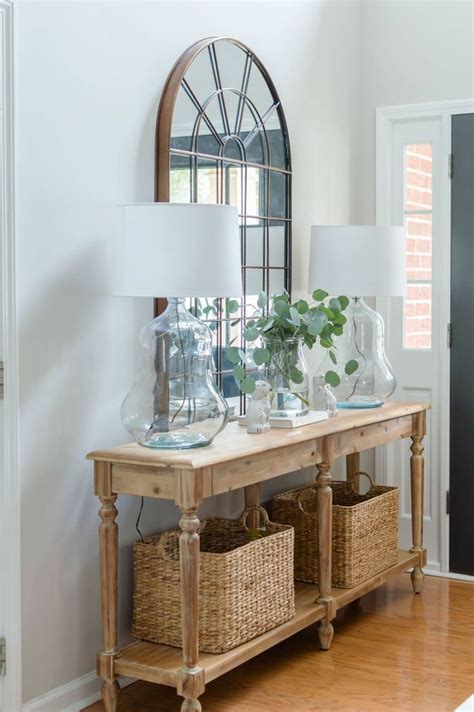
Styling a table with multiple levels requires a strategic approach to balance and scale. Start by anchoring the top surface with a focal point, such as a large piece of art leaning against the wall, a sculptural lamp, or a mirror. Avoid overcrowding the top surface; leave negative space so the design feels intentional and calm.
On the lower shelves, utilize the rule of thirds. Group heavier items like large storage baskets on the bottom tier to ground the furniture visually. Use middle shelves for staggered book stacks paired with small decorative objects. Varying textures—such as combining smooth ceramics, organic wood grains, and woven natural fibers—adds depth and visual interest to the entire display.
Frequently Asked Questions
What is the main difference between a console table and a sofa table?
Console tables are traditionally designed to stand against a wall, frequently found in entryways or hallways, and may require wall anchoring. Sofa tables are specifically scaled in height to sit flush against or just below the back of a living room sofa, providing convenient access to items from the seating area.
How do I style a console table with shelves without making it look cluttered?
To prevent a cluttered look, utilize negative space and vertical zoning. Keep the top surface minimal with just two or three statement pieces. On the lower shelves, use closed storage like woven baskets to hide smaller loose items, and arrange books or decorative objects in balanced, breathable groupings.
What is the ideal depth for a sofa table in a narrow living room?
For narrow living rooms or compact U.S. apartments, look for tables with a depth between 10 and 15 inches. This slim profile ensures the furniture provides useful surface and shelf space without obstructing walking paths or crowding the back of your seating arrangements.
Which materials work best for a modern, sleek aesthetic?
Sleek modern aesthetics often feature combinations of matte black or brushed metal frames with tempered glass tops, polished stone, or clean-lined wood veneers like walnut and white oak. These materials offer durability while maintaining a lightweight, airy visual presence.


