Finding flexible living solutions can be challenging across the United States, whether you own a suburban house with a sprawling lawn or rent a compact apartment with limited storage. Recently, multi-room tents available on Amazon have transitioned from exclusive backcountry gear into multifunctional living assets. These structures offer divided interiors, high ceilings, and weather-resistant fabrics that rival permanent outdoor additions, making them uniquely adaptable for domestic applications as well as traditional weekend getaways.
For everyday Americans balancing remote work schedules, family gatherings, and a desire for outdoor leisure, these oversized tents solve a very specific spatial problem. Homeowners can instantly deploy a private guest suite on their deck or grass, avoiding costly home renovations. Meanwhile, renters can enjoy scalable outdoor living during warm months and pack everything into a surprisingly compact duffel bag when moving day arrives. Evaluating how these shelters fit into your lifestyle requires looking beyond basic campsite specifications to focus on daily utility, storage footprints, and spatial layout.
Understanding the Appeal of Multi-Room Tents for Modern U.S. Households
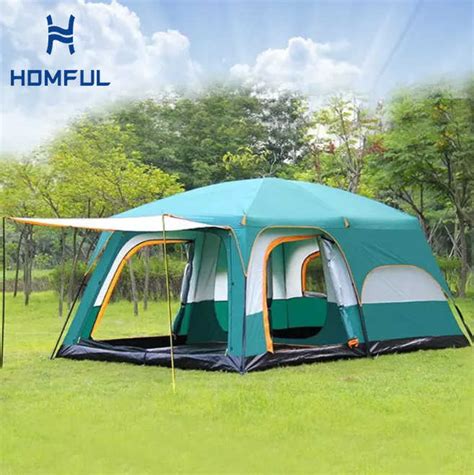
Unlike traditional dome tents that offer one continuous sleeping zone, multi-room models utilize internal privacy curtains or zip-up walls to create distinct partitioned areas. This architectural separation changes how families and groups utilize temporary shelters, introducing privacy similar to a small cabin or RV. When browsing options on Amazon, buyers will notice configurations ranging from two-room cabin tents to massive three-room models featuring separate central living spaces and partitioned bedrooms.
This design versatility supports various household dynamics across different American climates. Parents can tuck young children into a separate sleep zone while retaining an open communal area for evening relaxation. Alternatively, friends sharing a campsite can maintain personal boundaries without needing to pitch multiple individual tents. The inclusion of multiple entry doors further enhances this convenience, allowing occupants to enter and exit different rooms without disturbing others sharing the enclosure.
Why Homeowners and Renters Are Turning to Amazon for Flexible Outdoor Living Spaces
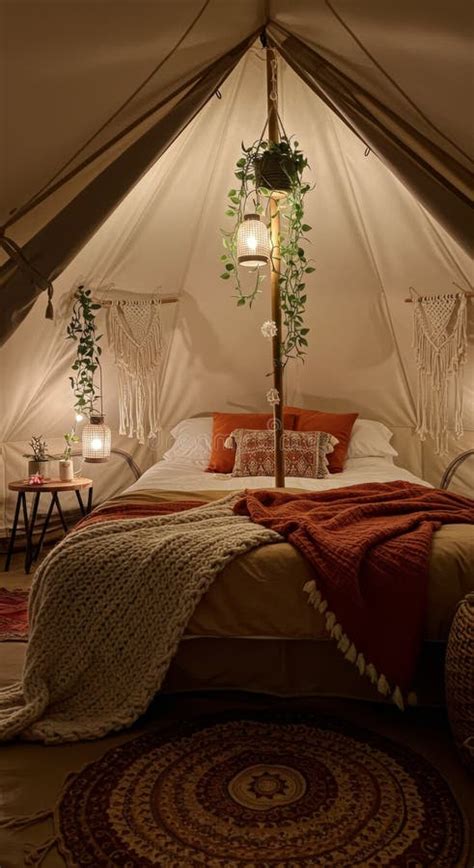
Sourcing outdoor shelters through online marketplaces like Amazon provides unprecedented access to consumer reviews, detailed dimension guides, and quick delivery timelines. Homeowners frequently leverage these expansive shelters to host visiting family members during holidays or peak travel seasons when guest bedrooms reach maximum capacity. Pitching a weather-tight multi-room tent on a backyard lawn creates an immersive glamping experience that delights visitors while keeping household routines undisturbed.
For renters, the primary draw centers on modular portability and zero permanent footprint. Apartment dwellers and townhome renters across the United States often lack permanent storage sheds or oversized garages, making traditional bulky outdoor gear impractical. Multi-room tents collapse down into manageable, compartmentalized carry bags that slip neatly into a hallway closet or apartment storage locker. When lease agreements end, the shelter travels easily to the next home, offering reliable utility year after year without violating property modifications rules.
Key Features to Evaluate When Selecting a Multi-Room Tent
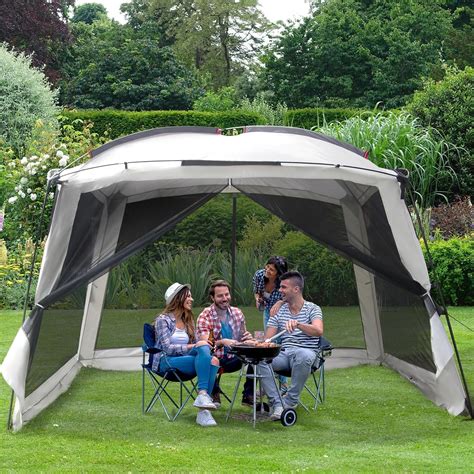
Selecting the right shelter from hundreds of Amazon listings requires careful evaluation of structural integrity, fabric ratings, and ease of assembly. Weather resistance remains paramount, particularly for households residing in regions prone to sudden summer thunderstorms or high winds. Look for tents boasting high hydrostatic head water-resistance ratings on rainflies, fully taped seams, and robust fiberglass or steel pole frames that anchor securely into turf or sub-bases.
Another critical design element involves vertical wall architecture. Traditional dome tents slope inward sharply, severely limiting usable interior floor space and standing room. Multi-room cabin tents typically feature nearly vertical walls and peak heights exceeding six feet, allowing adults to walk upright and comfortably place cots, small tables, or air mattresses inside without awkward maneuvering. Evaluating ventilation options, such as mesh ceiling panels and ground-level air intake vents, ensures comfortable airflow during humid American summers.
Balancing Setup Simplicity with Structural Stability
One common hesitation regarding multi-room tents is the perceived complexity of assembling large, multi-pole frameworks. Many modern models featured on Amazon utilize color-coded pole systems and continuous pole sleeves to streamline the initial pitch. While traditional pin-and-ring systems require two people and fifteen to twenty minutes of coordination, instant frame designs with pre-attached telescoping poles can reduce setup times drastically for solo users.
Before committing to a specific model, consider how frequently you plan to assemble and disassemble the shelter. If the tent will remain pitched in a backyard for an entire summer season, a heavier steel-framed cabin tent offers superior long-term wind resistance. For frequent weekend campers who break camp every Sunday morning, lightweight hybrid frames offer a better balance of portability and ease of transport.
Frequently Asked Questions
What makes a multi-room tent different from a standard camping tent?
Multi-room tents feature internal zip-up divider walls or privacy curtains that split the interior space into two or more separate compartments. They also typically feature taller center heights and near-vertical walls, providing a roomier, cabin-like interior compared to low-profile dome tents.
Can I leave a multi-room tent pitched in my backyard long-term?
While many multi-room tents use durable, weather-resistant materials, leaving any tent pitched outdoors continuously exposes it to intense UV radiation, moisture, and wind wear. For backyard guest use, it is best to pitch the tent during dry weather windows and take it down between uses to maximize its lifespan.
Are multi-room tents difficult for one person to set up?
Setup difficulty varies by design. Traditional cabin-style multi-room tents usually require two people for smooth assembly due to their size. However, many models available on Amazon feature instant-up hubs or color-coded poles that allow a single user to manage the pitching process independently.
How do multi-room tents perform in heavy rain or windy conditions?
Performance depends heavily on the rainfly coverage, seam sealing, and frame material. Look for tents with full-coverage rainflies, taped seams, and sturdy steel or thick fiberglass poles. Properly staking and guylining the tent is crucial to maintaining stability during unexpected storms.


