Furnishing a living room can quickly become one of the most expensive parts of setting up a home. For both first-time apartment renters and established homeowners looking to refresh their space, balancing aesthetic desires with strict financial limits is a constant challenge. Fortunately, exploring the market for living room furniture surplus offers a practical pathway to significant savings. Rather than paying full retail markup for brand-new items, savvy shoppers can tap into overstock, discontinued lines, and showroom liquidations to secure high-quality pieces at a fraction of their original cost.
Understanding how the surplus market operates is the first step toward transforming your living area without draining your bank account. In the United States, major retailers, regional distributors, and specialized liquidators frequently find themselves with excess inventory due to shifting design trends, canceled commercial orders, or seasonal warehouse clear-outs. Knowing where to look, what questions to ask, and how to spot genuine value allows you to furnish your home intelligently while avoiding common pitfalls associated with discounted merchandise.
Understanding Furniture Surplus and Liquidation

The term furniture surplus refers to brand-new, overproduced, or canceled-order merchandise that manufacturers or retailers need to clear out quickly to make space in their warehouses. Unlike used or thrifted items, true surplus furniture has never been owned or lived in by a consumer. It might consist of extra sectional sofas manufactured for a seasonal collection that ended early, or accent chairs from a canceled hotel furnishing contract. Because these items occupy valuable warehouse space, liquidators offer them at steep discounts, sometimes reducing prices by forty to seventy percent.
It is helpful to distinguish surplus inventory from second-hand goods, refurbished pieces, and scratch-and-dent stock. While second-hand furniture carries wear from previous owners, surplus stock is factory-fresh, though it may occasionally show minor cosmetic blemishes from being moved around distribution centers. Recognizing this distinction helps shoppers gauge the true value of a piece. When evaluating a surplus sofa or coffee table, you are essentially getting a retail-grade product minus the marketing and distribution markups typically added by traditional brick-and-mortar storefronts.
Best Places to Find Living Room Surplus in the U.S.
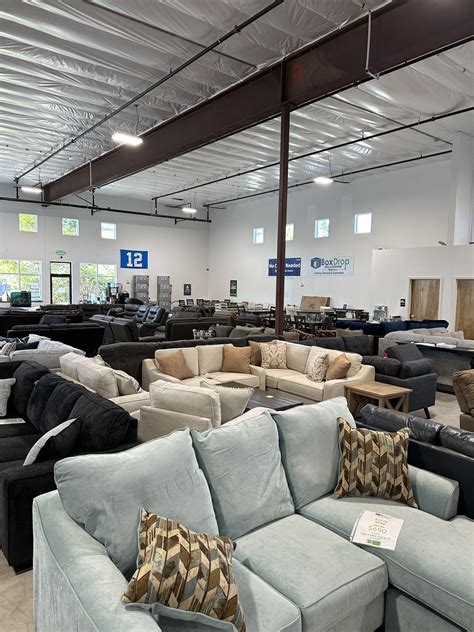
Across the United States, surplus furniture hunting takes several distinct forms, ranging from massive physical liquidators to online overstock platforms. Regional liquidation centers and unclaimed freight stores are fantastic brick-and-mortar destinations where inventory changes weekly. These physical storefronts allow you to test the cushion firmness of a sofa or inspect the wood grain of a media console before committing your money. Exploring local warehouse outlets in your region often reveals hidden gems sourced directly from major national furniture chains clearing out regional distribution hubs.
Online overstock platforms and digital liquidation auctions provide another powerful avenue for U.S. shoppers. Websites specializing in excess inventory partner with major manufacturers to sell clearance living room sets directly to consumers. However, online shopping requires careful attention to shipping costs and return windows, as heavy items like solid wood coffee tables or large sectional sofas can incur steep freight charges. Combining local warehouse visits with targeted digital searches ensures you cover all bases when hunting for the best regional deals.
Evaluating Quality Versus Deep Discounts

A low price tag can easily distract from structural flaws, making it essential to evaluate construction quality carefully before purchasing any surplus living room furniture. When inspecting a clearance sofa, always check the frame materials. Kiln-dried hardwood frames offer superior durability compared to cheap particleboard or stapled plywood, ensuring your discounted piece will last for years. Similarly, examine the joinery; corner-blocked frames indicate a well-constructed piece that can withstand everyday family use.
Upholstery and hardware inspection require an equally discerning eye when browsing surplus showrooms. Look closely at stitching lines, zipper quality, and fabric durability ratings if available. For case goods like TV stands, bookshelves, and side tables, test the drawer glides and door hinges to ensure they operate smoothly without wobbling. Taking a few extra minutes to perform a physical inspection prevents you from bringing home a heavily discounted statement piece that hides structural compromises or failing hardware mechanisms.
Tailoring Surplus Shopping for Renters Versus Homeowners

Renters and homeowners approach furniture surplus with entirely different spatial and temporal priorities. Renters often need modular, adaptable pieces that can easily fit into standard apartment layouts or transition into a future home down the road. For apartment dwellers, choosing a smaller two-seater surplus sofa or lightweight nesting coffee tables provides versatility without overwhelming compact living rooms or creating logistical nightmares during moving day.
Homeowners, on the other hand, can focus on permanent anchoring pieces such as large sectional sofas, built-in style media centers, or solid hardwood accent cabinets that suit a long-term spatial vision. Because homeowners are less likely to relocate frequently, investing time into tracking down high-end surplus items from premium brands pays off over decades. Regardless of your housing status, defining your long-term plans before diving into the surplus market keeps your purchases purposeful rather than purely impulsive.
Navigating Logistics: Delivery, Transport, and Return Policies
One of the most common oversights when buying surplus living room furniture involves underestimating logistical hurdles like transport and delivery. Many liquidation centers operate on a final-sale basis and do not provide complimentary delivery services. If you purchase a large entertainment center or a heavy reclining sofa, you may need to arrange your own truck rental or enlist friends with muscle power to get the items safely to your living room.
Furthermore, understanding return policies is critical when navigating clearance and surplus inventory. Because liquidation items are heavily discounted, retailers frequently enforce strict “all sales final” policies, meaning you cannot return an ill-fitting rug or an oversized armchair if it fails to complement your room layout. Always measure your living space twice, verify doorways and stairwell clearances, and read the fine print regarding store policies before swiping your card.
Frequently Asked Questions
What is living room furniture surplus and why is it cheaper?
Furniture surplus consists of brand-new, overproduced, or canceled-order merchandise that manufacturers need to clear out quickly. It is cheaper because liquidators slash prices to free up expensive warehouse space, bypassing standard retail markups.
Where can U.S. shoppers find reliable furniture surplus stores?
Shoppers can find surplus furniture at regional liquidation centers, unclaimed freight warehouses, outlet stores of major national brands, and dedicated online overstock liquidation websites.
How can I spot defects in clearance and surplus furniture?
Inspect the underlying frame materials for kiln-dried hardwood, check joint construction for corner-blocks, test drawer glides and hinges, and examine upholstery stitching for signs of wear or poor manufacturing.
Is furniture surplus covered by standard warranties?
Many surplus and liquidation items are sold on a final-sale basis and may not carry standard manufacturer warranties, though some retailers offer limited store guarantees or protection plans for an extra fee.
How do I style surplus furniture to look high-end?
Mix your surplus statement pieces with curated decor elements, layer textures with quality throw blankets and cushions, and incorporate good lighting to elevate the overall aesthetic of your living room.


