Finding a sectional sofa that combines generous seating, structural longevity, and an attractive price point is one of the most rewarding home improvement projects you can undertake. A well-chosen sectional anchors an entire living room, offering a cozy retreat for movie nights, hosting space for gatherings, and a defining aesthetic element for your floor plan. However, navigating furniture markdowns requires careful attention to detail. Promotional discounts can sometimes mask inferior construction materials, leaving shoppers with sagging cushions or unstable frames after only a few months of use.
To secure a genuine bargain on a high-quality sectional sofa, you need a strategy that looks past flashy markdown percentages. By understanding what constitutes durable internal construction, accurately measuring your available floor space, and recognizing the ideal seasonal windows for furniture retail sales in the United States, you can make a confident purchase. This guide breaks down the essential criteria for evaluating sectional sofas on sale, ensuring your investment enhances your home for years to come.
Decoding Quality: What to Look for Beneath the Surface
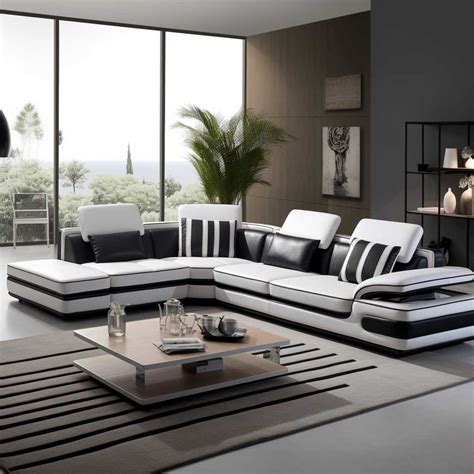
When evaluating a sectional sofa on sale, the most critical components are hidden from view. A deeply discounted price tag is only a true value if the internal frame and suspension systems are built to withstand daily wear and tear. Retailers frequently discount items to clear out inventory, but structural integrity should never be compromised in the pursuit of savings.
Start your evaluation by checking the frame material. High-quality sectional sofas are typically constructed from kiln-dried hardwood, such as oak, beech, or birch. Kiln-drying removes moisture from the wood, preventing the frame from warping, cracking, or squeaking over time. Avoid sectionals made primarily from particleboard, plastic, or unseasoned softwoods, as these materials struggle to support heavy weight and often fail at the joints.
Next, examine the suspension system that supports the seat cushions. Premium sectionals generally feature eight-way hand-tied springs or high-gauge sinuous steel coils. Sinuous springs offer reliable, long-lasting support and are widely used in mid-range to high-end furniture. Webbing or mesh suspensions, by contrast, tend to stretch and sag quickly under regular use. When browsing online sales, look closely at product specifications or manufacturer descriptions to confirm the suspension type before pulling the trigger.
Choosing the Right Configuration for Your Floor Plan
Sectional sofas come in an array of shapes and sizes, making them exceptionally versatile for different room layouts found in American homes and apartments. However, a configuration that looks stunning in a sprawling showroom might completely overwhelm a modest suburban living room or obstruct high-traffic pathways in an open-concept layout.
The classic L-shaped sectional is the most popular choice for both compact apartments and large family rooms. It fits neatly into corners, maximizing seating without blocking natural light or walkways. For larger spaces, a U-shaped sectional creates an enclosed, conversational zone that easily accommodates multiple guests. If you frequently reconfigure your furniture or anticipate moving to a new home soon, consider a reversible chaise sectional or a modular design. Modular units allow you to shift the chaise or individual seating modules from left to right, providing ultimate flexibility as your living arrangements evolve.
Selecting Durable Fabrics for Everyday American Lifestyles

Fabric selection is a crucial decision that directly impacts how well your discounted sectional holds up against daily life. Households with children, pets, or high foot traffic require performance fabrics that resist stains, repelling liquids and pet hair effortlessly. Tightly woven synthetic blends, such as polyester, microfiber, and nylon, offer exceptional durability and are much easier to clean than delicate natural fibers like untreated linen or raw silk.
Leather and high-performance faux leather are also popular choices for their sleek aesthetic and wipe-clean maintenance. Top-grain leather develops a beautiful patina over time and resists spills effectively, though it requires occasional conditioning to prevent drying and cracking. If you prefer the soft, textured feel of woven upholstery, look for fabrics treated with commercial-grade stain-resistant finishes. These treatments provide an extra layer of defense against accidental spills from coffee, wine, or ink, ensuring your budget-friendly sectional maintains a pristine appearance for years.
Strategic Timing: When to Shop for Furniture Sales in the U.S.
Timing your purchase strategically can yield substantial savings on premium sectional sofas. Furniture retailers in the United States typically follow seasonal markdown cycles, making certain months far more advantageous for buyers than others. Understanding these retail rhythms helps you anticipate when deep discounts will appear on the market.
Major holiday weekends, such as Presidents’ Day, Memorial Day, the 4th of July, and Labor Day, are traditional high-volume sale periods for home furnishings. Additionally, furniture manufacturers often release new product lines twice a year—typically in late winter/early spring and late summer. To clear out older inventory and make room for incoming styles, retailers heavily discount current-season stock during late winter (February) and late summer (August and September). Shopping during these clearance windows allows you to purchase higher-tier models that might otherwise exceed your target budget.
Accurate Measuring: Avoiding Costly Return Headaches
One of the most common mistakes shoppers make when buying a sectional sofa on sale is failing to measure the living space accurately. A discounted sofa is no bargain if it cannot fit through your front door, navigate a tight stairwell, or leaves insufficient clearance for coffee tables and entertainment centers.
Begin by measuring the perimeter of your living room, noting the placement of electrical outlets, heating vents, doorways, and windows. Use painter’s tape on the floor to outline the exact footprint of the sectional you intend to purchase. This visual boundary helps you gauge whether the sofa will leave comfortable walking paths—aim for at least 30 to 36 inches of clearance around major pathways. Finally, measure all entry points, including hallways, elevators, and exterior doors. If you live in an older home or an apartment building with tight corridors, opt for modular sectionals that ship in multiple manageable boxes rather than one massive, rigid frame.
Frequently Asked Questions
How can I tell if a sectional sofa sale price is actually a good deal?
To determine if a sale price represents genuine value, compare the specifications—such as frame material, cushion density, and upholstery type—against regular-priced models of similar build quality. Research historical pricing when possible, and be wary of inflated original prices that remain permanently discounted.
Are modular sectionals harder to assemble than traditional ones?
Most modular sectionals are designed for straightforward assembly, featuring interlocking brackets or heavy-duty clips that connect the individual pieces securely beneath the frame. While they require a bit of setup time, their modular nature makes them significantly easier to transport and maneuver through tight entryways.
What cushion fill is best for long-term comfort and durability?
High-resiliency (HR) polyurethane foam wrapped in down-alternative fibers or batting offers an ideal balance of plush comfort and structural support. Avoid low-density foam, which tends to break down quickly and leave permanent body impressions within a short period.


