Choosing the right shelter for a family camping trip or a fun weekend in the backyard requires balancing living space, ease of transport, and storage realities. A 3-room tent offers a unique layout that mimics a multi-room home, giving parents, children, or separate groups distinct zones for sleeping and gear storage. However, because these shelters are significantly larger and heavier than traditional dome tents, smart buyers must look beyond the glossy marketing photos and evaluate how the gear fits their actual lifestyle, vehicle trunk, and home storage space.
Why Invest in a 3-Room Tent?
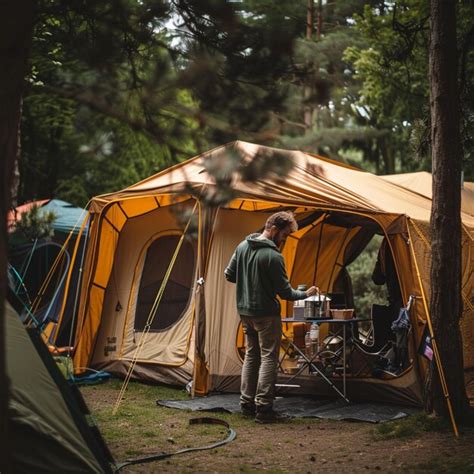
Multi-room shelters transform outdoor living by introducing structural privacy walls or hanging fabric dividers. Unlike standard open-floor tents where everyone shares a single communal zone, a 3-room design lets parents set up a private bedroom on one side, keep a central common area for changing or playing cards, and assign the opposite end to children or guests. This layout drastically improves group harmony during extended trips, especially during rainy afternoons when everyone is confined indoors.
Beyond privacy, these tents excel at managing gear clutter. Instead of tripping over backpacks, boots, and coolers inside your sleeping space, you can dedicate an entire perimeter room as a mudroom or gear storage bay. This keeps sleeping quarters clean, dry, and organized. Homeowners often appreciate this design for backyard campouts with younger children who might feel more secure with distinct rooms while remaining close to the comforts of home.
Evaluating Storage Realities: Homeowners vs. Renters
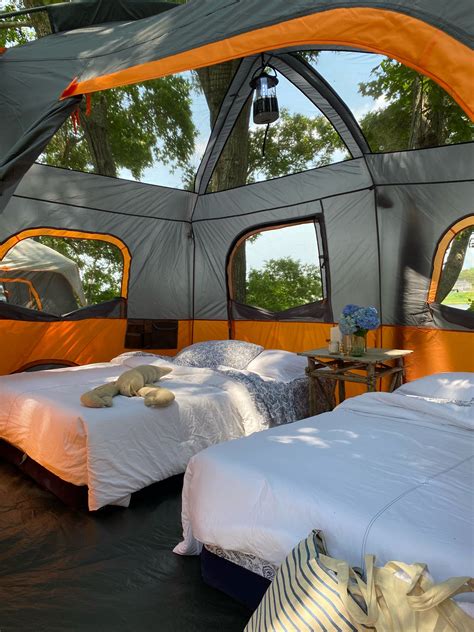
When purchasing a large multi-room shelter, storage space is often the biggest hidden hurdle. U.S. homeowners typically have garage shelves, basements, or dedicated sheds where bulky canvas or polyester bags can sit comfortably during the off-season. Even so, proper drying is crucial before packing everything away to prevent mold and mildew from ruining the fabric over long winter months.
Renters face a completely different set of spatial challenges. Living in an apartment or condo usually means your tent must share closet space with winter coats, vacuum cleaners, and everyday gear. Before buying a massive 3-room shelter, check the packed dimensions and weight. Opting for models that break down into two separate carry bags can make a monumental difference when you are hauling gear up apartment stairwells or trying to slide a storage tote onto a high closet shelf.
Key Features to Prioritize Before Buying
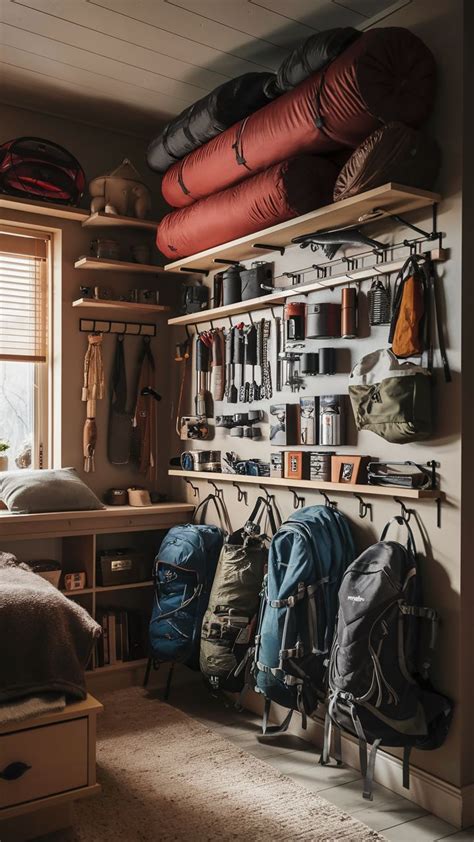
Weather resistance remains a critical factor regardless of whether you plan to camp in national parks or your own backyard. Look for tents with taped seams, sturdy fiberglass or steel frames, and a durable water-repellent (DWR) coating on the rainfly. In unpredictable American climates—ranging from humid southern downpours to windy northern plains—a full-coverage rainfly and reliable guy-line attachment points will keep your interior dry and secure.
Setup complexity is another vital decision criterion. While a 3-room tent requires more time to pitch than a compact two-person tent, many modern options utilize color-coded pole systems and hub designs to simplify the process. It is always wise to practice assembling the shelter in your yard before embarking on a trip. This trial run ensures no missing stakes or tangled poles will ruin your first night under the stars.
Frequently Asked Questions
What makes a 3-room tent different from standard multi-room tents?
While standard multi-room tents often use a single removable curtain to split an open space into two halves, a true 3-room tent typically features distinct physical zones—frequently arranged with two private sleeping pods flanking a spacious central living room or common area.
How do I store a large 3-room tent if I live in an apartment?
To store a bulky tent in a compact apartment, divide the components if possible. Pack the poles and stakes in a long slim duffel, and store the fabric body in a heavy-duty storage bin under your bed or on a high closet shelf. Always ensure the fabric is 100 percent dry before sealing it away.
Are 3-room tents too difficult for a single person to set up?
Most 3-room shelters are engineered for multiple adults because of their sheer size, weight, and expansive pole spans. While experienced campers can pitch them solo under calm conditions, having at least two people makes the process much safer and prevents accidental stress or bending of the frame poles.
How much should I expect to spend on a quality multi-room tent?
Pricing for dependable 3-room shelters generally ranges from $250 to over $600. Higher-end models feature heavy-duty waterproof ratings, robust steel frames, and integrated LED lighting systems, whereas entry-level options offer lighter materials suited primarily for fair-weather camping and backyard use.


