Navigating the vast array of living room furniture offers available to American homeowners and renters requires a balanced approach. While steep seasonal discounts and flash sales can be tempting, true value comes from identifying pieces that combine everyday structural resilience with timeless aesthetic appeal. Whether furnishing a compact urban apartment in Chicago or a spacious suburban home in Dallas, making smart purchasing choices prevents premature wear and tear while elevating the overall design of your primary gathering space.
Understanding how to separate clever marketing from genuine build quality is essential when shopping online or browsing showroom floors. By focusing on core structural elements, material integrity, and versatile scaling, you can curate a cohesive living room environment that adapts to shifting lifestyle needs without requiring frequent replacements.
Decoding Living Room Furniture Deals: Quality Over Percentage Off
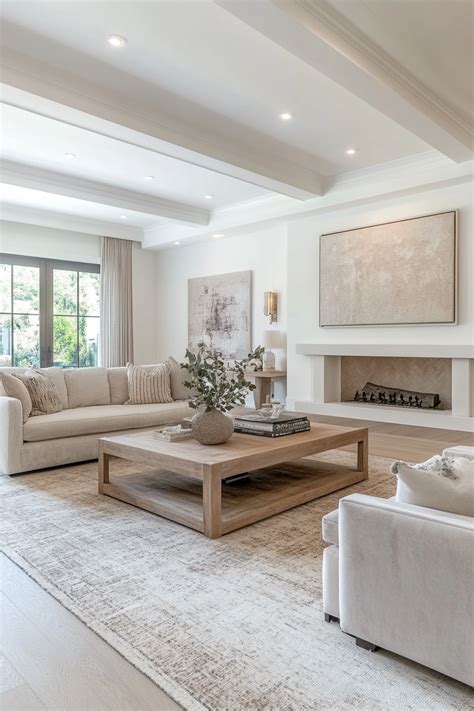
When evaluating promotional offers, shoppers frequently fall into the trap of prioritizing the deepest discount percentage over construction integrity. A heavily marked-down sofa loses its value quickly if the internal frame consists of unreinforced particleboard or weak joinery that fails under everyday family use. Assessing the underlying materials—such as kiln-dried hardwood frames, high-resilience foam cushions, and reinforced steel hardware—ensures that a discounted price actually translates into a sound long-term investment.
Furthermore, reading the fine print regarding warranties and return policies is a crucial step when purchasing furniture online. Reputable retailers typically stand behind their craftsmanship with structural warranties lasting several years, whereas clearance items sold final-sale may carry hidden risks. Balancing upfront savings with long-term durability metrics ultimately protects your budget and ensures your living room remains functional and attractive for years to come.
Sizing and Scaling for U.S. Living Spaces
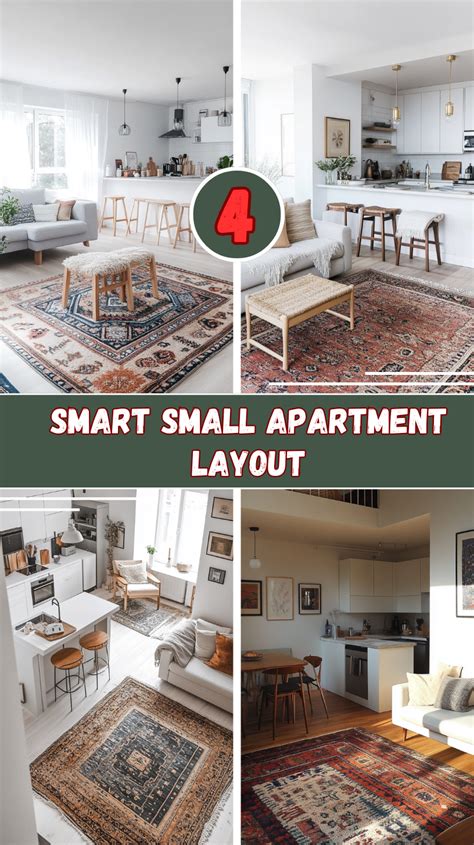
Spatial awareness forms the foundation of any successful living room layout. In compact urban rentals, oversized sectional sofas can quickly overwhelm square footage, blocking natural pathways and making the room feel cramped. Conversely, undersized accent pieces in sprawling suburban family rooms can look lost and unanchored. Measuring your room dimensions precisely and mapping out clearance zones around doorways and windows helps prevent costly sizing mistakes.
Multifunctional furniture serves as an invaluable asset for smaller footprints, offering hidden storage or modular flexibility. Storage ottomans, nesting coffee tables, and slim-profile media consoles maximize utility without sacrificing floor space. In larger rooms, floating furniture arrangements away from perimeter walls create intimate conversation zones, preventing the cavernous feel that often plagues open-concept American floor plans.
Balancing Core Pieces: Sofas, Consoles, and Accent Seating
Creating a balanced room requires distributing visual weight evenly across your primary furniture selections. The sofa typically anchors the space, making its silhouette, upholstery fabric, and color tone the most impactful decisions you will make. Neutral performance fabrics like heavy-duty wovens or treated linens offer exceptional longevity and stain resistance, making them ideal choices for households with pets or children.
Complementing the main seating arrangement involves thoughtful placement of media consoles and occasional tables. A media console should balance the visual mass of your television while providing adequate cord management and enclosed storage to reduce visual clutter. Rather than matching every wood finish or metal accent, mixing complementary textures—such as a warm oak coffee table alongside a matte black iron shelving unit—adds organic depth and prevents the space from looking like a generic showroom catalog.
Elevating Budget Finds Through Layered Styling
Securing affordable furniture pieces does not mean your living room has to look generic or uninspired. The secret to making budget-friendly items look high-end lies in layering accessories, textiles, and lighting. Introducing rich textures through wool area rugs, heavyweight drapery panels, and patterned throw pillows draws the eye away from mass-produced frames and creates a customized, curated atmosphere.
Lighting also plays a transformative role in highlighting the best aspects of your living room. Instead of relying solely on harsh overhead fixtures, incorporate a mix of floor lamps, table lamps, and picture lights at varying heights to cast a warm, ambient glow. Paired with personal artwork and botanical elements, these thoughtful finishing touches elevate even the most economical furniture finds into a polished, designer-worthy sanctuary.
Frequently Asked Questions
What are the most durable frame materials to look for when buying a sofa?
Kiln-dried hardwood, such as oak, beech, or birch, offers the highest structural integrity and prevents warping over time. Avoid sofas built entirely from unreinforced particleboard or plastic joints, as they tend to sag and break under routine household use.
How can I make a small apartment living room feel larger with furniture?
Opt for furniture with exposed legs, such as mid-century modern sofas and consoles, which allow light to pass underneath and create an illusion of space. Additionally, choose glass or acrylic coffee tables to minimize visual bulk in tight layouts.
Are performance fabrics worth the extra cost?
Yes, performance fabrics treated to resist stains and moisture are highly recommended for high-traffic living rooms, especially if you have children or pets. They significantly extend the lifespan of upholstery by resisting daily wear and simplifying routine cleanup.
What is the ideal distance between a sofa and a coffee table?
An optimal clearance of 14 to 18 inches between the edge of your sofa and the coffee table provides comfortable legroom while keeping drinks and remotes easily within arm’s reach.


