Creating a beautiful, well-appointed home does not require an unlimited budget, yet many homeowners and renters struggle to find pieces that balance affordability with lasting style. The secret to achieving an upscale interior lies less in overspending at high-end showrooms and more in understanding retail cycles, recognizing hidden sourcing channels, and knowing how to evaluate structural integrity before handing over your credit card. When you approach home furnishing strategically, you can secure significant markdowns without falling into the fast-furniture trap.
By aligning your purchasing timeline with industry patterns and applying careful scrutiny to clearance items, outlet selections, and secondhand markets, you stretch your decorating dollars significantly further. This guide explores the practical mechanics of timing your purchases, inspecting construction quality, and styling budget finds so they look intentionally curated rather than hastily assembled.
Mastering the Retail Calendar: When to Buy Furniture on Sale
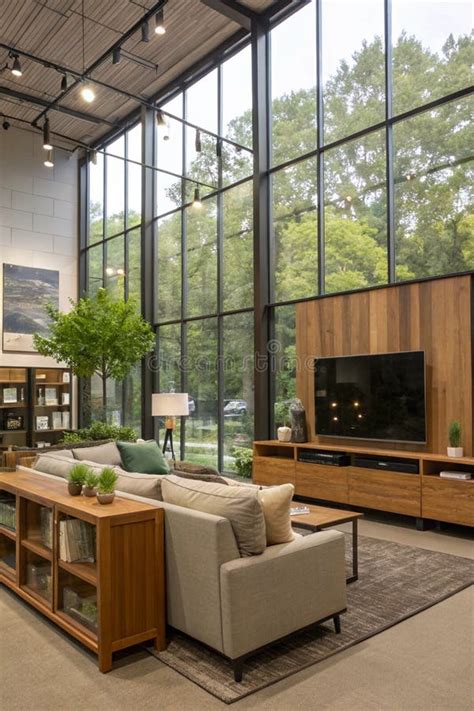
Furniture retail operates on predictable inventory cycles, meaning that buying a sofa or dining table at full price is almost always avoidable if you know when to time your search. Manufacturers typically introduce new inventory twice a year, in February and August. In the weeks leading up to these launches, retailers slash prices on current floor models and warehouse stock to clear floor space for upcoming collections, creating prime opportunities for deep discounts.
In addition to these seasonal transitions, major federal holiday weekends—such as Presidents’ Day, Memorial Day, Independence Day, and Labor Day—consistently feature aggressive promotional events. Black Friday and Cyber Monday remain reliable windows for online retailers, though local brick-and-mortar storefronts often provide better clearance deals on physical inventory that they need to move before the end of the calendar year. Tracking these cycles allows you to plan your room updates months in advance rather than making rushed, expensive purchases out of immediate necessity.
Sourcing Beyond the Standard Showroom
Relying solely on mainstream furniture chains often limits your access to true bargains and unique character pieces. Diversifying your sourcing strategy opens up unexpected avenues for substantial savings. Local furniture outlets, factory clearance centers, and scratch-and-dent warehouses often house pieces with minor cosmetic flaws—such as a scuffed leg or a small tear on a hidden backing fabric—that are discounted by thirty to sixty percent despite remaining structurally sound.
Digital peer-to-peer marketplaces and estate sales also offer extraordinary value for buyers willing to put in the time to inspect items personally. When shopping secondhand, prioritize solid wood frames over particleboard, as older construction methods frequently outlast modern flat-pack alternatives. A vintage dresser or solid oak dining table bought secondhand can often be sanded, refinished, or updated with new hardware for a fraction of the cost of a brand-new retail equivalent.
Evaluating Quality Versus Price Tag

A low price tag loses its appeal quickly if the piece begins to wobble, sag, or disintegrate within six months of daily use. Evaluating structural integrity before purchase is essential to avoiding false economies. For upholstered items like sofas and armchairs, check the frame construction; kiln-dried hardwood frames joined with dowels, corner blocks, and screws offer exceptional durability, whereas stapled plywood or plastic joints usually signal short-lived furniture.
When examining case goods like tables, bookcases, and credenzas, inspect the drawer joints and stability of the legs. Dovetail joinery in drawers indicates traditional craftsmanship that holds up to frequent pulling and weight, while glued-only joints tend to fail quickly under stress. Understanding these foundational markers enables you to distinguish between a genuine bargain on a quality piece and a poorly constructed item that will soon require replacement.
Elevating Budget Pieces Through Intentional Styling

Once you secure affordable furniture, the final step is styling those pieces so your entire space feels cohesive, layered, and sophisticated. Mass-produced budget items often lack architectural character, which you can easily remedy by upgrading small details. Swapping out standard manufacturer hardware—such as basic wooden knobs or generic metal pulls—for heavy brass, matte black, or brushed nickel alternatives instantly elevates the perceived value of a dresser or media console.
Furthermore, balancing low-cost staples with tactile textiles and purposeful lighting distracts the eye from generic manufacturing. Pair a budget-friendly upholstered sofa with high-texture throw pillows, a heavy woven wool rug, and ambient table lamps rather than relying on harsh overhead lighting. By anchoring your affordable finds with thoughtful styling choices, you create a personalized, high-end interior without breaking your budget.
Frequently Asked Questions
When are the best times of the year to buy furniture?
The best times to purchase furniture are typically during major holiday weekends like Memorial Day, Labor Day, and Presidents’ Day, as well as during late winter (February) and late summer (August), when retailers clear out old inventory to make room for new collections.
How can I tell if cheap furniture is actually good quality?
To assess quality, inspect the materials and joinery. Look for solid wood or sturdy plywood frames rather than particleboard, check for reinforced corner blocks on seating, and look for dovetail joints in drawers, which indicate durable construction.
Where are the best places to find hidden furniture discounts?
Beyond traditional sales, look into local furniture outlet stores, factory clearance centers, scratch-and-dent warehouses, estate sales, and online peer-to-peer marketplaces where you can find well-built secondhand items at a fraction of their original retail cost.
How do I make budget-friendly furniture look expensive?
You can elevate budget pieces by replacing standard hardware with heavier, custom pulls and knobs, pairing them with high-texture textiles like wool rugs and linen pillows, and styling the surrounding space with deliberate lighting and curated art.


