Furnishing a living room can quickly become an overwhelming financial hurdle, especially for new homeowners and renters trying to balance aesthetic aspirations with tight monthly budgets. Across the United States, shoppers often find themselves torn between overpriced boutique showrooms and flimsy, short-lived discount pieces that barely survive a single lease. Fortunately, the retail landscape features numerous accessible destinations that bridge the gap between attractive design and wallet-friendly pricing. Navigating these options successfully requires looking beyond catchy marketing slogans and understanding the specific strengths of national chains, digital storefronts, and local treasure troves.
Finding stylish savings is not just about hunting for the lowest price tag; it involves evaluating structural materials, return windows, assembly requirements, and delivery fees that can suddenly inflate a modest budget. Whether you prefer sinking into a plush sectional or styling a sleek, minimalist media console, knowing where to look across the American market saves both time and money. This guide breaks down the most reliable physical and online furniture sources, offering a realistic framework for outfitting your living room without financial strain.
National Brick-and-Mortar Chains for Hands-On Shoppers
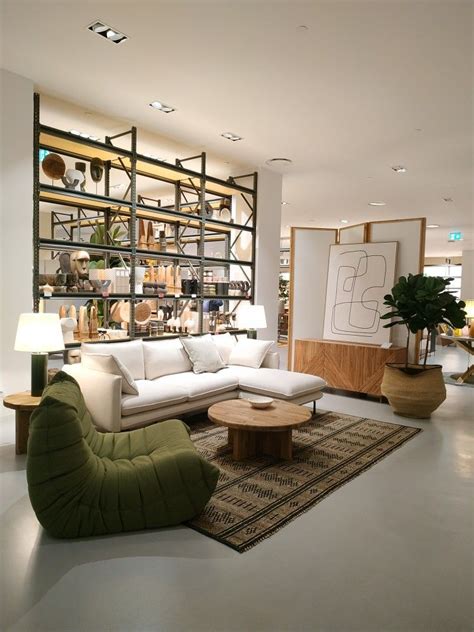
For buyers who prefer touching fabric swatches, testing cushion firmness, and hauling items home the same day, national big-box and specialized furniture chains remain indispensable. Retailers like IKEA, Target, and Big Lots anchor suburban shopping centers across nearly every U.S. state, offering predictable pricing and extensive inventory. IKEA continues to dominate the modular living room space, providing clever storage systems and versatile seating solutions that can be easily customized with aftermarket slipcovers or legs for a high-end look.
Target’s home decor collaborations and owned brands like Studio McGee offer a different kind of value, focusing heavily on current aesthetic trends. While major upholstery items from mass-market big-box stores may not withstand decades of heavy daily use, they provide an affordable canvas for renters and first-time homeowners who want an instant room refresh. When shopping physical storefronts, always inspect floor models carefully for wear and ask customer service associates about upcoming seasonal clearance cycles or floor model discounts.
Digital-First Retailers and Direct-to-Consumer Value

The digital marketplace has revolutionized how Americans shop for furniture, cutting out traditional showroom overhead to pass significant savings directly to the consumer. Brands like Wayfair, Article, and Burrow dominate the online living room sector by offering vast digital catalogs, transparent customer reviews, and doorstep delivery. Wayfair acts as a massive aggregator, making it easy to filter sofas, coffee tables, and accent chairs by exact dimensions, color palettes, and strict price ceilings.
However, shopping online introduces unique challenges, such as the inability to test seat depth or accurately gauge color tones under different lighting conditions. To mitigate these risks, successful online shoppers always read customer-submitted photo reviews rather than relying solely on studio photography. Furthermore, checking a retailer’s return policy is critical; some digital platforms charge hefty restocking fees or require original packaging for returns, which can turn a bargain couch into an expensive mistake.
Regional Outlets, Thrift Stores, and Local Finds
Beyond massive national corporations, some of the most durable and unique living room furniture pieces are found through regional liquidators, furniture outlets, and carefully curated thrift networks. Many metropolitan areas across the U.S. host dedicated clearance centers for major department stores or high-end brands, where overstock and minorly scratched items are sold at steep discounts. Exploring local Habitat for Humanity ReStores or reputable consignment shops can unearth solid wood coffee tables and vintage accent chairs that outlast flat-pack alternatives.
The trade-off with secondhand and outlet shopping is the lack of guaranteed inventory and the necessity of arranging your own transportation or paying local delivery fees. Yet, the reward is often superior craftsmanship and a one-of-a-kind living room aesthetic that cannot be replicated by mass-produced catalog items. Patience and persistence are your best tools when navigating local resale markets, as great pieces sell quickly.
Smart Shopping Strategies for Maximizing Your Budget
Securing the best deal on living room furniture involves more than simply choosing the right store; timing and strategic purchasing play equally vital roles. Retailers across the United States typically run deep promotional discounts during standard holiday weekends, such as Presidents’ Day, Memorial Day, Labor Day, and Black Friday. Planning your major living room purchases around these calendar events can easily save you twenty to forty percent on big-ticket items like sofas and media centers.
Another effective tactic is prioritizing your spending based on daily impact. Invest the largest portion of your budget in a comfortable, structurally sound sofa, while saving money on easily replaceable accent pieces like side tables, throw pillows, and rugs. Additionally, always factor potential shipping and assembly costs into your overall budget calculation before finalizing any online or in-store purchase.
Frequently Asked Questions
Where can I buy affordable living room furniture with fast shipping in the U.S.?
Major online retailers like Wayfair and Amazon offer extensive selections with rapid shipping options across most of the United States. For physical stores with immediate stock availability, large-format chains like IKEA and local furniture liquidators allow you to pick up items on the same day.
How can I ensure budget furniture is durable enough for daily use?
Look for solid wood or reinforced metal frames rather than particleboard when possible. Check customer reviews for long-term durability notes, and verify if the manufacturer offers a limited warranty on structural components like sofa springs and frames.
Are outlet stores cheaper than traditional furniture stores?
Yes, furniture outlets and clearance centers typically sell overstock, discontinued models, or items with minor cosmetic flaws at significant discounts compared to standard retail showrooms.
What hidden costs should I watch out for when buying cheap furniture?
Always review delivery fees, heavy-item surcharges, home assembly costs, and return restocking fees. These added expenses can quickly transform a seemingly cheap furniture find into a costly purchase.