The entryway sets the tone for your entire home, yet it is frequently the most challenging area to keep organized. In many American homes, apartments, and townhouses, the foyer or front hallway offers minimal square footage while bearing the heavy burden of daily foot traffic. Keys, mail, sunglasses, dog leashes, and shoes accumulate rapidly on the floor or nearest flat surface when there is no dedicated drop zone. Investing in a thoughtfully designed console table with built-in storage provides an immediate remedy, marrying everyday functionality with welcoming interior style.
Choosing the right piece requires balancing physical constraints with storage capacity. Standard hallways often feature narrow clearances where traditional furniture blocks foot traffic or door swings. By understanding how to select appropriate dimensions, evaluating the trade-offs between open and closed storage, and applying clever styling techniques, you can turn even the tightest transitional space into a streamlined, highly functional drop zone that enhances your home decor.
Evaluating Spatial Constraints and Dimensions in American Entryways
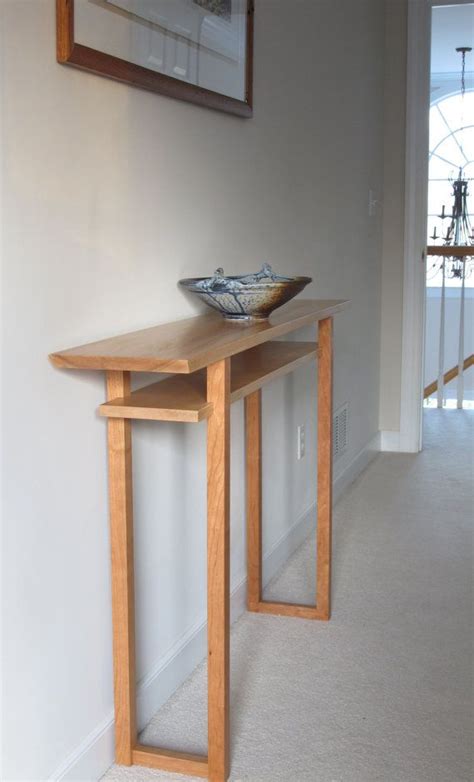
American architectural floor plans vary widely, ranging from historic brownstones with long, narrow corridors to modern suburban open-concept layouts where the front door opens directly into the living room. Before browsing furniture catalogs, take accurate measurements of your available wall space, paying close attention to door clearance, baseboard heaters, and electrical outlets. Standard console tables traditionally measure around 30 to 36 inches in height, but depth is the critical dimension for narrow entryways. While standard console tables often measure 15 to 18 inches deep, tight hallways require slim profiles ranging from 9 to 12 inches to maintain comfortable walking paths.
When assessing width, ensure the table leaves adequate clearance on either side so the area does not feel cramped or visually overwhelmed. If your front door swings inward near where the console will sit, use painter’s tape on the floor to map out the furniture’s exact footprint. This simple step helps visualize how the piece interacts with your daily movement patterns. Selecting a piece that matches your wall length proportionally creates visual balance, anchoring the entryway without obstructing the natural flow of traffic into adjacent rooms.
Balancing Slim Profiles with Everyday Practicality
Ultra-narrow console tables measuring under 10 inches in depth are incredible space-savers for compact apartment foyers, but they come with distinct design trade-offs. Because of their shallow depth, they cannot support traditional table lamps with wide bases or accommodate oversized decorative trays. Instead, homeowners must rely on wall-mounted lighting sconces or slim picture lights to brighten the space. Despite these physical limitations, a shallow console provides more than enough surface area for a small catch-all dish for keys and outgoing mail, proving that you do not need bulky furniture to achieve effective entryway organization.
Choosing Between Hidden Storage and Open Shelving
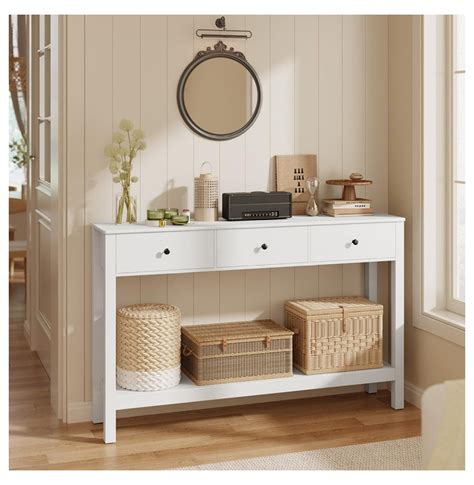
When selecting a space-saving console table, the internal storage configuration dictates how well the furniture manages household clutter. Console tables equipped with shallow drawers offer an ideal hiding spot for items you want out of sight, such as spare keys, sticky notes, pens, sunglasses, and wallets. Drawers keep horizontal surfaces looking clean and intentional, preventing the cluttered aesthetic that often plagues busy entryways. However, drawers add to the overall cost and mechanical complexity of the furniture, requiring smooth slides and sturdy construction to withstand frequent daily use.
Conversely, console tables featuring open lower shelves or wire baskets provide a more airy, lightweight visual footprint that can make small entryways feel larger and less obstructed. Open shelving works exceptionally well for storing baskets filled with seasonal accessories like gloves and scarves, or for neatly lining up pairs of everyday shoes. The primary trade-off with open storage is visual discipline; without closed cabinet doors or drawer faces, baskets and stored items must remain neat and organized at all times to prevent the entryway from looking chaotic and messy.
Hybrid Storage Solutions for Maximum Versatility
Many modern console table designs successfully combine both closed drawers and open lower shelves, offering the best of both worlds for busy households. Upper drawers conceal small daily necessities, while the lower shelf accommodates larger storage bins or decorative items that anchor the furniture visually. This tiered approach allows you to categorize your clutter effectively, separating small loose items from bulkier footwear and bags. Selecting a hybrid unit ensures your entryway adapts easily as your storage needs evolve over time.
Material Selection and Durability for High-Traffic Entry Zones
The entryway experiences some of the most rigorous daily wear and tear in any home, making material selection a critical factor for long-term satisfaction. Solid woods like oak, walnut, and acacia offer exceptional durability and timeless appeal, though they require periodic dusting and careful protection against moisture from wet umbrellas or snowy boots. For households with young children or pets, scratch-resistant finishes and durable veneers provide a resilient surface that resists the bumps and scrapes common in high-traffic transition zones.
Metal frames paired with engineered wood or glass tops represent another popular choice for modern and industrial American interiors. Powder-coated steel legs provide robust structural stability without adding visual weight, keeping the entryway feeling open and spacious. Glass tops reflect light around dim hallways, though they demand frequent cleaning to keep fingerprints and dust at bay. Evaluating how your household actually uses the space will guide you toward materials that survive daily life while maintaining their sophisticated appearance.
Styling Techniques to Enhance Space and Light in Small Foyers
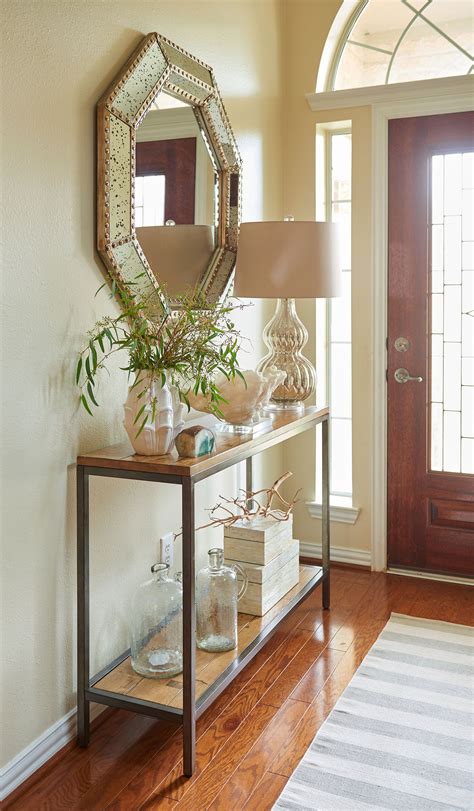
Once your space-saving console table is securely positioned, thoughtful styling can dramatically elevate the entire entryway experience. Because small foyers often lack natural windows, incorporating a vertical mirror directly above the console table serves both a functional and spatial purpose. A mirror bounces ambient and artificial light around the hallway, creating an optical illusion of depth that makes cramped spaces feel significantly larger and more open.
Keep styling accessories minimal and purposeful to prevent the console surface from becoming cluttered again. A balanced vignette typically includes a tall vertical element (like a framed piece of art leaning against the wall or a slender table lamp), a functional container for keys, and a touch of organic life such as a small potted succulent or a vase with dried botanicals. Leaving a portion of the table surface completely bare maintains a clean, breathable aesthetic that welcomes guests with understated elegance.
Frequently Asked Questions
What is the ideal depth for a console table in a narrow American hallway?
For narrow hallways, look for console tables with a depth between 9 and 12 inches. This leaves sufficient walking clearance while still providing a functional surface for keys and mail.
How can I hide shoe clutter using an entryway console table?
Choose a console table with an open lower shelf and pair it with matching fabric bins, woven baskets, or low-profile pull-out shoe racks to keep footwear neatly contained and out of sight.
Are drawers better than open shelves for entryway storage?
Drawers are better for hiding small, loose items like keys, sunglasses, and mail to keep surfaces tidy. Open shelves work well for decorative baskets, bags, and shoes, but require more disciplined organizing to avoid a messy look.
How do I prevent a console table from making a small foyer look cramped?
Opt for console tables with slender metal legs rather than bulky solid cabinets, and keep styling minimal. Pairing the table with a wall mirror helps reflect light and opens up the visual space.