Designing a compact urban dwelling requires a careful balance between aesthetic comfort and strict spatial economics. When floor space is at a premium, every square foot must perform double duty without making the interior feel cramped or visually chaotic. Whether you are leasing a downtown studio or owning a cozy suburban starter apartment, optimizing your primary gathering area is entirely possible with thoughtful planning. By shifting focus toward vertical surfaces, multi-use furnishings, and strategic lighting, you can transform a restrictive footprint into an open, breathable sanctuary.
Rather than relying on generic design rules, modern small-space living demands a tailored approach that respects standard American apartment dimensions. Standard configurations often feature narrow walkways, awkward radiator placements, or combined kitchen-living layouts that limit traditional furniture arrangements. Implementing targeted adjustments helps resolve these architectural hurdles while maintaining a cohesive, stylish atmosphere that reflects your personal taste.
Embracing Multi-Functional and Scaled Furniture
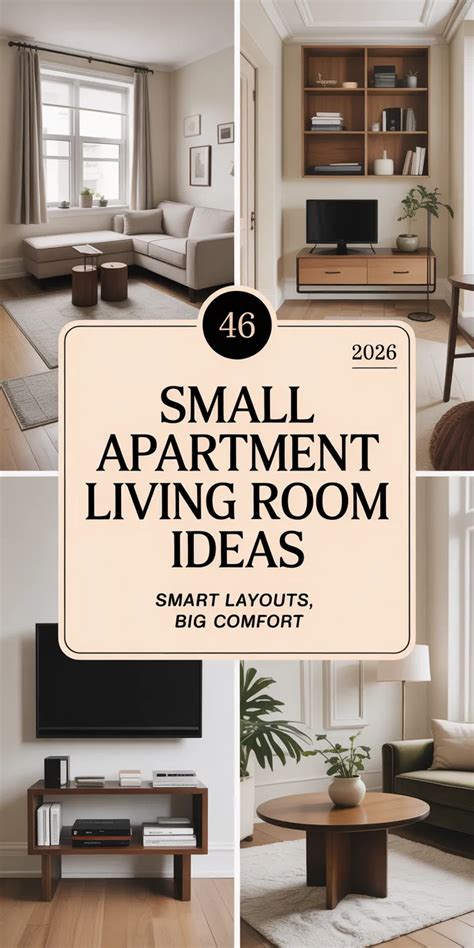
Choosing the right furniture scale remains the single most impactful decision for any compact interior. Oversized sectional sofas or heavy media consoles frequently overwhelm narrow floor plans, creating bottlenecks that restrict natural movement throughout the apartment. Opting for streamlined profiles, exposed legs, and modular components allows light to circulate freely around the room, which instantly tricks the eye into perceiving a more expansive boundary.
Multi-functional pieces eliminate the need for redundant items by serving more than one practical purpose in daily life. Consider deploying a storage ottoman that functions as a coffee table, extra seating, and a hidden repository for winter blankets. Nesting tables provide surface area when entertaining guests but slide neatly underneath one another when floor space needs to be cleared for exercise or quiet relaxation.
Maximizing Vertical Surfaces and Wall-Mounted Storage
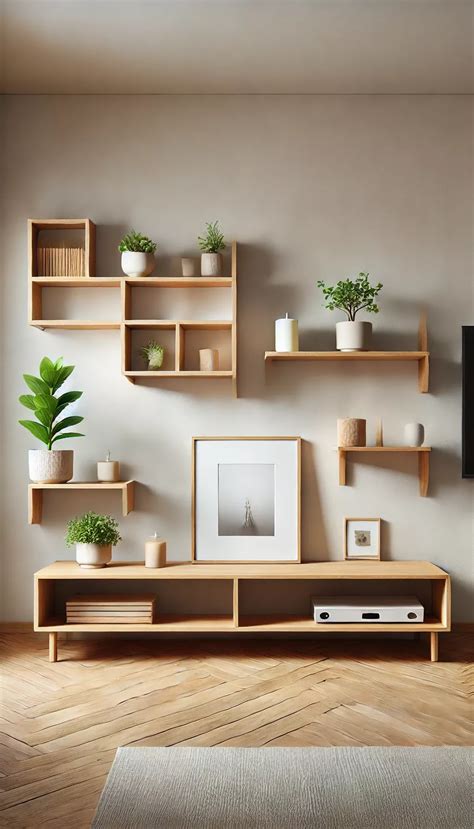
When horizontal square footage is severely restricted, looking upward offers an abundance of untapped storage potential. Floor-to-ceiling shelving draws the eye toward the ceiling line, emphasizing height rather than width and making the entire apartment feel much larger than its actual footprint. Installing floating shelves above a sofa or media unit creates display space for books and personal artifacts without encroaching on valuable walking paths.
Rental-friendly mounting solutions have evolved significantly, allowing residents to secure heavy shelving units and wall art without violating lease agreements or causing permanent structural damage. Using heavy-duty adhesive anchors or tension-based pole systems provides robust support for vertical organizers. This approach keeps clutter off the floor and off main surfaces, establishing a clean, minimalist environment that promotes mental clarity.
Strategic Lighting and Reflective Surface Techniques
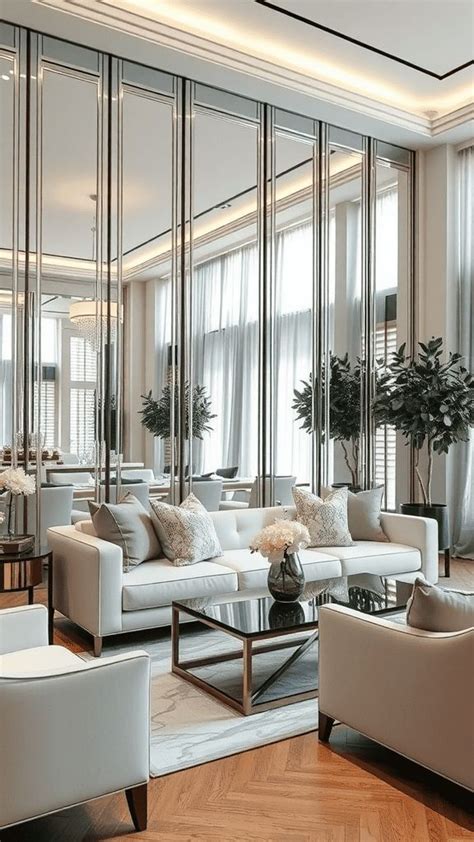
Lighting plays a critical role in altering the perceived dimensions of a compact room by eliminating dark corners that visually shrink the space. Relying solely on a single overhead ceiling fixture often casts harsh shadows, making walls feel closer than they actually are. Instead, layer your illumination by combining slim floor lamps, directional wall sconces, and subtle under-shelf LED strips to create depth and warmth.
Integrating reflective surfaces naturally bounces ambient light around the room, multiplying the effectiveness of both natural windows and artificial fixtures. Positioning a large, arched mirror directly opposite a primary light source creates an immediate illusion of a deeper room. Glass or acrylic coffee tables further reduce visual weight, allowing rugs and flooring patterns to remain visible through the furniture rather than blocking sightlines.
Frequently Asked Questions
How can I make a small apartment living room look bigger without renovating?
You can visually expand a small living room by choosing low-profile furniture with exposed legs, hanging curtains closer to the ceiling line, using large mirrors to reflect natural light, and keeping clutter contained in multi-functional storage pieces.
What type of sofa works best in a narrow living room?
Loveseats, apartment-sized sofas with slim armrests, or modular sectionals with reversible chaises are ideal. Avoid bulky, deep-seated traditional couches that block walkways and overwhelm narrow layouts.
How do I arrange furniture in a combined living and dining apartment?
Use area rugs to anchor distinct functional zones. Keep pathways between the zones clear, and opt for transparent or lightweight furniture that maintains sightlines across the entire open-concept space.
Are wall-mounted shelves safe for apartment rentals?
Yes, provided you use renter-friendly hanging methods or patch standard drywall anchor holes properly before moving out. Many modern shelving systems also rely on heavy-duty adhesive strips or tension rods designed specifically to protect rental property walls.


