Living in a studio apartment offers a wonderful sense of minimalist freedom, but the lack of interior walls can quickly make your home feel like one giant, cluttered room. When your bed, dining table, and workspace all occupy the exact same field of vision, it becomes difficult to mentally unwind at the end of the day. Successfully carving out dedicated functional zones requires a thoughtful approach to spatial planning, balancing the desire for privacy with the absolute necessity of maintaining open airflow and natural light.
Whether you are bound by strict lease agreements as a renter or have the freedom to make minor architectural updates as a homeowner, dividing a compact floor plan is entirely achievable. The secret lies in choosing strategies that create psychological or physical boundaries without shrinking your visual footprint. By incorporating clever furniture arrangements, flexible textile barriers, and deliberate lighting choices, you can completely transform a single open box into a multi-room sanctuary.
Anchor Your Space with Multi-Functional Furniture
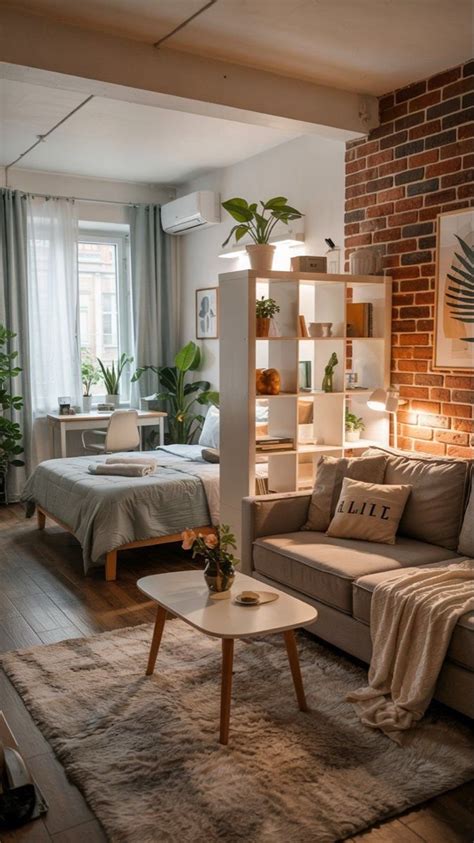
One of the most effective ways to separate a sleeping area from a living zone without building permanent walls is to let your furniture do the heavy lifting. Instead of pushing every couch and bookshelf flat against the perimeter walls, float your pieces toward the center of the room to establish natural traffic pathways. A low-profile modular sofa facing away from the bed instantly creates a distinct boundary for a living room nook.
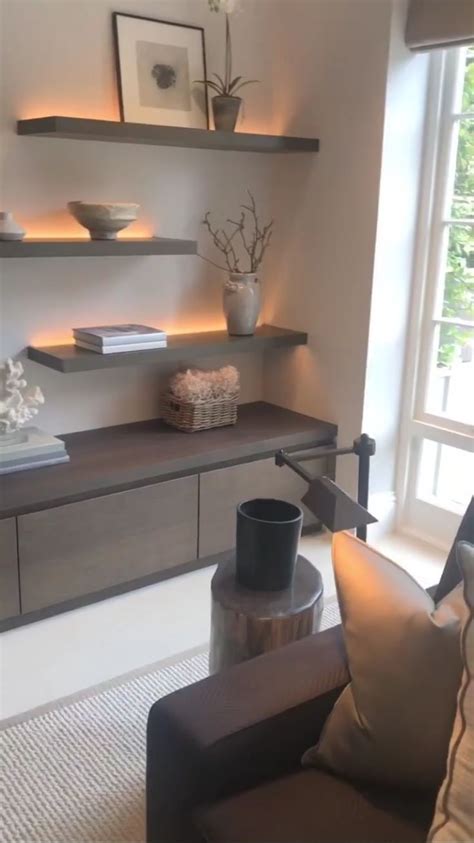
Open-backed shelving units serve as magnificent room dividers because they define separate functional spaces while allowing natural light to filter freely through the apartment. You can stock these shelves with a curated mix of books, decorative baskets, and plants, ensuring both sides of the divider look intentional and stylish. When selecting furniture for this purpose, always prioritize low or medium heights to prevent the center of the room from feeling blocked off or visually heavy.
Embrace Renter-Friendly Curtains and Track Systems
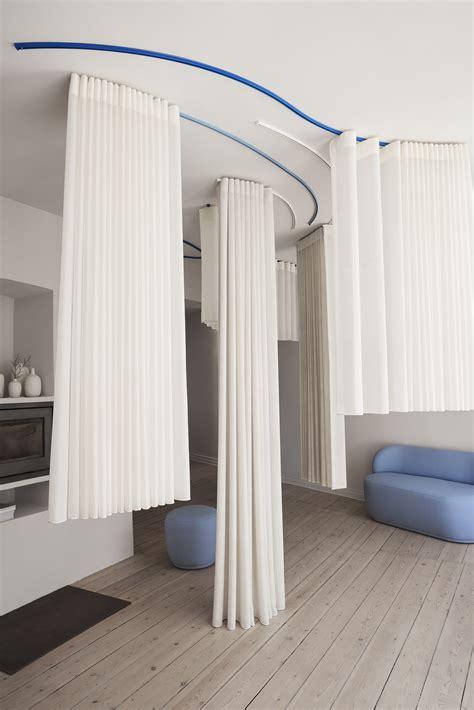
If you need maximum flexibility to completely conceal your bed when guests come over, ceiling-mounted curtain tracks offer a brilliant architectural solution. Unlike traditional curtain rods that require drilling heavy brackets into studs, many modern tension-based or adhesive-backed systems can be installed with minimal impact on walls and ceilings, making them ideal for apartment renters.
Choosing the right fabric is critical for maintaining an airy atmosphere when using textile dividers. Opt for lightweight linens, sheer cottons, or semi-opaque blends that provide privacy while still letting sunlight diffuse through the apartment interior. For a dramatic, high-end look, extend the track across the entire width of the room and mount it flush with the ceiling, which draws the eye upward and creates the illusion of higher ceilings.
Define Functional Zones Using Visual Cues
Physical barriers are not always necessary to make a studio apartment feel compartmentalized; sometimes, clever visual trickery is all you need to establish boundaries. Laying down distinct area rugs is a classic interior design technique that grounds specific zones, such as placing a plush textured rug beneath your bed and a completely different geometric rug under your seating area.
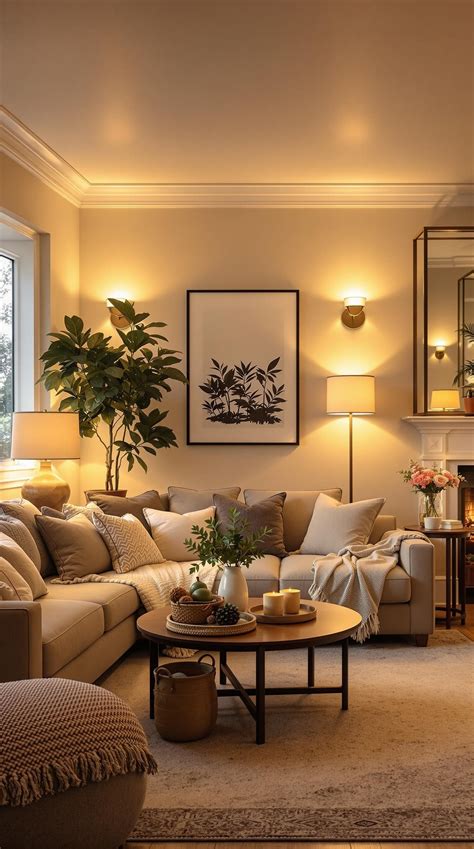
Layered lighting acts as another powerful psychological divider in an open-concept space. Instead of relying on a single overhead rental light fixture, introduce floor lamps, directional reading lights, and warm ambient table lamps to illuminate individual zones independently. Turning off the bright overhead lights and switching on a soft corner lamp over your dining nook immediately signals to your brain that you are transitioning from daytime productivity to evening relaxation.
Utilize Vertical Storage and Tension Dividers
When floor space is at an absolute premium, looking upward is the smartest design move you can make. Tension-pole shelving units and modular floor-to-ceiling posts wedge securely between the floor and ceiling without requiring any permanent screws or hardware, giving you sturdy vertical storage that acts as an instant wall.
These vertical systems allow you to mount floating desks, display shelving, or even a compact television mount on one side while keeping the reverse side clean and minimal. When planning a vertical division, always double-check weight limits and manufacturer installation guidelines, particularly if you live in an older building with uneven ceiling heights. Securing tall furniture safely prevents shifting and ensures your stylish partition remains completely stable for daily living.
Frequently Asked Questions
How can I divide a studio apartment without blocking natural light?
To keep your studio bright, avoid solid wooden partitions or tall opaque room dividers that trap light near the windows. Instead, rely on open-backed shelving units, ceiling-mounted sheer linen curtains, or glass-paned panels. Positioning these dividers parallel to the direction of incoming sunlight helps bounce light deeper into the core of your living space.
What are the best renter-friendly room dividers?
Renters should focus on non-permanent solutions that require minimal wall repair upon moving out. Excellent options include tension-mounted room divider rods, freestanding folding screens, heavy furniture like bookcases floated in the room, and tension-pole shelving systems that use pressure instead of screws.
How do I make a small studio apartment feel bigger while adding division?
Maintain a cohesive color palette throughout the entire apartment to keep the visual flow uninterrupted, even when zones are separated. Use mirrors strategically opposite windows to reflect light, keep furniture scaled appropriately for small footprints, and choose dividers that feature vertical lines or see-through designs to preserve open sightlines.